dailynewsnblog
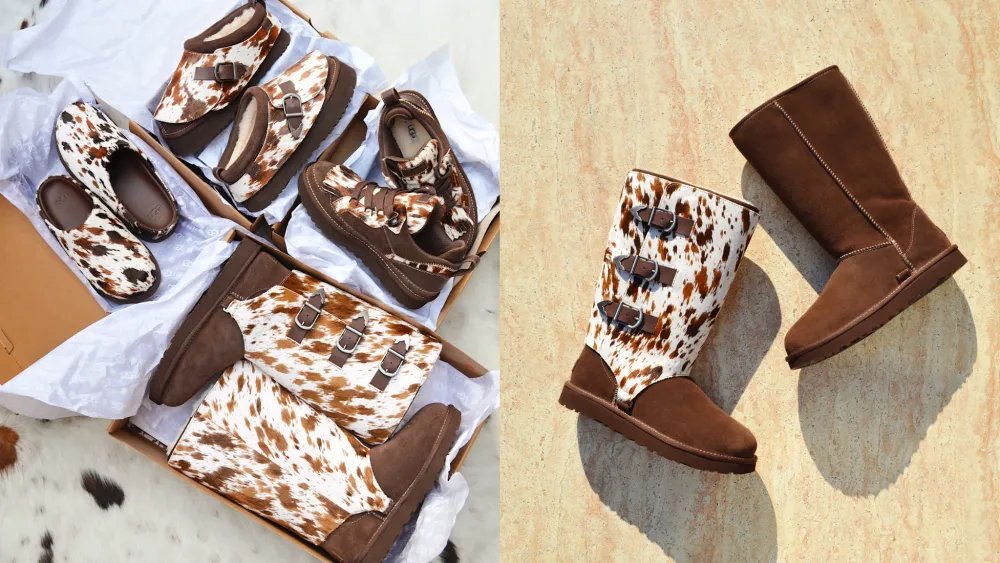
Will Deckers Brands‘ core Hoka and Ugg lines deliver revenue growth that will help it deliver second quarter earnings results that beat Wall Street’s earnings expectations? Analysts aren’t so sure.
Revenue growth at Hoka and Ugg slightly missed market expectations in the first quarter report, but still enough to help the Goleta, Calif.-based company beat expectations and allowed Deckers to keep its yearly guidance, as well as raise diluted earnings per share (EPS) guidance for the year to the range of $7.35 to $7.50. That range is above the previous forecasts of between $7.30 and $7.45.
Deckers is expected to at least post in-line second quarter EPS and reiterate its fiscal year 2027 range of $7.35 to $7.50.
Sam Poser at Williams Trading said he expects “few surprises” when second quarter results are released Thursday. He noted that fiscal year ’27 EPS guidance could be raised due in part to increased share buybacks. For the year, Hoka’s revenue is expected to increase low-double-digits and Ugg’s to rise mid-single digits.
The Williams Trading analyst said it is too early in the season to judge the Ugg business for the year. “Over 80 percent of Ugg’s annual DTC revenue, which reflects consumer demand, occurs in the back half of the fiscal year,” mostly from late November through mid-February,” he noted. For the second quarter, Ugg revenue could be up 5.8 percent.
Poser added that the Hoka business in the U.S. is stable and is likely to increase low-single-digit, led by DTC growth and double-digit international revenue growth. For the second quarter, he is expecting revenue to increase 8.9 percent. In addition, Hoka’s DTC revenue could be up 16 percent.
“We remain confident that Deckers’ track record of beating and raising guidance will continue,” he concluded.
Looking ahead, Poser said Hoka will lean into its key franchises, such as creating an Ultra version of a number of its key shoe groups for elite runners. One example is the Bondi Ultra, at $300, which is slated for June 2027. And he expects Ugg will sell through fall 2026 product at full price during its peak selling season, with newness driving holiday sales. Ugg’s strength will be led by the men’s Birch shoe and boot collection and the women’s western line of shoe, clogs and short boots.
UBS softlines analyst Jay Sole said his firm’s proprietary data suggest that trends for Hoka and Ugg over recent months have been softer than once thought. And while there’s strong international underlying demand for Hoka and Ugg, he raised the concern that inflationary pressures could weigh on consumer demand, resulting in softer U.S. DTC sales for both brands.
Jefferies’ apparel, footwear and textiles analyst Blake Anderson is concerned about El Niño headwinds on Ugg. “El Niño forecasts call for warmer temps and a wetter winter in the Northeast, which could pressure demand in this larger region,” he said, adding that even with product diversification into year-round categories could provide some offset, revenue remains highly exposed in the December period.
BMO’s Kelly Crago initiated coverage of Deckers with an “Underperform” rating due in part to Hoka’s maturing U.S. opportunity, slowing growth, and margin pressure. She also noted that growth has increasingly been reliant on stock buybacks. She too noted that a warmer fall/winter is an added risk to Ugg’s seasonal demand.
For Thursday’s report, she said to keep an eye on Hoka trends in U.S. DTC, which she said may have turned negative in the second quarter. Looking ahead, key issues to keep tabs on include intra-quarter point-of-sale trends for Ugg and Hoka, as well as any signs of elevated promotional or inventory levels in the key holiday period.
And for Ugg, Crago is cautious brand heat following years of growth from core styles such as the Tasman and Platform Mini. This is because management has highlighted non-core categories such as men’s and the Zora ballet flat as the “bigger drivers of growth in fiscal year ’27.”