dailynewsnblog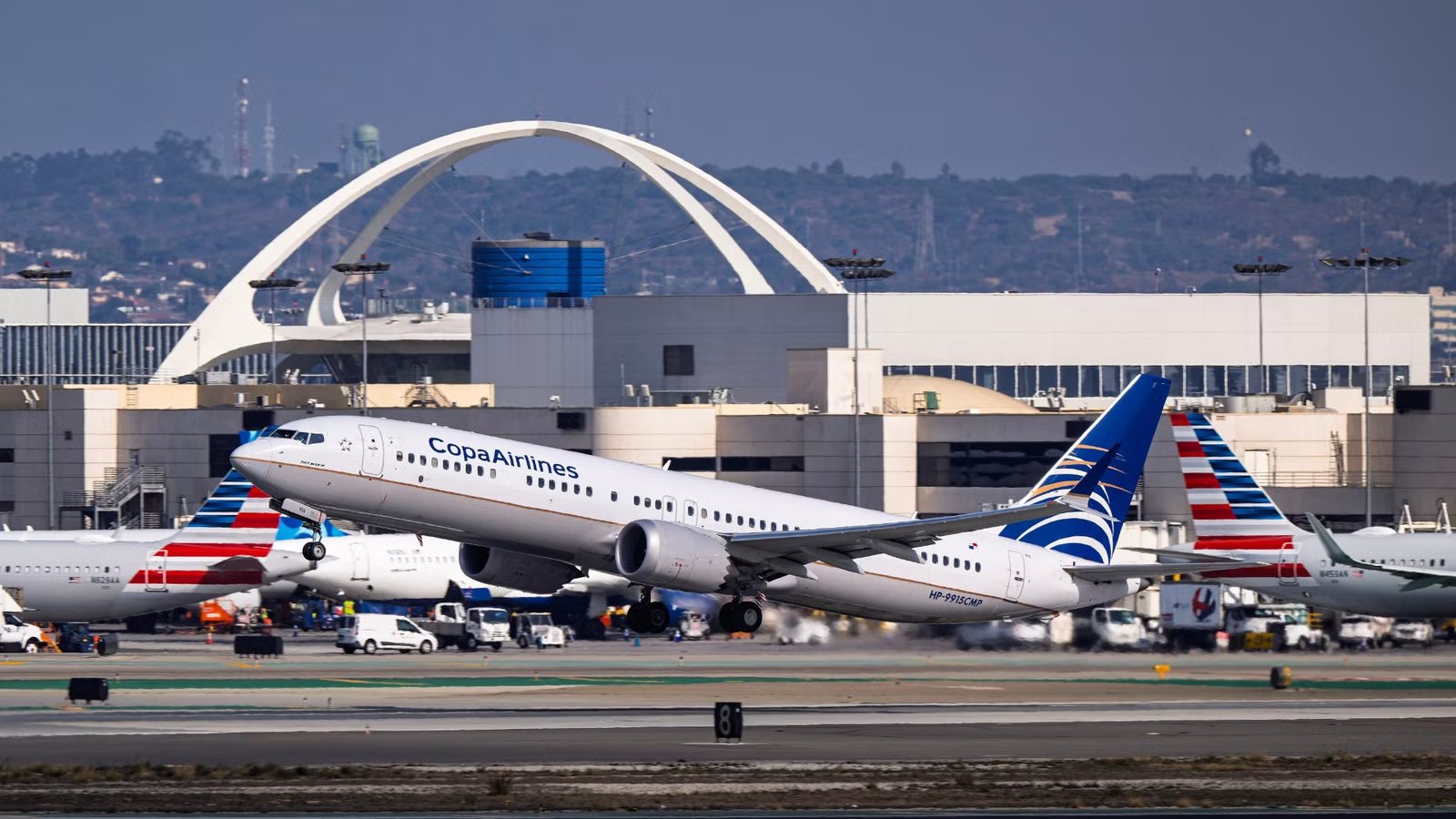
Copa Airlines is set to become the first airline in Latin America to offer Starlink WiFi on board and, at the same time, the first to charge most passengers for access to Starlink’s high-speed onboard internet, marking a significant shift in how the satellite-based service is offered. The Panama-based  Star Alliance member announced the rollout of Starlink across its fleet this week, with the first equipped aircraft already entering commercial service and the full installation expected by the first quarter of 2027.
The move is notable because every airline that has introduced Starlink so far has either offered the service completely free or made it complimentary through a free loyalty program. Copa’s new pricing strategy raises an important question for the aviation industry: could other airlines eventually decide to monetize one of passengers’ favorite new onboard amenities, like it was before the arrival of Starlink?
Copa’s New Connectivity Strategy

Copa Airlines announced that Starlink-equipped aircraft will provide passengers with high-speed, low-latency internet capable of supporting video streaming, cloud-based work applications, online gaming, messaging, and live sports throughout the flight. The first aircraft fitted with the system completed its inaugural service on July 4, beginning a fleet-wide rollout that will continue into early 2027.
However, unlike other Starlink airline partners, not everyone will receive complimentary access. Free WiFi will only be available to ConnectMiles PreferMember Gold, Platinum, and Presidential members, business class passengers, and customers who already subscribe to Starlink Residential or Starlink Roam services. Everyone else will have to purchase internet access through the onboard Starlink portal.
Diana Mizrachi-Kopel, Senior Director of Customer Experience at Copa Airlines, said in the statement:
“Introducing Starlink is another step in our commitment to continuously improving the travel experience for our customers through innovation, as Latin America’s most on-time airline, we are now also the region’s first airline to offer Starlink’s high-speed internet onboard our aircraft.”
Why The Decision Stands Out

Until now, Starlink has built a reputation for transforming in-flight connectivity while remaining free for passengers, as noted by One Mile At A Time. Airlines have used complimentary internet as a competitive advantage, particularly as travelers expect gate-to-gate connectivity comparable to what they receive on the ground. Copa’s decision, therefore, represents a significant departure from what has rapidly become the industry norm.
For Copa, the strategy may reflect a desire to balance the cost of installing and operating the new system while still rewarding premium customers and frequent flyers. Instead of offering universal free access straightaway, the airline is using Starlink as both a loyalty benefit and a potential source of ancillary revenue, an increasingly important income stream for many airlines.
The announcement also strengthens Copa’s position within Latin America. The airline has become the region’s first carrier to introduce Starlink connectivity, adding another selling point alongside its extensive Panama City hub and strong operational performance. As additional aircraft receive the new equipment over the coming months, more passengers across the Americas will gain access to the service.
Most Airlines Continue To Offer Starlink For Free

Copa’s approach remains the exception rather than the rule. Airlines, including Hawaiian Airlines,  Alaska Airlines,
  United Airlines,
  Emirates,
  Qatar Airways, airBaltic,
  British Airways, Virgin Atlantic, Lufthansa Group, and several others, have either already introduced or committed to introducing Starlink without charging passengers directly for access, according to Euronews. In many cases, passengers simply need to join the airline’s free loyalty program to connect.
The widespread availability of complimentary Starlink has helped accelerate adoption because the technology offers dramatically faster speeds and lower latency than traditional geostationary satellite systems. Passengers can typically browse the web, stream video, participate in video calls, and use cloud-based applications throughout the flight with minimal interruption, including over oceans and remote regions.
Whether Copa’s model becomes a broader industry trend remains uncertain. Many full-service airlines view free, high-speed WiFi as an essential customer benefit rather than a premium extra, particularly as modern passenger expectations continue to rise. However, if Copa demonstrates that travelers are willing to pay for Starlink while premium customers remain satisfied with complimentary access, other airlines may eventually consider introducing similar tiered pricing structures. For now, though, Copa stands alone as the first airline to place Starlink behind a paywall for most passengers.