dailynewsnblog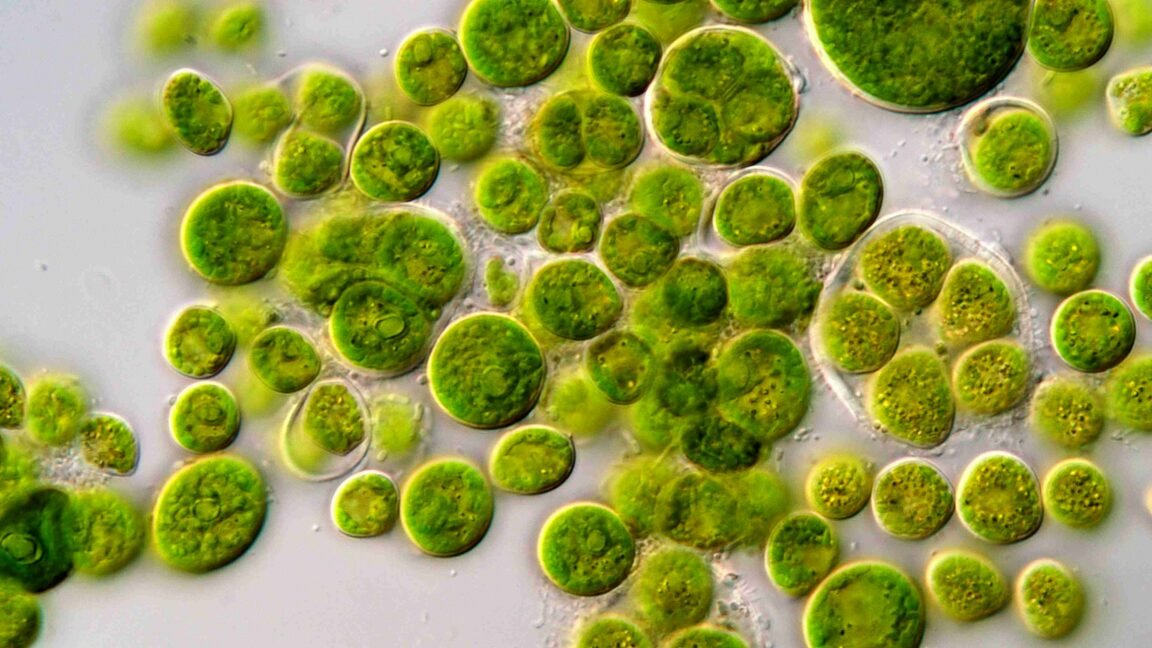
So if we want to find out what any of the multitudes of specialized nerve cells might be doing, the easiest way is to hijack this system: force the cell to send ion-based impulses when we tell it to, and see how the animal’s behavior changes.
The Nobel Committee notes that this idea was obvious enough that people tried several methods of doing so before developing optogenetics. But it turns out “the easiest way” did not mean “easy,” and most of these methods didn’t end up widely used because they involved some combination of needing to insert multiple genes, supplying the nerve cells with some very specific chemicals, or using lasers at an intensity that physically damaged the cells.
The ultimate solution, it turned out, was lurking in a single-celled algae called Chlamydomonas. The organism’s single cell is remarkably complicated, having two flagella that help it move around, and an eye spot that detects the light it moves toward. People had been studying the organism for quite some time as a model for basic biological processes.
This is where Hegemann, then working at Berlin’s Humboldt University, entered the picture. He and his coworkers managed to hook an electrode up to a Chlamydomonas and showed that exposing it to a flash of light resulted in a very rapid influx of ions, suggesting the light was triggering an ion channel to open. As other scientists started scanning the messenger RNAs made by Chlamydomonas, Hegemann spotted a couple of genes that were similar to a light-activated ion pump found in an archaeal species.
Suspecting these might be responsible for the ion fluxes in Chlamydomonas, Hegemann used RNA interference to block their activity. This did limit the flow of ions in response to light, clearly implicating these genes in the organism’s light sensing.