dailynewsnblog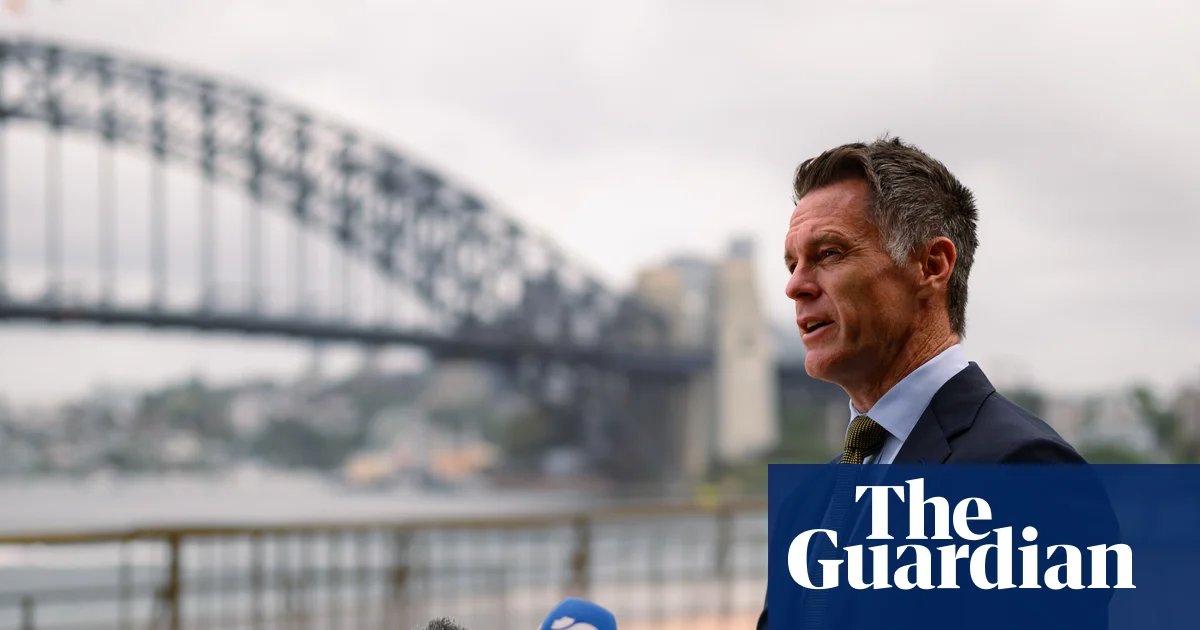
The New South Wales premier, Chris Minns, has indicated tough new laws to curtail regular protests in Sydney’s CBD and at major sites like the Sydney Harbour Bridge and the Opera House.
NSW has a system where protest organisers complete a form one, notifying police of a planned protest. Authorised protests provide protection from prosecution for offences such as obstructing pedestrians and traffic.
After the Bondi beach terrorist attack on 14 December, the NSW government rushed in new laws, allowing police to effectively ban all protests for rolling 14-day periods after a terrorist event declaration had been made.
Responding to a question from reporters on Monday on whether he planned to introduce a stricter approval process for protests, Minns said he didn’t know about an approval process, but indicated that his government had not finished making changes.
Sign up: AU Breaking News email
“I do believe we’re going to have to confront this idea that the centre of Sydney can be dominated weekend after weekend after weekend by the same protests,” he said. “People have got a right to protest, but other Australians have a right to enjoy the city, go to mass or go to church or go to synagogue through Hyde Park free from trying to navigate a protest every weekend.
“And if you’re the subject of that protest, it’s particularly confronting and quite divisive,” he said.
“So I’m not going to announce anything today on Australia Day, but I’m certainly not going to suggest to you all that that’s the end of our proposed changes.”
Minns has said the protest changes brought in after the Bondi attack was necessary to ensure social cohesion, but has also foreshadowed more changes.
On Monday he said he still believed it was necessary for NSW to ban the chanting of particular slogans at protests.
Minns has singled out “globalise the intifada” as one phrase he would like banned, and a state parliamentary inquiry has been asked to review hate speech with a specific requirement to consider the phrase.
Intifada, an Arabic word for uprising or “shaking off”, is used by pro-Palestine supporters in reference to uprisings against Israel in 1987 and 2000. Members of the Jewish community have said it is a call to violence against Jews.
“We’ll be looking at the parliamentary committee’s report to government about proposed changes, and again, similar to protest law changes, I’m not ruling a line in the sand or suggesting that it’s the end of it,” Minns said.
Minns noted that Australia doesn’t have freedom of speech laws like the US that could put a brake on some of the measures he has flagged. A legal challenge has been launched against NSW’s laws restricting protests.
“I think that if you’ve got a country, a multicultural country, people from around the world, races and religions, expecting them to live together, not just in tolerance, but with a shared mission, there’s got to be a recognition that you’ve got different rules for the road in a place like Australia than you do in the US,” he said.
The NSW government is also deciding whether to allow the Jewish community’s security arm, Community Security Group (CSG), to be allowed to carry weapons outside premises owned by Jewish organisations.