dailynewsnblog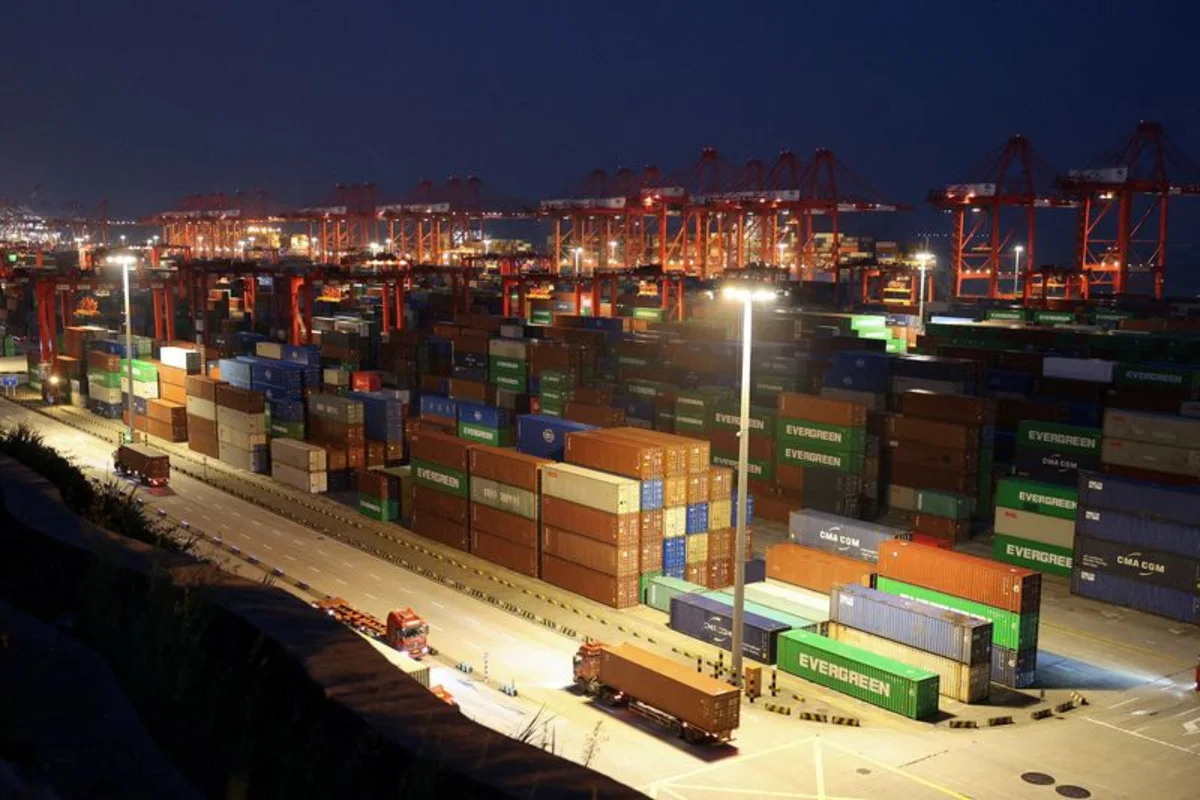
BEIJING, July 13 (Reuters) – China’s exports likely grew at a slightly slower but still-solid pace in June, as firms accelerated shipments to the U.S. ahead of possible new tariffs, rode the AI boom, and competed aggressively on prices to win over cost-conscious consumers.
Exports from the world’s second-largest economy are forecast to have risen 18.2% year-on-year in dollar terms, according to 20 economists in a Reuters poll, cooling from 19.4% in May.
Global AI investment is providing a critical buffer for China’s $20 trillion economy, helping manufacturers withstand mounting pressures from Middle East conflict-related disruptions and a prolonged property downturn.
Imports are expected to have risen 24% year-on-year, slowing from 27.4%, with South Korea’s export figures – a proxy for Chinese imports – suggesting demand was driven by purchases of semiconductors and other components for technology products rather than a wider recovery in domestic demand.
Separate manufacturing activity data for June, released late last month, showed overseas demand was starting to recover, but factory-gate prices continued to fall as companies cut prices to win business from overseas customers squeezed by higher energy costs linked to the Iran conflict.
Chinese exporters also got a boost as U.S. retailers brought forward orders by four to six weeks to stock up for Black Friday and Christmas sales ahead of expected tariff hikes later this year. However, uncertainty remains high after U.S. President Donald Trump’s May visit to Beijing failed to deliver the breakthroughs many had hoped for.
Economists were split on China’s export performance last month. BNP Paribas and Mizuho Securities both forecast a 20% rise in exports, maintaining the strong growth seen over the first half of the year. Conversely, Chinese respondents were more cautious, with China Industrial Securities and Shanghai Securities returning the lowest readings of just 12%.
Exports helped China outperform expectations in the first quarter, but the economy has since lost steam, reinforcing concerns that sluggish domestic demand leaves growth increasingly exposed to any softening in external markets and bolstering the argument for further policy support.
China will publish its GDP figure for the second quarter on Wednesday. The government has set a growth target of between 4.5% and 5%.
Last month’s trade data highlighted a key weakness: while demand for semiconductors remained strong, most other Chinese exports saw little growth.