dailynewsnblog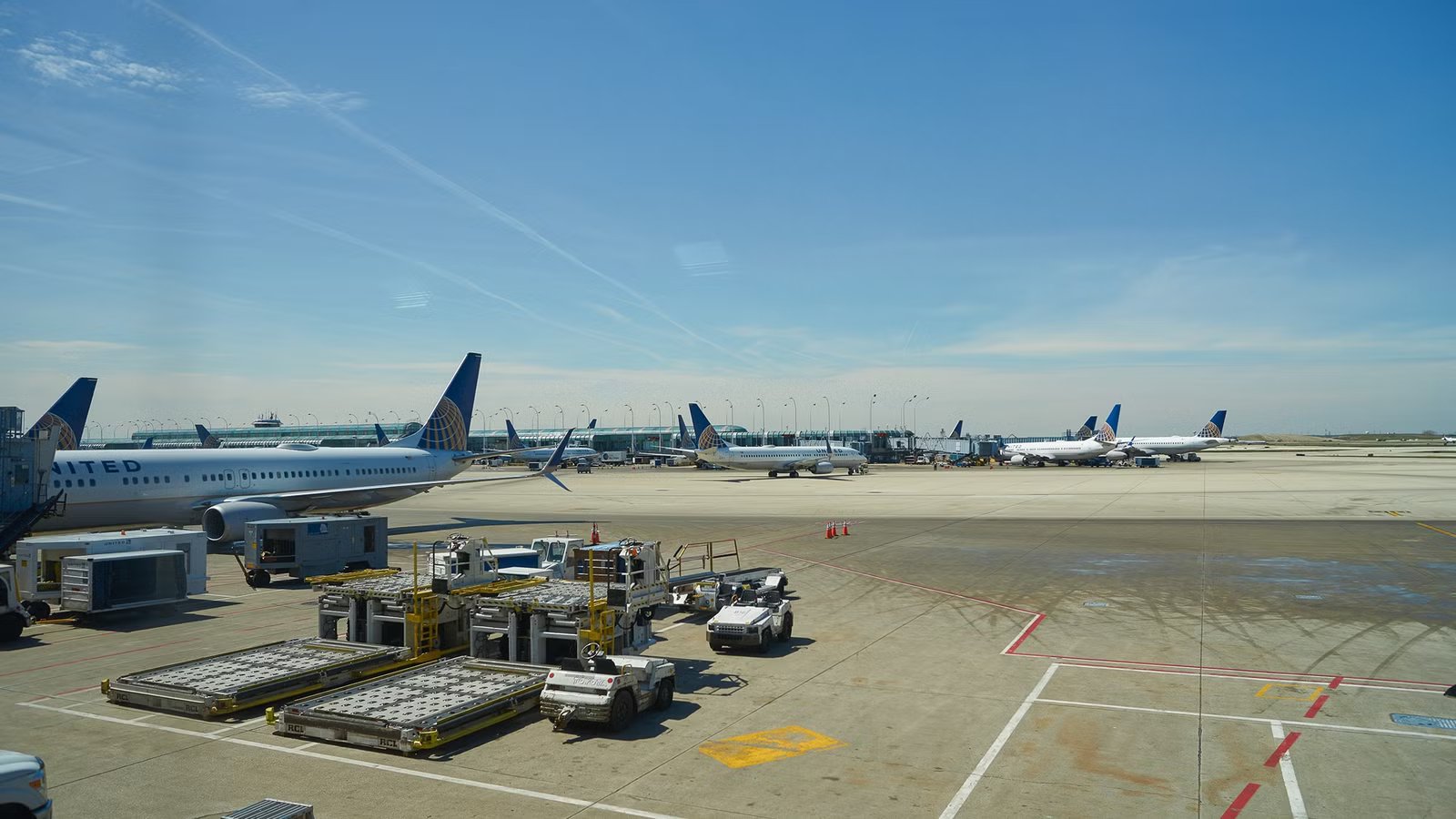
The Federal Aviation Administration (FAA) has extended the flight cap at  Chicago O’Hare International Airport (ORD) for another 12 months, keeping the airport’s daily operations limited to 2,708 arrivals and departures through October 30, 2027. The order — which was originally set to expire on October 24 this year — was imposed in April after
  United Airlines and
  American Airlines submitted summer schedules that would have pushed the airport well beyond its operational limits.
The two carriers have been engaged in a high-profile “turf war” at ORD in recent years, with the new extension effectively freezing the race between American and United until late 2027. The airport is also undertaking significant construction work during this period, which will impact airline operations.
FAA Extends Chicago O’Hare Flight Cap Until Late 2027

The country’s busiest airport (as measured by annual flight movements) will continue to limit daily operations to 2,708 arrivals and departures in order to maintain safe and reliable operations. The FAA’s order cited “construction projects and adjustments on the airfield” as persisting through Summer 2027, making the cap necessary for a further 12 months.
O’Hare is in the midst of its multibillion-dollar ‘ORDNext’ modernization program, which includes major terminal and airfield works, such as the new O’Hare Global Terminal to replace Terminal 2. The FAA has also reserved the right to review future schedule submissions, showing it is prepared to intervene again should American and United resume their scheduling arms race. The FAA stated,
“FAA finds that significant delay and operational disruption would occur at ORD if the ORD Order were to expire as originally scheduled.”
American And United Growth Plans On Ice

O’Hare’s two dominant carriers — American and United — have been locked in an escalating battle for market share. The airport allocates gates based on how much each airline flew the previous year, a model known as ‘use-it-or-lose-it.’ This led both carriers to plan major capacity increases this summer, ultimately forcing the FAA to intervene and impose its flight cap.
The current 2,708-flight cap is a reduction of more than 370 daily movements from the 3,080 that had been planned on peak days this summer, which represented a 14.9% increase over summer 2025. The FAA concluded that these schedules were beyond what O’Hare could safely handle, blaming “unreasonable schedule submissions from carriers” for forcing its intervention.
The FAA has previously noted that fewer than 60% of arrivals and departures were on time at O’Hare during summer 2025. And this summer, even with the flight cap in place, the airport has endured a difficult period marked by thunderstorms and lengthy taxi times. In fact, O’Hare currently ranks as the worst airport in the US for taxiing times, with a gate-to-takeoff average of over 28 minutes and post-landing taxi averages of over 18 minutes.
Both Airlines Welcome The Extension

American and United have both publicly approved of the flight cap extension. American called the move a “prudent decision” that would “help maintain operational stability, improve reliability, reduce delays, and support a more predictable travel experience,” while United said the order would help O’Hare maintain reliability.
United had initially criticized the FAA’s original order for its “severe prejudice,” claiming it was based on each carrier’s summer 2025 schedule rather than its planned 2026 schedule. United remains the biggest airline at O’Hare with a market share of over 45%, and has gained a total of two gates for the upcoming Winter season compared to last year.
This week, American celebrated regaining three O’Hare gates after losing ground to United last year. Having invested heavily in restoring capacity at ORD following its significant cuts over the pandemic, American will take up the three gates this October after it lost four gates last year. Additionally, it acquired two gates previously used by defunct carrier Spirit Airlines.