dailynewsnblog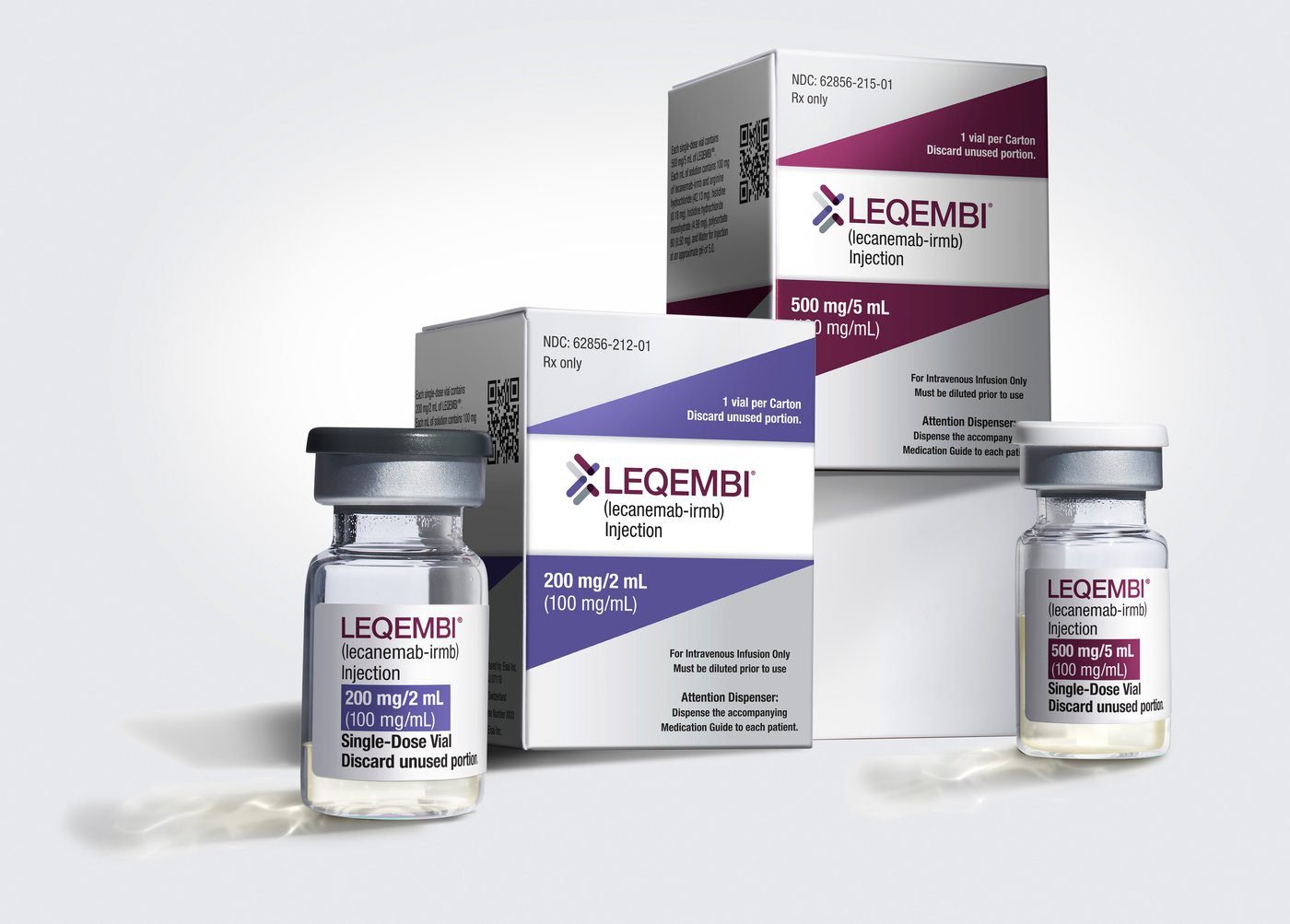
TORONTO — Canada’s Drug Agency is recommending that public drug plans pay for a treatment shown to slow the progression of early-stage Alzheimer’s disease if patients meet certain conditions.
Lecanemab is an antibody that targets the buildup of amyloid plaque in the brain, which is believed to be an underlying cause of the disease.
Health Canada approved it last October, but Canada’s drug agency recommended against publicly funding it in February due to concerns about effectiveness and possible side effects of brain swelling or bleeding.
But after reconsidering at the request of the drug’s manufacturer, Eisai, the agency’s expert committee found it may have underestimated lecanemab’s “clinical meaningfulness.”
In an updated recommendation released Thursday, the drug agency says it recognizes patients with early Alzheimer’s disease “are faced with a progressive and ultimately debilitating condition for which there are limited treatment options.”
The agency says eligible patients must have only mild cognitive impairment, have amyloid protein confirmed by a brain scan or cerebrospinal fluid analysis and get regular MRI’s to check for any signs of brain swelling or bleeding.
“The committee discussed patient autonomy in making informed decisions about treatment in consultation with their health-care team regarding the potential benefits and risks,” the recommendation says.
If a patient’s condition worsens from mild to moderate dementia, the drug should no longer be covered, it says. Studies have only shown lecanemab to be effective in early-stage Alzheimer’s disease.
Alzheimer’s societies in Canada have been urging the drug agency and provincial governments to publicly fund lecanemab, also known by its brand name, Leqembi.
They say the drug can extend the period of better cognitive function and give patients more quality time with loved ones before their dementia progresses.
Some dementia experts have said that the possible side effects of brain swelling or bleeding are usually minor and don’t cause significant symptoms even though they’re visible on MRI scans.
According to the Canadian Consortium on Neurodegeneration in Aging, the cost of lecanemab is about $32,000 per year.
It is given intravenously every two or four weeks, according to the consortium’s website.
This report by The Canadian Press was first published July 16, 2026.
Canadian Press health coverage receives support through a partnership with the Canadian Medical Association. CP is solely responsible for this content.
Nicole Ireland, The Canadian Press