dailynewsnblog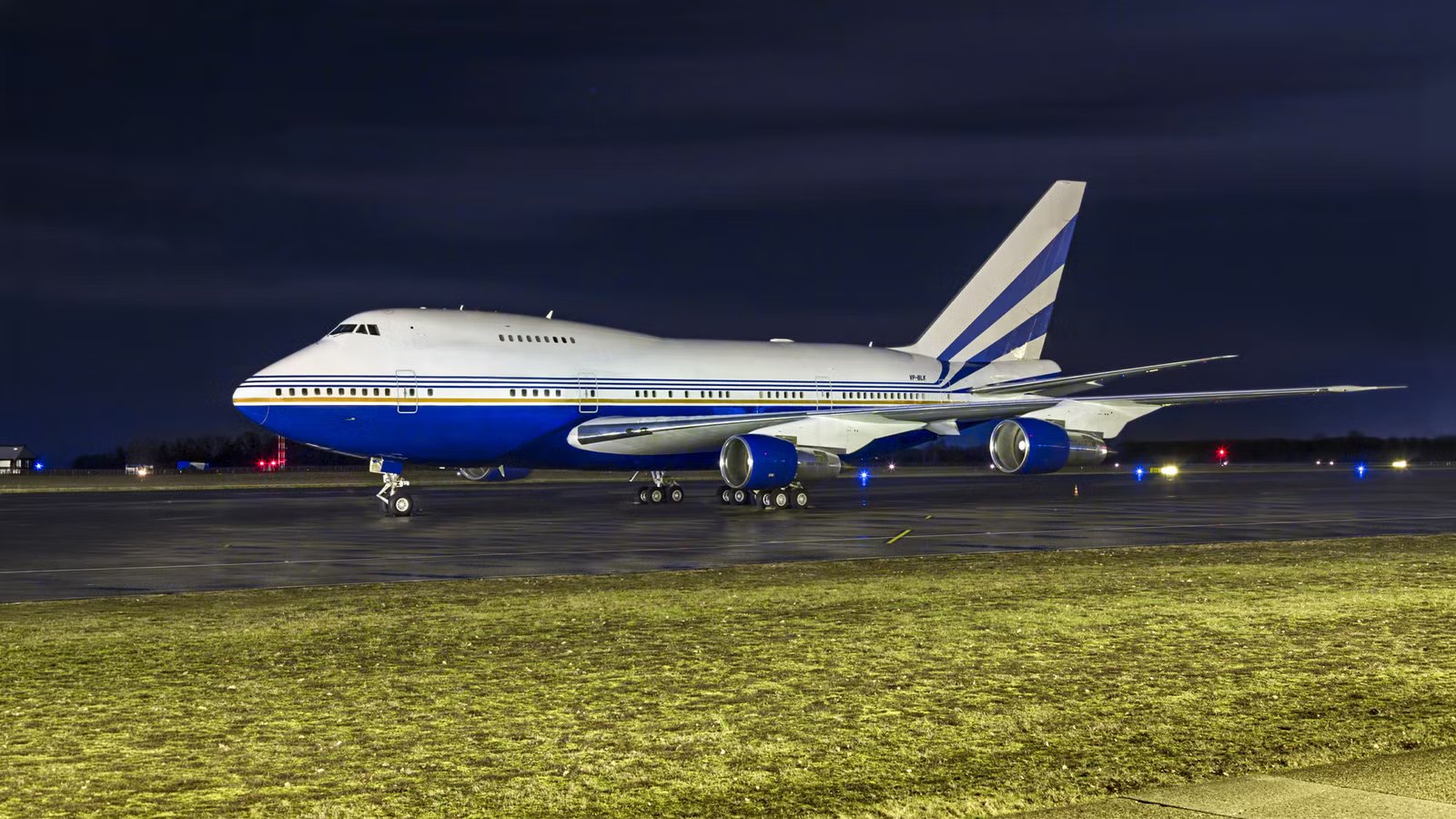
 Boeing came within a single aircraft of making the Boeing 747SP‘s numbers work, and then discovered that selling that aircraft was no longer the real problem. The short-body jumbo had been designed to make exceptionally long, relatively thin routes viable, but by the time its production run was nearing its end, the economics of doing that with four engines had begun to change dramatically.
So how did the ambitious long-range Boeing 747 go from a program that needed 45 aircraft to break even to one that stopped at 44, only for the production line to reopen five years later? The answer lies in a chain of decisions involving Boeing, the airlines that wanted more range, rising fuel prices, and a new generation of twin-engine widebodies that was about to redefine what long-haul efficiency meant.
Why Boeing Built A Shrunken 747 For The World’s Longest Routes

According to 747sp.com, Boeing originally designated the aircraft the 747SB, for “short body,” an internal response to airlines asking for a four-engine widebody that could fly nonstop on routes too thin to fill a standard 747 but too long for the twin-aisle jets of the day.
Pan Am wanted nonstop service across the Pacific and into the Middle Eastern services, while Qantaswas interested in an aircraft capable of tackling its longest “kangaroo routes” without a fuel stop. Rather than build a completely new jet to compete directly with the McDonnell Douglas DC-10 and Lockheed L-1011 TriStar, Boeing shortened the 747.
The shortening was substantial: Boeing cut roughly 48 feet, 4 inches (14.7 meters) out of the fuselage, according to 747sp.com, which, combined with a lighter structure and a taller vertical stabilizer, reduced the empty weight by around 45,000 pounds (20,400 kg) compared to a 747-200. Lighter and shorter meant the same four engines could push the aircraft higher, faster, and farther on a full tank, without the twin-engine range restrictions that would later define ETOPS.
On that basis, Boeing projected a total market of 214 aircraft and set an internal break-even point at 45 airframes, according to readyfortakeoffbook.com, a target that assumed steady demand for exactly the kind of route the 747SP was built to fly. That target was the number Boeing’s finance department needed to hit before the 747SP stopped being a bet and started being a business. So how close did the actual production run come to clearing it?
Why Boeing Stopped At 44

Boeing built and delivered 44 747SPs between 1976 and 1982 before shutting the line down. The final airframe of that initial run, registered YI-ALM, was delivered to Iraqi Airways on August 30, 1982, according to aussieairliners.org. On paper, Boeing had come within a single sale of a program that broke even. In practice, the order book had run dry, and there was no 45th customer waiting in line. The 747SP simply stopped being built, a rare instance of a Boeing jet closing out mid-target rather than mid-demand.
It’s worth putting that in context against the aircraft’s own operating costs. Even decades later, running a four-engine widebody like the 747 remains an expensive proposition, as we have detailed in our breakdown of the true cost of flying a Boeing 747 as a private jet, where acquisition and refurbishment costs for surviving jumbo jets can run into the hundreds of millions of dollars. In 1982, that same math worked against Boeing from the other direction: with fuel prices elevated and the four-engine niche shrinking, finding one more airline willing to commit to a 45th SP was harder than actually building it.
Boeing had missed its own number by exactly one sale, but the shortfall wasn’t really about salesmanship. Something bigger had already turned the entire “long and thin “thesis upside down before the ink dried on that 44th delivery.
Why Economics Collapsed Right As Boeing Reached The Finish Line

The 747SP was conceived in 1973, the same year the OPEC oil embargo roughly quadrupled the price of jet fuel almost overnight. That single event reshaped the economics of every four-engine aircraft on the market, but it hit the 747SP hardest of all: a jet designed specifically to fly long, thin routes with relatively few passengers, burning fuel with all its four engines. The DC-10 and the L-1011, the exact competitors the 747SP was built to beat, had one engine less each, giving them a structural fuel-burn advantage that no amount of weight-saving on the 747’s shortened fuselage could fully cancel out.
Then came the twins. Boeing’s own 767, which entered service in 1982, the same year in which the 747SP line closed, offered airlines a widebody that could cover many of the same long, thin routes on two engines instead of four. Once ETOPS certification began extending twin-engine range over water later in the decade, the entire rationale for a specialized four-engine long-range jet started to look outdated. This shift is documented in coverage of the 747SP’s retirement, such as jalopnik.com’s account of the aircraft’s final years. The 747-400, introduced in 1989 with redesigned wing and winglets, then out-ranged the SP outright while carrying far more passengers, meaning Boeing’s own newer jumbo made its shrunken predecessor redundant from within the same product line.
If the economics were already dead by the early 1980s, that raises an obvious question: why would Boeing bother reopening a shut-down production line five years later, just to build one more of an aircraft that nobody wanted anymore?
The Odd Story Behind The Airplane That Should Have Balanced The Books

In 1987, Boeing did exactly that. The government of Abu Dhabi placed a special order for one additional 747SP as a VIP transport, and Boeing briefly reactivated the closed production line to build it, according to boeing-747.com. That 45th airframe first flew on March 31, 1987, nearly five years after the shutdown of the line following the Iraqi Airways delivery. On a spreadsheet, this was the sale that finally hit Boeing’s break-even target. In reality, it was a one-off government order built years after the commercial rationale for the aircraft had already disappeared.
Catch what other flight trackers miss
Emergency squawks, holds, NOTAMs — live signals, no signup.
Open tracker
Catch what other flight trackers miss
Emergency squawks, holds, NOTAMs — live signals, no signup.
Open tracker
The irony is layered: by the time that the final SP rolled out of Everett, Boeing was already deep into developing the 747-400, which would fly farther, carry more passengers, and enter service just two years later. As we have already written, the standard 747 line has proven remarkably durable; the aircraft is still finding new life in cargo and VIP roles more than half a century after its first flight, but the SP variant specifically never got that second act.
Its 45th unit wasn’t proof the business case worked: it was a government client paying for exclusivity Boeing was happy to sell. The surviving fleet of the 747SP is scattered into some of the strangest second careers of any Boeing widebody. Where did they end up?
Where The Surviving 747SP Are Flying Today

Most of the 45 747SPs built didn’t survive long past their original airlines. Pan Am, the largest operator, folded in 1991, and several of its jets passed through smaller carriers before being scrapped. Iran Air kept flying the type longer than almost anyone else, operating its last 747SP commercially until 2016, more than 30 years after the line closed. By the mid-2020s, only a handful of the original 45 remained airworthy, and none were in scheduled passenger service. What’s left of the fleet today says as much about the aircraft’s unusual shape as it does about its unusual production history.
Today, according to flugrevue.de, only two 747SPs remain in active service, both operated by Pratt & Whitney Canada and registered as C-FPAW and C-GTFF, serving as flying testbeds for new jet engines, using the SP’s airframe to carry a fifth experimental engine mounted under the fuselage. NASA operated the most famous SP of all: SOFIA, a heavily modified 747SP that carried an 8-foot, 11-inch (2.7-meter) infrared telescope through a custom door cut into the rear fuselage. According to NASA, SOFIA completed 921 science flights before its final mission on September 29, 2022, when NASA retired the program, citing high operating costs.
A program that missed its own break-even by one airframe left behind two engine testbeds and a retired telescope plane, an unusual legacy for a jet that was, years ahead of its time, chasing exactly the kind of route economics the industry is only now making profitable.
Why A Program That Missed Its Own Target Still Shapes Today’s Ultra-Long-Haul Race

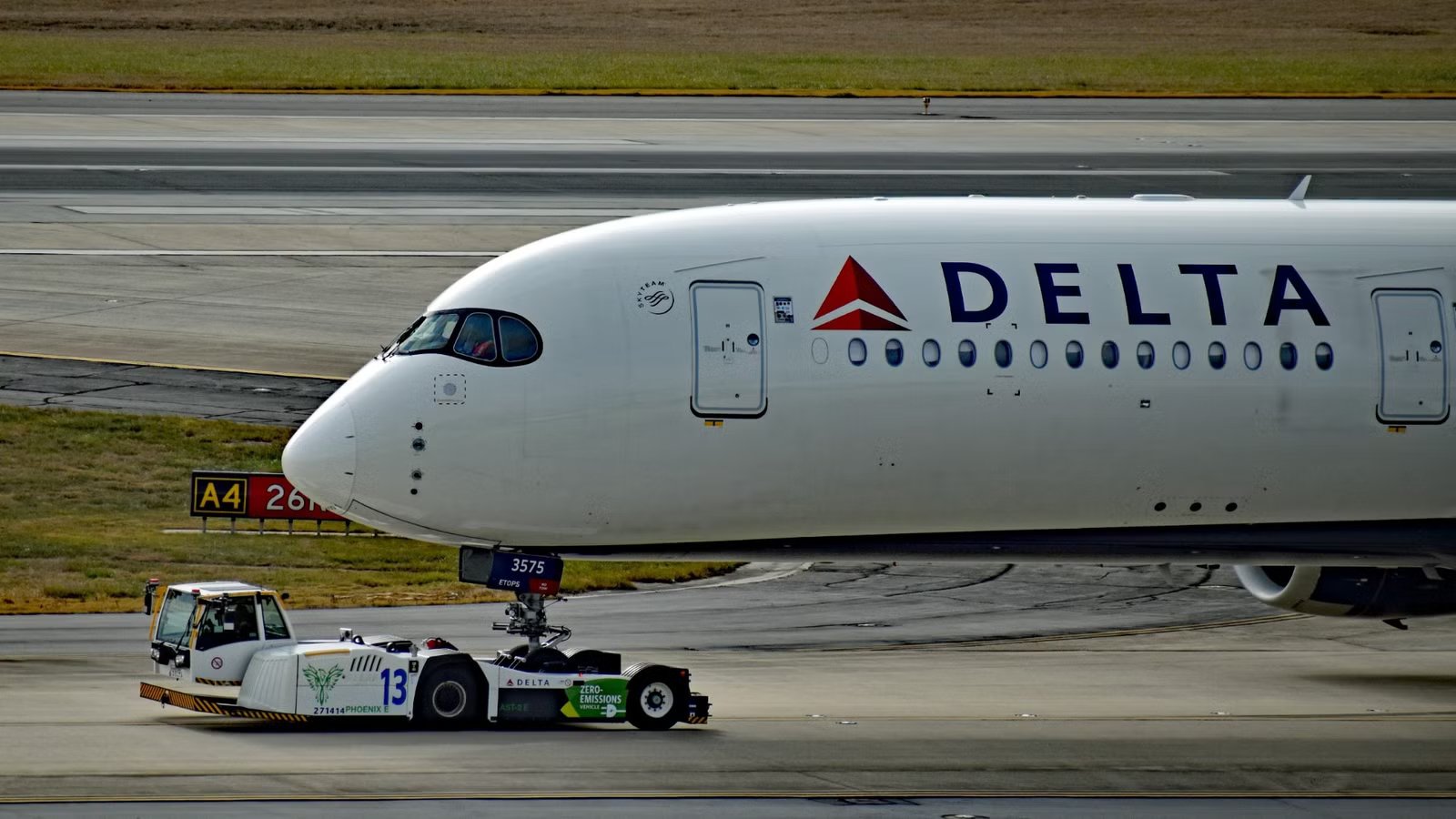
The 747SP’s core idea was simple: a purpose-built jet flying long, thin routes nonstop, at the edge of what the era’s engines could manage, and that didn’t disappear when the production line closed for good in 1987. It resurfaced almost identically in today’s ultra-long-haul race, just with two engines instead of four and composite structures instead of aluminum. As Simple Flying has covered in another article, the Airbus A350 has become the default answer for airlines chasing routes stretching past the 16-hour mark, a mission that is functionally the same one Boeing tried to solve with the SP nearly 50 years earlier.
The difference this time is that technology has caught up with the thesis. Twin-engine efficiency, composite airframes, and mature ETOPS certification now let aircraft like the Airbus A350-900ULR, and eventually the Boeing 777-8, fly the same long, thin missions the 747SP was built for, profitably and without needing four engines to do it.
Boeing effectively proved the demand for ultra-long-range, point-to-point flying years before the airframe technology existed to make it pay. The 747SP wasn’t a failed idea; it simply arrived roughly 30 years before its own economics did. Whether that vindicates the SP as ahead of its time, or simply confirms that Boeing picked the wrong decade for a four-engine version of the same bet, is a question the surviving testbeds can no longer answer.