dailynewsnblog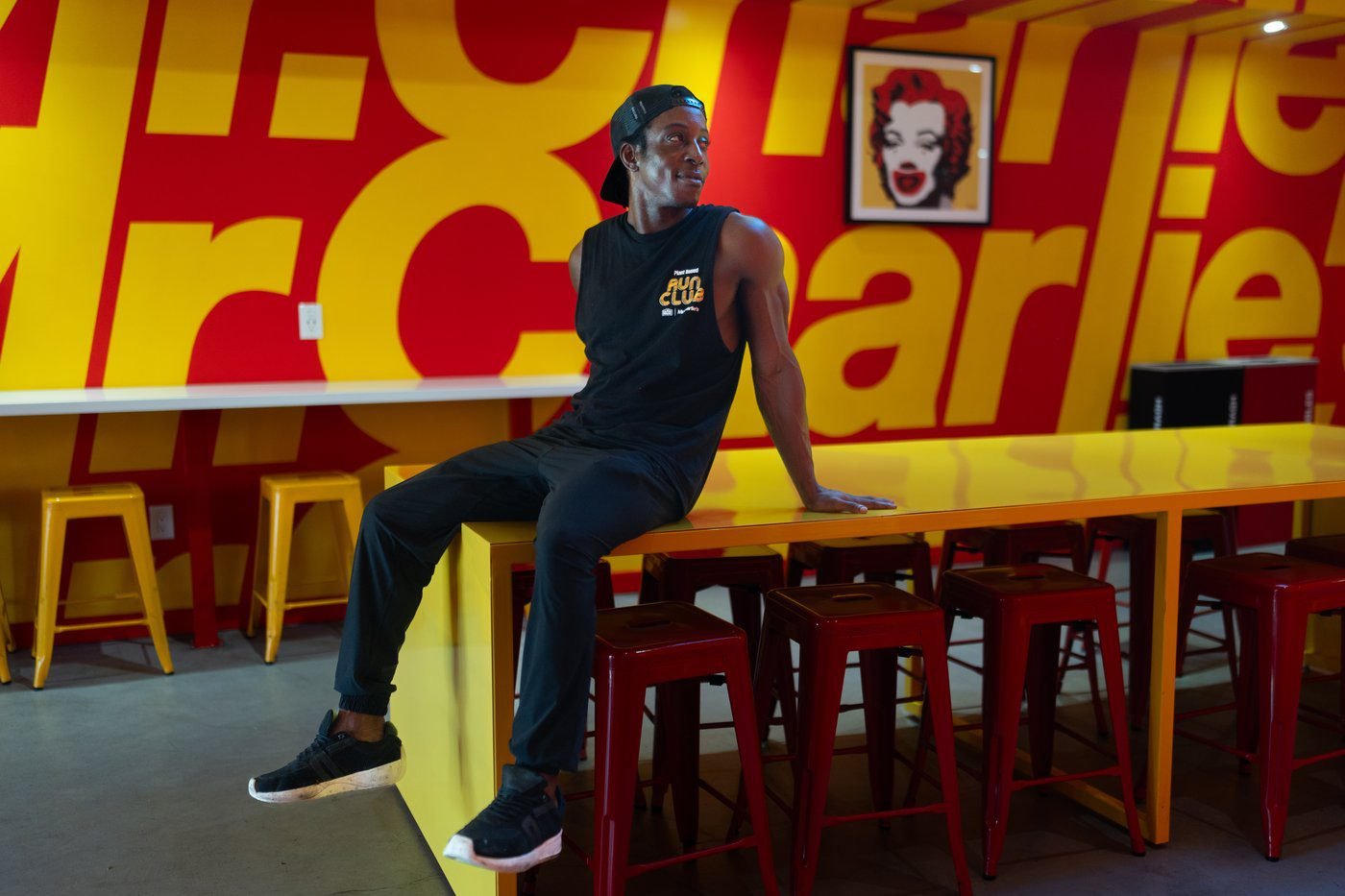
SACRAMENTO, Calif. (AP) — Weeks before voting ended in California’s primary for governor, Los Angeles-based influencer Shaka Smith took to Instagram to tell his more than 700,000 followers whom he was voting for and why.
“Healthcare shouldn’t bankrupt you, housing should not feel impossible, polluters shouldn’t pass their bill to us and artists should not be replaced by AI,” Smith said. “That’s why I’m supporting Tom Steyer for governor.”
But Smith started the video with a disclaimer: “This is an ad, and honestly, I wish more political content said that first.” His caption specified that he was paid by Steyer’s campaign.
California is one of two states, along with Texas, that have passed policies requiring content creators to say if they’ve been paid by a political campaign to post, and the Golden State is considering cracking down by fining people who don’t.
Campaigns have long worked with celebrities and major influencers to win over voters, but now they are teaming up with smaller creators — sometimes with fewer than 100,000 followers — to reach more tailored audiences. That has sparked debates about whether disclosure rules for political advertisements should apply to content creators, who are expected to play prominent roles in the upcoming midterms and the 2028 presidential election.
“If you’re running for president and you are not currently trying to court some of these people or lining up your own people to act as surrogates for you, you’re already behind,” said Mike Nellis, a Democratic strategist who worked for Kamala Harris’ presidential campaign.
Campaigns tap creators to spread their message
Questions about transparency have been fueled by high-profile instances of influencers making content intended to change minds or votes without disclosing they were paid for it.
In 2022, the campaign of then-Senate candidate John Fetterman paid Nicole “Snooki” Polizzi of “Jersey Shore” to record a video teasing his GOP rival for leaving New Jersey before announcing his run in Pennsylvania. In 2023, content creators were paid by an influencer marketing agency with conservative ties to defend Texas Attorney General Ken Paxton, a Republican, after he was impeached for alleged bribery and other accusations of misconduct, according to the Texas Tribune. The payments weren’t clearly disclosed in either case.
Steyer, a Democratic billionaire who spent more than $215 million of his own money in his unsuccessful bid for governor, took fire from rivals for paying content creators. He wasn’t the only hopeful in the race paying influencers, but he faced much of the blowback since he’d already been accused of trying to buy the election. Many of the creators who worked with Steyer’s campaign disclosed that they were paid, but the state’s campaign finance watchdog is investigating several other instances in which creators allegedly didn’t.
There are no federal disclosure rules
California Sen. Adam Schiff introduced federal legislation last month, but it hasn’t received a vote yet. Some outside groups are urging the Federal Election Commission to pass its own rule.
California’s law requiring disclosure, passed in 2023, is difficult to enforce. The state’s campaign watchdog can seek a court order compelling an influencer to disclose that they were paid, but that can take months.
That prompted Democratic Assemblymember Marc Berman to write a new bill to penalize content creators and political committees if the creator fails to state they were compensated. The bill would give the state’s Fair Political Practices Commission the power to fine influencers and committees if they are found to have violated the law, allowing the commission to bypass the court process. They could face fines of up to $5,000 per violation, according to the commission.
“Voters should have a right to know whether or not campaigns are paying for the messaging that they’re seeing,” Berman said.
Texas’ campaign watchdog passed a rule in 2024 requiring content creators to include disclaimers when they are paid for political advertisements, and the New York Legislature is considering a similar requirement. Other disclosure bills failed in recent years in Utah and Georgia.
Influencer says his ad had an impact
Smith, the L.A. influencer, hadn’t committed to a candidate for governor when a trusted friend told him to look into Steyer. That friend had been paid to post about Steyer.
Smith liked Steyer’s promise to increase taxes on billionaires and his refusal to accept donations from corporate political action committees.
He ended up doing two paid ads, both of which included compensation disclaimers that the Steyer campaign told him were a requirement.
Smith wouldn’t say exactly how much the campaign paid him, but he said it was in the thousands of dollars. He thinks the posts had an impact on his followers, with only a few detractors pushing back.
“They kind of trust my voice,” he said of his audience. “They knew that if I’m saying it, it’s at least something they should look into.”
Creators respond to proposed policy changes
Dustin Torreverde, a content creator in Southern California who hasn’t been paid by a political campaign for social media posts, said it’s important for influencers to be transparent with their audiences. But the bill could pose an unfair burden on creators who are just trying to make a living, he said.
“A lot of us are very small creators,” he said. “So if we were to get penalized and we have to get lawyers, stuff like that, it’s going to be very difficult for us.”
Adina Flores, a libertarian content creator in Northern California who votes for both parties, said influencers should have to disclose if they are paid and she generally supports penalties. She worries that some people may take money to post political content without doing a “deep dive into the candidate to make sure that’s somebody they should support.”
Saurav Ghosh, a lawyer with the Campaign Legal Center, a nonprofit focused on protecting U.S. democracy, hopes disclosure requirements passed by states will lead to federal rules.
“Transparency is one of the most important pillars of our election system,” he said.
Sophie Austin, The Associated Press