dailynewsnblog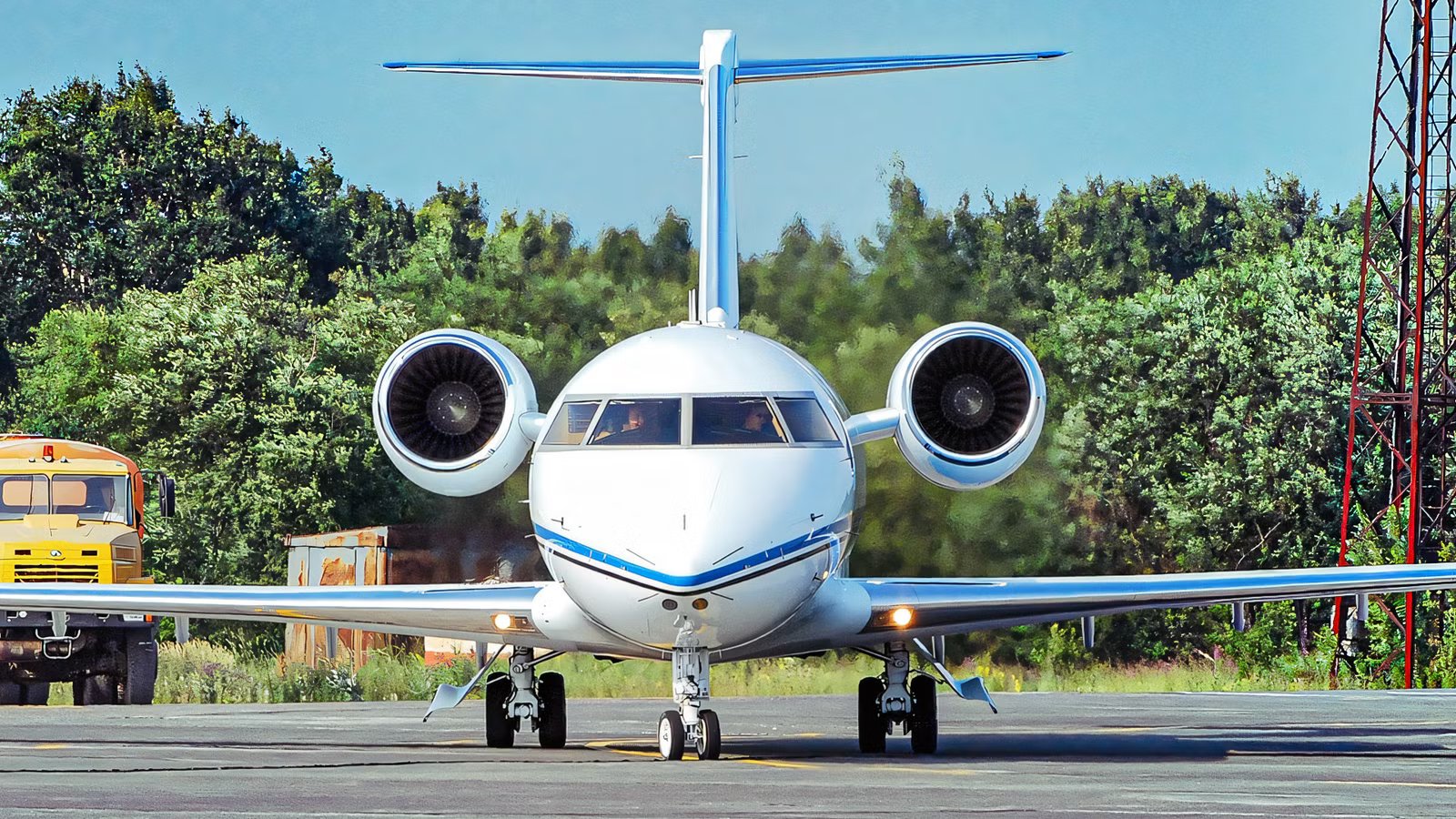
With hourly rates ranging from roughly $2,500 for a four-seater light aircraft to over $14,000 for ultra-long-range jets like the Gulfstream G650ER or BombardierGlobal 7500, flying private is the most exclusive way to travel in the skies. The level of exclusivity depends on budget and destination, with longer trips often requiring a larger and more luxurious aircraft capable of making the longer flight. Cheaper options may also be available for those willing to make stops for fuel or travel closer to home on a smaller aircraft.
All of these different options make flying private offer a lot more customization than commercial flying. However, there are also ways to find incredibly cheap deals on private jet flights by booking empty legs, a method similar in principle to purchasing a commercial airline ticket. At the end of the day, given all the different factors that go into booking a private jet flight, there is no single price tag for flying private. Nevertheless, here is a breakdown of what flying private actually costs in 2026 and some example prices for what a luxurious flight might cost.
The Basics: How Hourly Rates Impact The Final Price

At its core, private jet pricing starts with an hourly rate. This price per hour is then used to build a quote, or price estimate, for any given trip by multiplying the hourly rate by the flight’s block time. For 2026, typical hourly rates range from roughly $2,500 for a four-seater very light jet to $14,000+ for ultra long-range jets like the Gulfstream G650 or Bombardier Global 7500.
Outside the hourly rate, however, other taxes and fees can further increase the cost of a private jet flight. One of the most significant taxes is the Federal Excise Tax (FET), currently priced at 7.5% of the charter cost, according to BlackJet. Other common costs may include airport handling costs, crew overnight fees, de-icing expenses, fuel surcharges, or even repositioning fees to get an aircraft to the origin of a trip. These supplemental charges are often the main difference between a rough estimate and the final invoice price.
Peak Travel Periods & Events Push Prices Higher

While flying private offers extreme privacy and luxury, even private jet pricing is susceptible to the same supply-and-demand pressure that shapes commercial airline ticket prices. Aircraft availability is limited, especially during peak travel seasons when those who usually rent out their jets are using them for personal travel, and demand during those periods is often exponentially higher than in the off-season. Private jet operators have little choice but to raise rates or provide much larger, and expensive, aircraft instead.
Major holidays like Thanksgiving, Christmas, and New Year’s remain the busiest stretches of the charter calendar, as families and executives alike look to travel to holiday destinations and avoid the crowded airport terminals. Even non-holiday days during the peak season can see significant spikes in pricing, particularly during the summer between June and August. Additionally, high-profile events further add to demand surges. Major sporting events like the Super Bowl or, more recently, the World Cup can greatly tighten aircraft availability in surrounding areas for days at a time.
According to JetVice, a private jet charter company, these peak-demand periods can increase costs by 10% to 30% in certain markets, a markup that could easily run tens of thousands on expensive itineraries. Because operators cannot simply add more capacity the way an airline might swap for a larger aircraft, jets are often booked out well in advance of these peak windows. Travelers who wait until the last minute to book their charter flight may face these large premiums over standard rates, or be forced to book a larger aircraft, ones that tend to have more availability due to their higher costs.
Empty Legs: The Cheapest Way To Fly Private

Although flying private is certainly an expensive way to experience air travel, not every charter flight has to come with a price tag in the tens of thousands. The best-known way to score lower prices on private jet flights is by booking “empty legs.” These flights occur whenever an aircraft needs to be repositioned to another city for its next assignment. As these flights typically fly without any passengers onboard and thus do not generate any money, several websites offer the ability to purchase tickets on these flights at a significant discount.
According to pricing data from JetVice, empty-leg discounts typically range from 40% to 75% off standard charter rates, meaning a flight that would typically cost over $20,000 might be available for between $5,000 and $12,000, still a significant premium over even a commercial first class ticket but noticeably cheaper than chartering a flight outright. Looking at trips offered on Sky Access, a common empty leg booking platform, flights between Los Angeles and Las Vegas start at just $4,400, a trip that could easily run close to $10,000.
However, while empty leg flights can come at a discount, they come at the cost of flexibility, a major benefit to flying private. When booking an empty leg flight, the departure time and route are all fixed, and last-minute changes by the aircraft owner or charter company can cause the empty leg to be canceled or rescheduled at the last minute.
Jet Cards & Fractional Ownership Provide Discounts For Frequent Flyers

For travelers who fly private enough that booking one-off charter flights every time doesn’t make sense financially, jet cards and fractional ownership could offer a better alternative, allowing for more travel while avoiding the high costs of owning and operating a jet individually. Separating the two, a jet card works similarly to a prepaid card. Customers pay upfront for a set number of flight hours or monetary value, often further boosted by guaranteed aircraft availability and discounts on booked flights.
Fractional ownership brings things a step further, giving the buyer an actual stake in a specific aircraft rather than just access to flight hours on whatever aircraft is available. Buying into a fractional aircraft program typically costs anywhere from $300,000 to $5 million or more, depending on the aircraft and share being purchased. A common entry point is a 1/16 share, generally equating to around 50 hours of flying a year, though larger shares are also available for those who fly more frequently.
In addition to the initial buy-in, fractional owners also pay monthly fees that cover various expenses such as maintenance, crew salaries, insurance, etc. Fuel and other variable costs are also billed separately at the end of a trip. While being charged monthly fees and for gas may seem to defeat the purpose of fractional ownership, those who do buy into an aircraft typically save $100,000 to $650,000 a year at 150 flight hours per year, significantly less than renting someone else’s jet.
How Passenger Count Can Impact The Value Of Flying Private

When looking at private jet hourly rates and quoted block prices, it’s important to remember that these figures are for an entire aircraft, not just a single passenger. In reality, the cost of chartering a private aircraft is split between anywhere from four to nineteen passengers on large aircraft. So while the initial sticker price of a flight may be extraordinarily high for one person, for a group of eighteen, there are instances where flying private may not be that much more than a commercial business class ticket.
According to industry pricing data, a light jet, like a Citation CJ3+ or Learjet 75, typically seats between six and eight passengers with a range up to 2,000 miles (3,200 km). These aircraft generally charter for around $3,000 to $4,000 an hour, meaning, when split amongst eight passengers, an hourly cost per passenger of $375 to $500. For a standard two-hour flight, the cost per person may be just $750 to $1,000, not far off from what a first class ticket on Delta Air Lines, United Airlines, or even American Airlines might be.
This trend doesn’t only hold for short two-hour flights. Looking at ultra-long-range jets, like the G650 and Global 7500 mentioned before, standard hourly costs run $18,000 to $20,000 with a seating capacity of up to nineteen passengers. For a 12-hour flight with 19 people, this comes out to roughly $1,000 per hour per person or $12,000 per person for the entire flight. First-class tickets on ultra-premium airlines like  Singapore Airlines or
  Emirates can cost roughly the same amount, although they come with less flexibility and exclusivity.
When Does Flying Private Vs. Commercial Actually Make Sense?

At the end of the day, flying private remains an ultra-exclusive way to travel that few are able to experience. Given the many variables that go into a private jet quote, there is no single number for how much a flight actually costs. Rather, good estimates can be made based on the aircraft size and corresponding hourly rate.
For occasional flyers looking for increased flexibility with departure times or origin and destination points, on-demand charters may make sense on certain occasions compared to flying commercially. For those looking to get a taste of the private aviation world at a discounted price, empty-leg flights are often the way to go. However, those who fly private frequently may often benefit from purchasing a jet card or even buying into an aircraft.