dailynewsnblog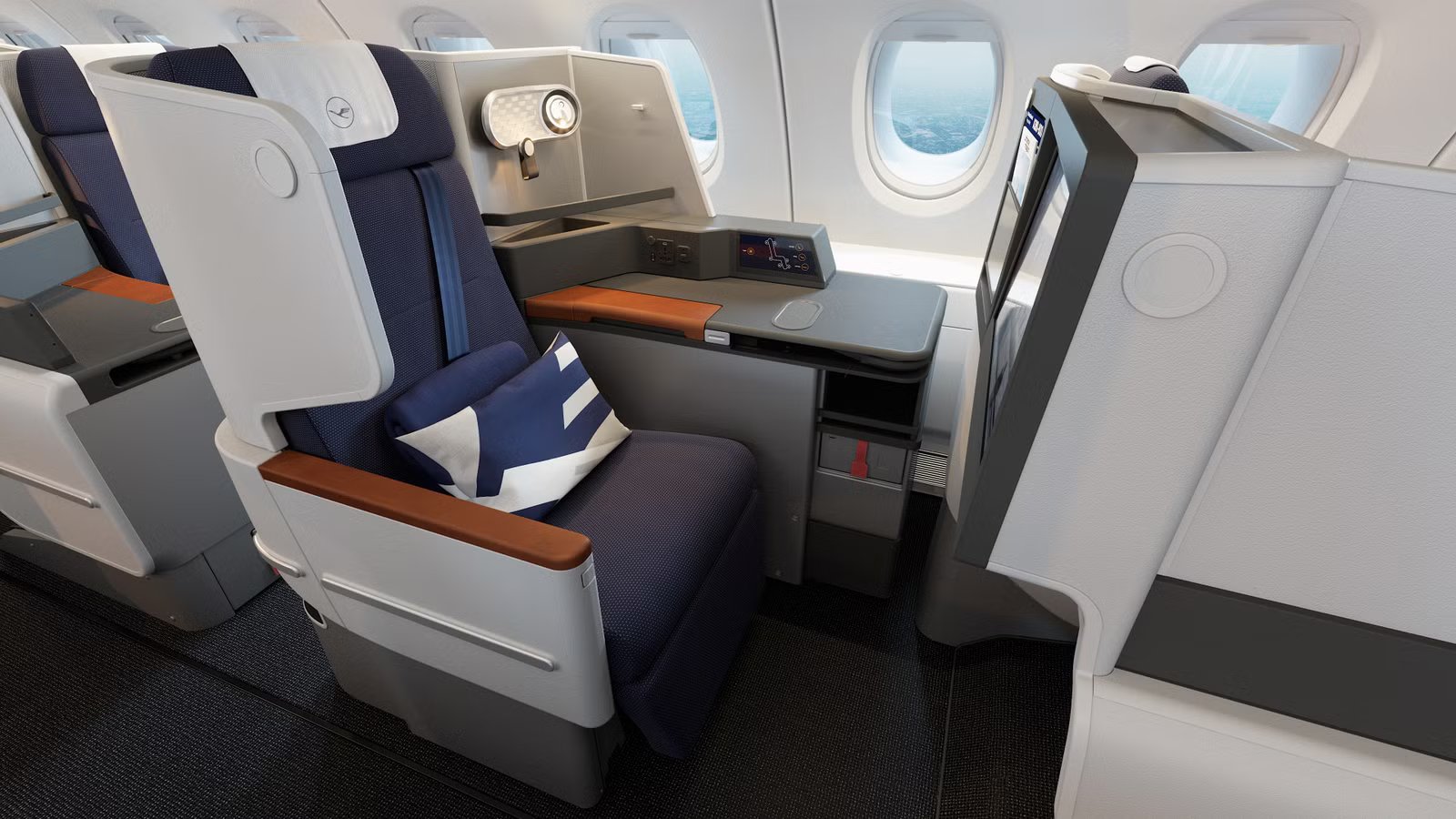
Stepping through the curtain that separates the galley from the premium cabin often feels like entering a different dimension, one where the clinking of real glassware replaces the crinkling of plastic. For many travelers, this transition can be a hard-earned reward or a rare splurge, but for the cabin crew standing at the boarding door, your arrival is the start of a silent, expert evaluation. Within those first 30 seconds of interaction, flight attendants are scanning for cues, from your posture to your grip on your boarding pass, that reveal exactly how familiar you are with the nuances of life at the front of the aircraft. This guide explores the subtle tells that signal a first-time business class experience, offering a peek into the behavioral analysis that happens onboard.
Cabin crew are not merely servers but are excellent behavioral analysts who use these observations to tailor their service to each individual’s comfort level. A seasoned corporate regular might want to be left entirely alone; a first-timer often thrives on the very guidance and attentiveness that the crew is trained to provide.
Don’t Overdress

The moment your foot hits the aircraft carpet, your wardrobe choices begin to tell a story about your history with long-haul travel. Crew members immediately clock what you are wearing because your clothing is a primary indicator of your airplane IQ. First-timers frequently make the mistake of dressing in a way that suggests they are heading to a board meeting rather than a flight designed for relaxation. Showing up in a tailored suit or stiff, fancy shoes might seem respectful to the environment, but it often signals to the crew that you have yet to learn the grueling physical reality of sleeping on a plane.
In sharp contrast, the veteran business class traveler has mastered the art of the premium lounge look, usually consisting of high-end yet breathable layers, slip-on shoes, and garments that will not look like a crumpled mess after a few hours of sleep. When someone boards in flip-flops, pajama pants, or jeans that look painfully tight, the crew recognizes a passenger who either lacks experience or has not yet prioritized the functional comfort required for the stratosphere. It is a subtle irony of the cabin that those who fly the most often are frequently the ones who look the least like they are trying to impress their fellow passengers.
The way a passenger navigates the physical space of the boarding area is a significant giveaway. A first-timer often displays a certain degree of hyper-awareness, clutching their boarding pass like a sacred document and scanning the seat numbers with visible intensity. The passenger who acknowledges the crew as fellow humans, makes eye contact, and offers a genuine greeting immediately stands out to the staff. This level of situational awareness tells the flight attendant that you are present and respectful, whereas the frequent flyer might sometimes treat the crew as part of the aircraft’s furniture, a habit that is noted just as quickly as a passenger’s choice of footwear.
Lots To Learn

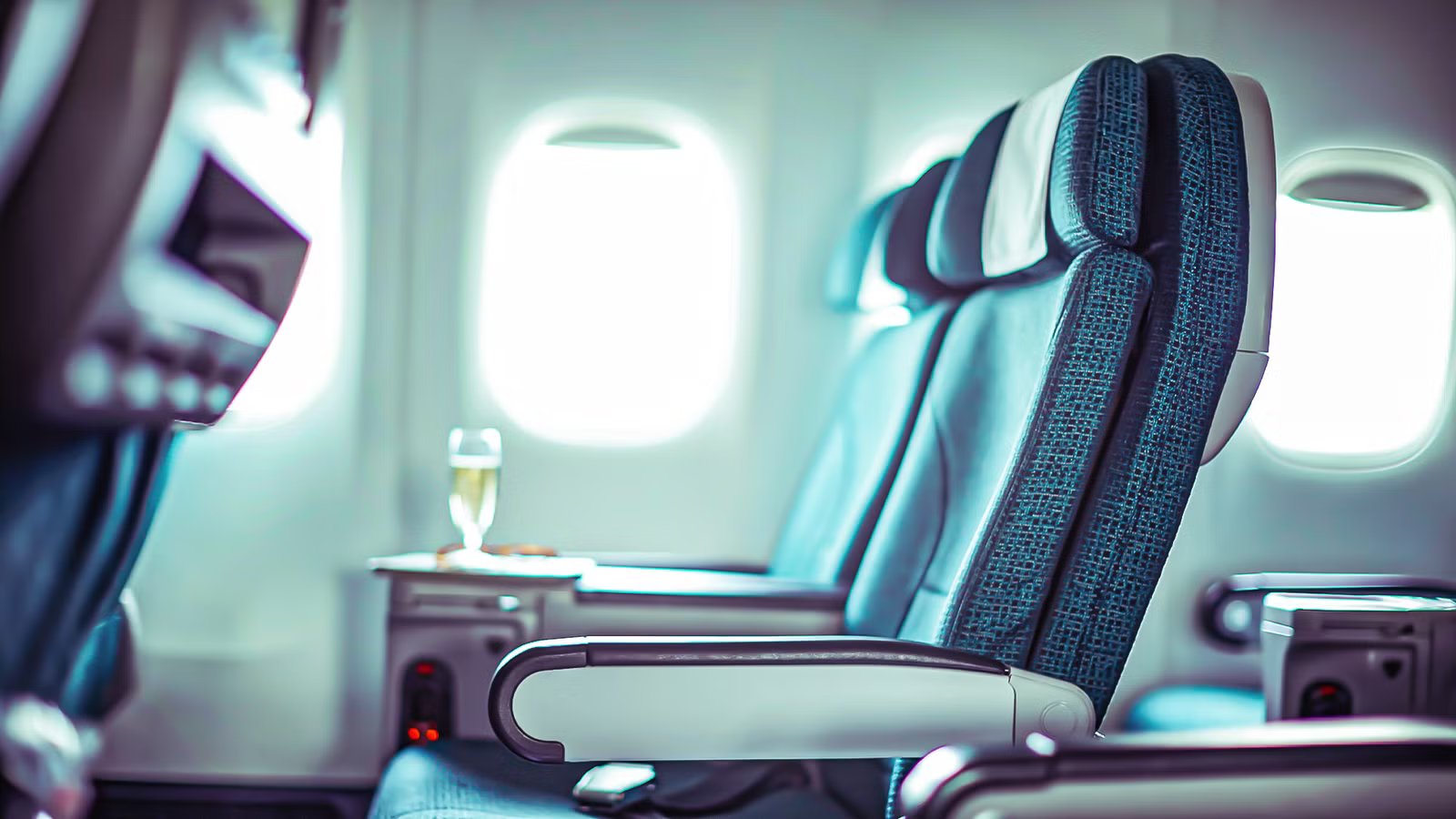
Modern business class seats are marvels of aviation engineering, featuring multiple recline positions, integrated massage settings, and complex privacy doors that can be genuinely intimidating to operate. While these features are designed to enhance the travel experience, the sheer number of buttons and toggles can create a noticeable learning curve for the uninitiated. Crew members frequently observe passengers engaged in a gentle battle with their armrests or staring intently at a touchscreen just to find the lumbar support.
First-timers often require direct assistance simply to locate the essential components of their workstation, such as the tray table, which is frequently tucked away beneath the seat or hidden within a side console rather than being attached to the seatback in front. This confusion is a classic tell because a seasoned traveler can deploy their table and adjust their seat into a 180° recline without a second thought. For the newcomer, discovering the suite’s hidden features often feels like solving a puzzle, a very expensive one if that.
Amenity kits in this cabin are often curated with designer skincare products and cozy socks, and first-timers are encouraged to use them rather than leave them as pristine souvenirs. Applying moisturizer before sleep helps combat the post-flight dry skin that often plagues travelers, and the provided sleep masks are essential for maintaining a sleep cycle on overnight flights. Even the pouch itself is designed for longevity, serving as a practical travel organizer for future journeys.

Here’s What Cabin Crew Notice About Passengers Flying Business Class For The 1st Time
Premium cabin demand has only continued to grow.
Fear Of Missing Out

When the menu arrives, the psychological divide between the occasional traveler and the corporate veteran becomes glaringly apparent. Passengers who do not fly in premium cabins often operate from a scarcity mindset, feeling a need to sample every snack, drink, and course included in their ticket price to ensure they do not miss out. This often results in a table filled with appetizers, entrees, and cheeses, even if the passenger is not particularly hungry.
In contrast, seasoned business class travelers often eat lightly or skip the meal service entirely to prioritize sleep, recognizing that arriving well-rested is more valuable than a mid-flight steak. The first-timer might work through every single course with studious attention, whereas the veteran flyer might not even finish their first drink. They are not worried about missing out because the flight is a routine part of their week rather than a singular event.
This behavior extends to the bar service, where the novelty of unlimited champagne can be a significant draw for the first-timer. The crew often notices when the pace of ordering exceeds the norms of the cabin; ringing the call button for more wine every 15 minutes is a common habit that identifies an enthusiastic newcomer. Business class etiquette suggests a more measured approach, as the atmosphere of the cabin is largely shaped by the discreet behavior of its occupants.
Watching Out For Others

For many who are unaccustomed to the attentive nature of premium travel, there is an initial urge to over-apologize for the simplest of needs. You might find yourself apologizing just for asking for a glass of water, or profusely thanking a flight attendant for simply performing their standard duties, as if you feel the need to earn your place in the seat. Cabin crew recognize this instantly as a sign of someone who views the environment as a luxury rather than a routine inconvenience.
There are often far more ‘invisible’ rules when it comes to interactions with other passengers in the much smaller cabin compared to further back in the aircraft. The overhead bins are one of those regular friction points where first-time passengers are met with kickback over the placement of their belongings. Regular business travelers will often stow their belongings promptly, leaving no time wasted getting comfortable in their seats.
This behavior highlights a lack of familiarity with the invisible service flow that cabin crew try to maintain in the front of the aircraft. In a premium cabin, many of your needs are anticipated during scheduled walk-throughs or meal services, reducing the need to chime a call button. By understanding this rhythm, a passenger can move from a state of anxious politeness to a more relaxed, confident presence that allows the crew to perform their roles with the quiet efficiency that defines a luxury flight.

Here’s What Flight Attendants Can Tell When You’re Experiencing Your 1st Long-Haul Flight
Flight attendants are quick to spot the inexperienced traveler. From boarding behavior to luggage mistakes, subtle signs give them away.
Not Everyone Is Celebrating

With the rise of social media, many that travel in business class for the first time like to document their experience and perspectives of the flight. Documentation usually begins the moment the passenger reaches their pod, with the smartphone coming out to capture the lie-flat seat, the designer amenity kit, and the inevitable glass of pre-departure champagne. This is a completely understandable reaction to a genuinely exciting milestone, but it is a behavior that seasoned business class travelers simply never exhibit.
The unspoken rules of premium travel suggest a level of discretion that frequent flyers maintain as a matter of habit. For the business traveler, the seat is an office or a bedroom, and taking a photo of it would be as mundane as photographing their own desk at home. First-timers, however, view the cabin as a destination in itself. This visual enthusiasm can set a celebratory tone for the cabin, but it also signals to the crew that they may need to provide a bit more guidance regarding the seat’s more complex features or the specific uses of the high-end skincare products in the amenity pouch.
Rather than feeling self-conscious about taking photos, first-timers should embrace the moment while remaining mindful of others’ privacy. The behavior of passengers in the business cabin plays a significant role in the overall atmosphere; your joy is welcome, but flashy or disruptive behavior is still considered a breach of etiquette.
Enjoy The Moment

Perhaps the most revealing tell of all is the studious, almost academic attention that first-timers pay to every move the cabin crew makes. A veteran flyer might be buried in a laptop or sleeping before the gear has even retracted, but a newcomer watches the entire service process with wide-eyed interest. They observe how the meal is plated, how the wine is poured, and how the crew interacts with each seat, essentially serving as accidental behavioral analysts. This level of engagement is a clear sign that the passenger is savoring every moment of a rare experience.
However, this is often a breath of fresh air for flight attendants who have spent years serving indifferent or demanding frequent flyers. The sheer delight and pure joy visible on the faces of first-time passengers, the grin when the champagne is topped off or the genuine wonder at the comfort of a lie-flat bed, is often cited by crew as one of their favorite parts of the job. These passengers are often the helpers in the cabin; they are the ones who acknowledge the crew as fellow human beings rather than mere service providers. This basic courtesy can have tangible benefits, as crew members are much more likely to offer an extra amenity kit or a better meal option to a passenger who shows genuine kindness and gratitude.
The crew can certainly tell you are new to the front of the plane, but they generally don’t mind at all. In fact, your enthusiasm can make their workday more rewarding. By acknowledging the staff, respecting the shared environment, and simply enjoying the journey without over-stressing the unspoken rules, you can bridge the gap between a nervous newcomer and a respected guest. Ultimately, the most sophisticated thing you can do is to be a kind, aware, and genuinely happy traveler, because, in the eyes of the crew, a little bit of joy is worth more than a decade of frequent flyer miles.