dailynewsnblog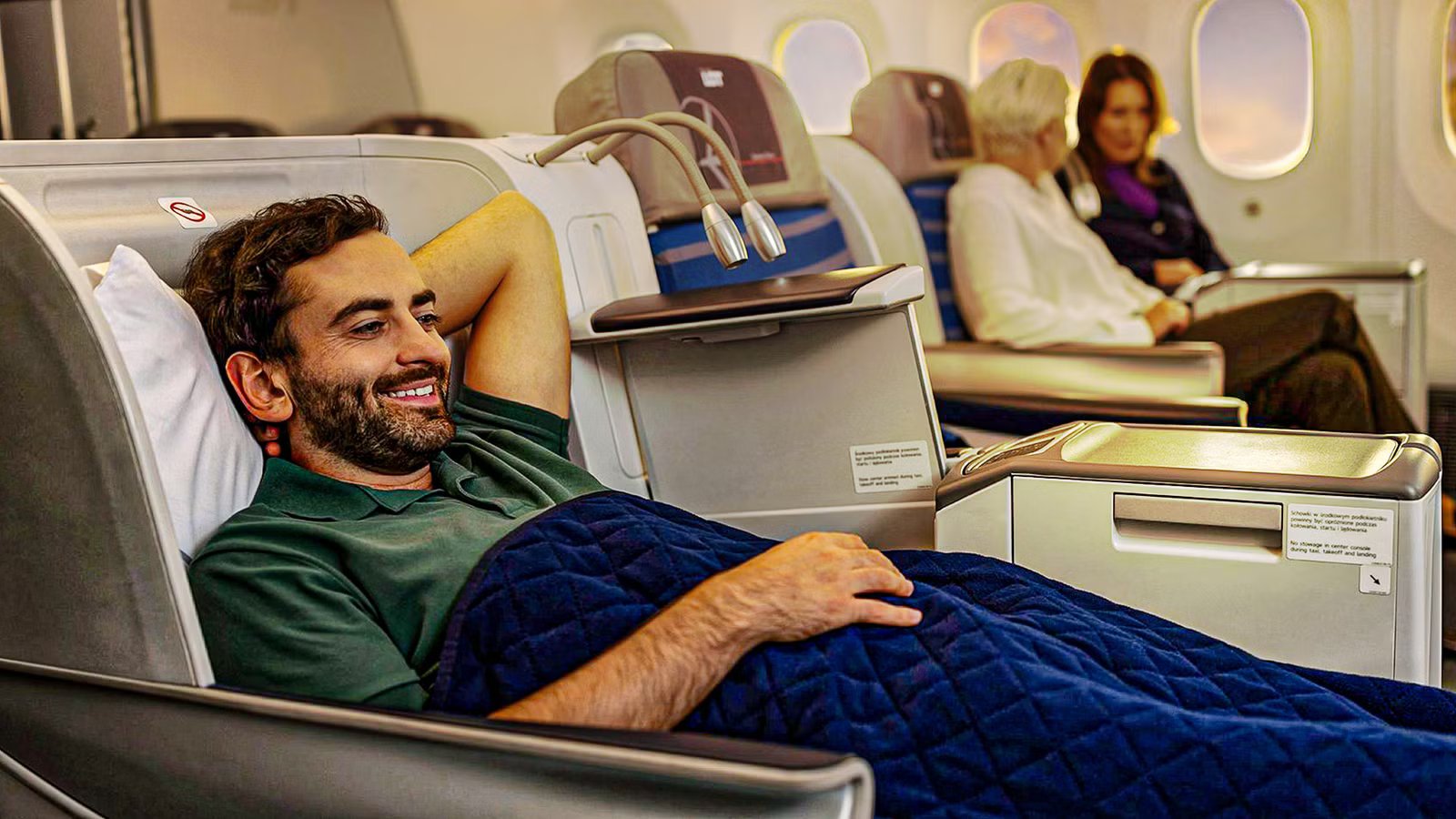
The premium side of aviation is currently going through a substantial overhaul. Traditionally, this class was reserved for corporate flyers. These people needed the additional comfort to get work done and to ensure they were fresh for meetings, conferences, and events they had to attend after landing. Now, the market is shifting toward leisure travelers, particularly due to corporations’ reluctance to spend heavily on business class flights amid the difficult economic environment.
This business class paradigm shift is changing how cabin crew operate. They are now having to deal with more premium passengers, many of whom are using the product for the first time or rarely fly in the class. Business class products are also becoming more complex as airlines work to attract more passengers.
The Democratization Of Premium Travel

Business class flying has been democratized beyond the usual corporate flyers that have historically used premium cabins, which is clear from the incredible growth in its customer base. International premium travel rose by 11.8% in 2024 to over 116.9 million passengers, far higher than the growth in economy class flying over the same period. Airlines have expanded their premium products in response and have been achieving strong results. United Airlines flew a record 27.4 million premium seats in 2025, representing 12% of all seats flown.
This growth fueled an increase in premium revenue by 9% in Q4 and 11% for the full year. American Airlines has made similar efforts by increasing its premium seats by 16% since 2019. The carrier’s economy class seats have grown just 5% in the same period. This growth has come about because more leisure travelers are opting for business class. Business Travel Magazine reports that Qantas Regional GM for the UK, Europe, and Africa, Darsh Chapman, has claimed that on flights from London, around 70% of customers in business cabins are leisure travelers.
The number increases to 80% in premium economy. United Airlines reports similar findings, per View From The Wing. In its internal presentation, it claimed that leisure travelers’ representation in first and business class has doubled since 2019. Delta has also observed that the shift has led more customers to pay full price rather than reaching the premium classes through upgrades. The carrier claims that 75% of its first class seats are filled by full-paying customers. This figure was just 12% in 2009.
The shift of leisure passengers towards premium classes has been a central driver of the growth in business class products in recent years. The demand has replaced a weakening appetite for business class prices for corporations, while the global economy remains unstable.
Loyalty Programs Have Helped Customers Access Business Class For The First Time

There has been a growth in customers paying full price for premium flying. At the same time, miles and loyalty programs have become important ways for passengers who don’t usually pay extra to enjoy a higher class of aviation. Passengers can use these programs to earn points for their flying and for using services partnered with airlines, such as their credit card.
They can then use these points to upgrade to business class, without feeling like they are spending the usual eye-wateringly expensive ticket price. The table below details the world’s first five frequent flyer programs, which have paved the way for the modern loyalty sector.
Airline | Program name | Year Introduced |
|---|---|---|
Delta Air Lines | SkyMiles | 1981 |
United Airlines | MileagePlus | 1981 |
American Airlines | AAdvantage | 1981 |
Western Airlines | Travel Bank | 1980 |
Texas International Airlines | Become consolidated into Continental’s OnePass in the merger | 1979 |
The perks of frequent flyer programs also extend beyond giving you access to business class. In United’s MileagePlus loyalty program. Firstly, passengers get a number of free checked bags based on their status, along with access to priority boarding. Being a member of a loyalty program also boosts the number of points you can earn, with some MileagePlus members receiving an 11x multiplier. Finally, United’s position with Star Alliance means that their MileagePlus status and miles earned can grant them perks across this network.
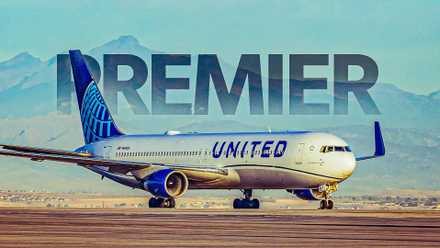
5 Luxurious Benefits Of United MileagePlus Premier Status
A look at the perks of the carrier’s loyalty program.
How The Boom In First-Time Business Flyers Impacts Cabin Crew

The main new task for Cabin Crew members when serving business class passengers is to ensure all customers know how things work and how to get the best out of business class. First-time business class passengers often don’t know when to board, how to use dine-on-demand, where to stow their possessions, what items are complimentary, or what level of service they can expect.
As a result, the role of cabin crew is now different. They must go beyond simply providing business class service to act as product tutors and brand ambassadors. Friendly, knowledgeable service is the best way carriers can convert first-time business class flyers into frequent premium customers.
The nature of business class cabins is also changing. Carriers are in an arms race to offer passengers new and advanced products. The cabin crew’s job has become more complex as they strive to meet these expectations. The changes will impact more cabin crew professionals over time, as the size of business class cabins has greatly expanded beyond the former handful of seats at the front of the aircraft.
The Signs Cabin Crew Look For When Spotting First-Time Premium Flyers

The first tell of a first-time business class traveler is apparent as soon as they board the aircraft. These individuals often feel the need to overdress, hoping that they will fit in with the corporate clientele. However, a stiff suit and smart shoes quickly become uncomfortable when flying long-haul. Frequent premium class customers wear whatever is comfortable, particularly if they will be using the flight to catch up on sleep.
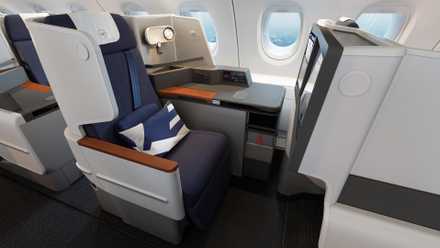
The increasing complexity of business class products is also turning new premium customers into rabbits in the headlights. Many of these seats need to be adjusted for comfort on the touchscreen. It can also be difficult to work out how to deploy the tray table, recline the seat, or find the seat’s storage areas.
The novelty of flying in business class for the first time can make new passengers feel the need to get their full money’s worth. This includes ordering the most high-end items during meal service and ringing the call button frequently to make the most of the free drinks. Frequent business class customers enjoy a more relaxed experience. They will often prioritize sleep and relaxation over making use of all the meal services.
Finally, new business class passengers show a high level of excitement, which has been further exacerbated by the social media age. They may feel the need to photograph and film everything about the experience for their Instagram feed. These passengers are right to enjoy the moment, but it’s also worth remembering the need to respect other passengers’ privacy. Corporate passengers in particular will be less fussed about updating their social media, as doing so would be no different to photographing their desk or home office.
Cabin Crew Can Always Tell When You’re Flying Business Class For The 1st Time: Here’s How
A premium cabin is like entering a different dimension, where the cues of a first-time business class traveler are quickly noticed by cabin crew.
Which Airline Should You Choose For Your First Business Class Experience?

If you are forking out on business class for the first time, it’s worth spending some time to consider where your money will be best spent. Simple Flying investigated the top five business class products available if you are flying to Europe, taking a close look at where these carriers rank according to the Skytrax awards: they are Air France, Virgin Atlantic, Delta Air Lines, Emirates, and Singapore Airlines. Turkish Airlines, British Airways, and United also have noteworthy premium products.
Singapore Airlines’ business class product is exceptional, earning the carrier second-place ranking globally in Skytrax’s awards. This carrier operates flights from New York to Frankfurt, aboard Boeing 777s. These jets have a 1-2-1 seating configuration and offer passengers two seating positions. The Lazy Z cradles you while you are seated, while the Sundeck allows you to stretch your legs onto an ottoman. All seats can also become fully flat beds, as is expected for all long-haul business class products worth their salt.
There are also strong business-class products among the US legacy carriers. An example is Delta, positioned 14th on Skytrax’s business-class rankings. The carrier offers around 30 European destinations, with almost 700 weekly flights to the continent. That means you will have plenty of destinations to choose from if you are planning a European adventure.
Comfort is Delta’s utmost priority. Every passenger can enjoy direct aisle access in a 1-2-1 configuration and relax with an oversized duvet and large sleeping pillow. There is also a lumbar pillow that doubles as a mattress pad. The suites also often have full-height doors providing superb privacy. When departing from the US, you will often be able to enjoy Delta’s Sky Club lounge, which is known for its seasonally inspired menu.