dailynewsnblog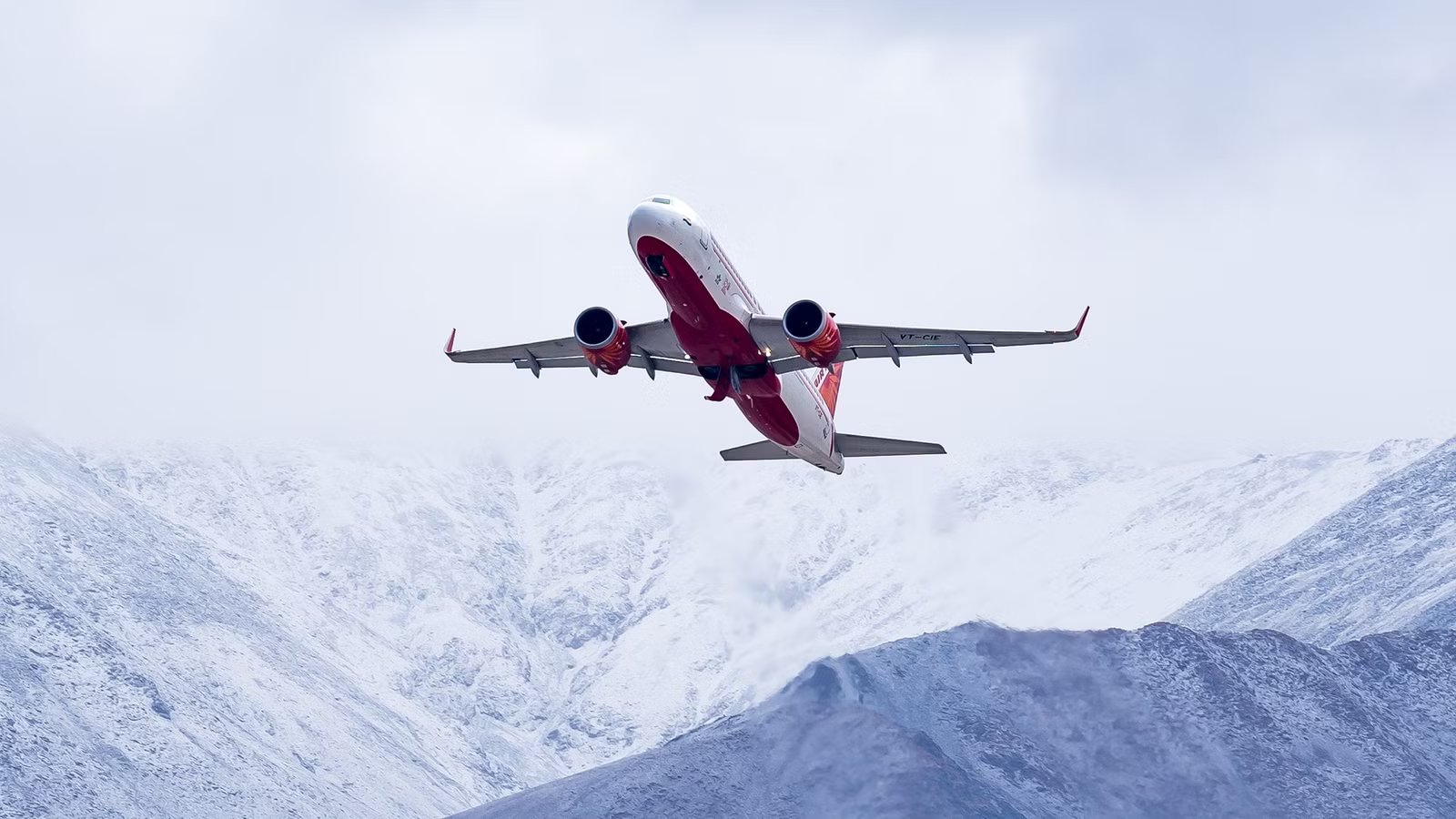
24 people were left injured after an  Air IndiaAirbus A320neo flight from Phuket International Airport (HKT) to
  Delhi Indira Gandhi International Airport (DEL) lost key flight controls. The service, AI2379 on August 4, operated by the Indian flag carrier, has prompted Airbus to request checks on the airplane’s hydraulics, sensors, and wiring. In a report by Reuters, Airbus’s initial analysis suggests that the plane lost all three hydraulic systems, causing the plane to drop 300 feet in a matter of seconds.
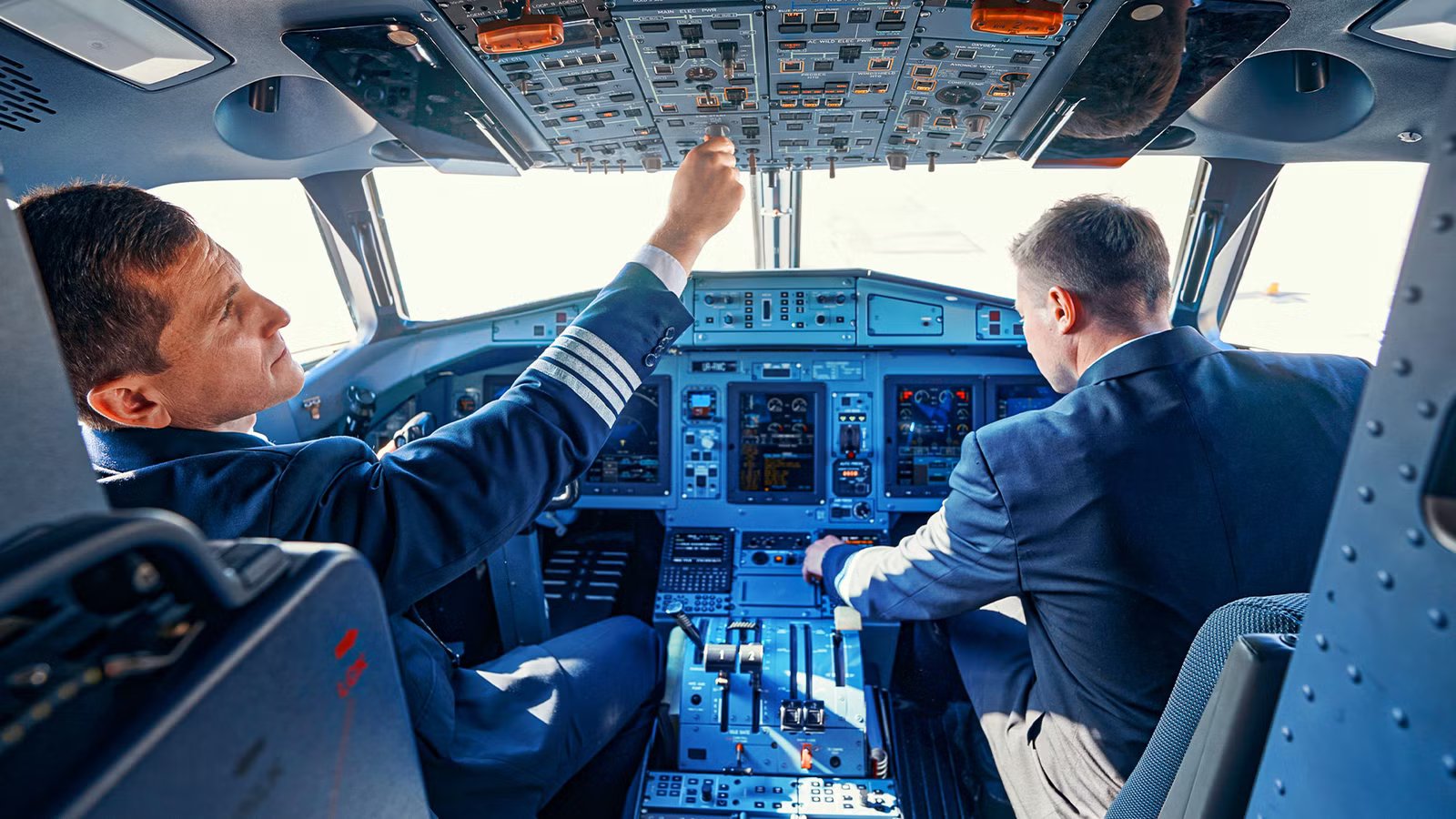
For approximately four seconds, the pilots onboard the international flight were unable to utilize the elevators and ailerons, which are the moving parts on the wing and tail of the aircraft that dictate the direction the plane points up or down and banks left or right.
AI2379 Lost Control From Phuket To Delhi

Air India operates a twice-daily service between Phuket and Delhi, and on August 4 the service had departed from the popular Thai tourist destination for the nonstop four-hour flight back to New Delhi. During flight AI2379, control was lost, resulting in the aircraft plunging around 300 feet (91 meters) in just four seconds.
During the drop in altitude, the aircraft pitched upward, and the first officer applied a full nose-down input; however, these was no direct response from the flight control surfaces. Seconds after the incident occurred, the hydraulic systems re-engaged, and the plane was able to recover. Initial assessments did not establish what could have caused the loss of hydraulic pressure.
Following the incident, Airbus requested that Air India run tests on the airplane’s hydraulic systems and pressure sensors that monitor them, and as a result, some sensors have been removed for inspection, and in-depth checks of the plane’s wiring could be needed.
Air India VT-EXO Maintenance Log Review

European plane manufacturer Airbus has found that the aircraft experienced forces above specified limits when the plane encountered the sudden altitude change; the plane has since been inspected for any structural damage. The airline’s hydraulic system logs over the last month have also been reviewed.
The airline continues its ongoing investigation and has provided information and assistance to relevant authorities that are investigating the incident.  Star Alliance partner Air India initially described the incident as turbulence-related, with the plane ‘suffering a sudden loss of altitude’. Indian authorities have classed the event onboard AI2379 as a serious incident.
Flight Number | AI2379 |
|---|---|
Date | August 4, 2026 |
Origin | Phuket (HKT) |
Destination | Delhi (DEL) |
Departure Time | 8:41 AM |
Arrival Time | 11:00 AM |
Aircraft Registration | VT-EXO |
The plane at the centre of the incident, VT-EXO, is a seven-year-old A320-251 (NEO), and has since been removed from service following the incident and remains grounded in New Delhi.
The Captain Tested Positive For Marijuana Use

Unrelated, but following drug tests for both pilots, the flight’s captain tested positive for marijuana use. There is no link between the use of this drug and the sudden altitude loss (to date), and following the event, the airline has now begun mandatory substance testing across all of its operating pilots.
In a report by NDTV, it has been suggested that data retrieved from the flight’s Digital Flight Data Recorder (black box) indicates the simultaneous loss of key control services was a consequence of hydraulic failure. The failures of three hydraulic systems saw the unprecedented plunge in altitude and unresponsive flight controls. The hydraulics of an aircraft are critical for flight operations and support the elevators, which are able to pitch an aircraft up or down, and the ailerons, which help a plane roll either left or right.
The autopilot system on the A320neo disconnected during the incident, which saw the pilot push his control stick forward. When the aircraft was able to regain control, the violent nose-down trajectory of the plane resulted in several injuries for those onboard the aircraft, including passengers and cabin crew who were unrestrained at the time, and hit the roof of the jet.