dailynewsnblog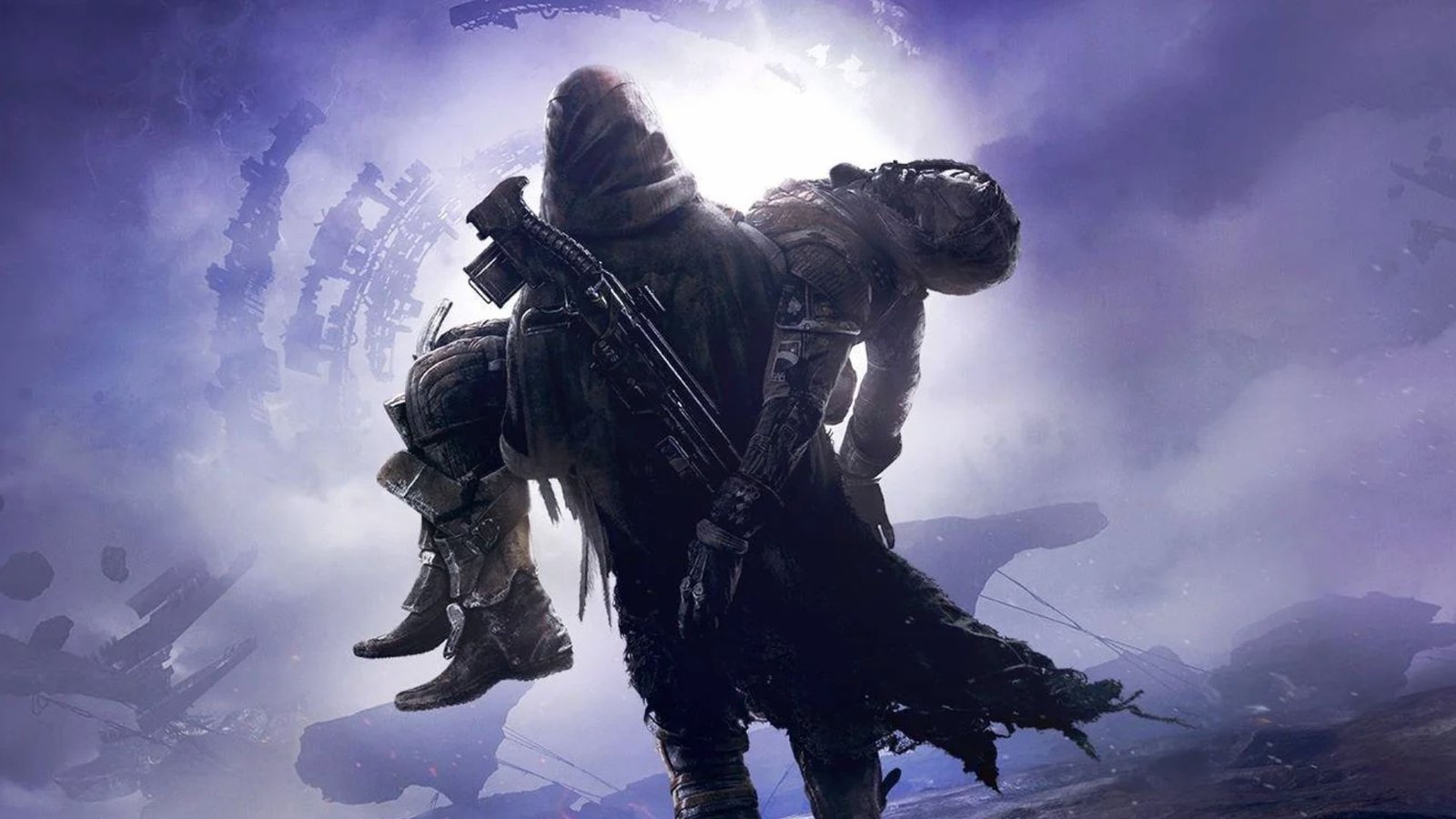
Now that Destiny 2’s massive final update is here, it’s more or less set in stone forever. Destiny is calcified—no more FOMO, no need to re-grind gear, and the end of a seasonal treadmill.
That should make me sad, and it does, more so because it’s over rather than that it’s easing off the gas. I’ve always loved playing it, so seasonal updates were a good excuse to keep looting and shooting. But there’s no avoiding that, at times, playing Destiny was a chore of Bungie’s own design.

Rory Norris
I’ve played Destiny for most of my life, as strange as that is to say. Destiny 1 came out when I was in high school, and Destiny 2 caught the tail end of it. Thousands of hours over the past decade, hundreds more watching lore videos. So, pondering what’s next for the franchise feels very poignant.
With the threat of a Power cap increase or power-creep removed, you’re now free to do whatever you want, whenever you want. You don’t need to race through quests to be ‘raid ready’, or complete seasonal tasks and grind specific god rolls before they vanish into oblivion. And honestly, it’s bliss.


Ironically, this is basically how Destiny used to be. The first game was built around major expansions, which would see the player count naturally rise and fall in accordance. And this is how Destiny 2 began as well. However, at some point, we all became fed up with the idea that we’d run out of new things to do and play something else for a little while.
Image 1 of 2


Enter the live service-ification of Destiny, giving rise to unceasing seasonal updates and yearly expansions to keep the good times flowing. As fun as this era was, it’s clear that it was practically impossible to sustain for Bungie. Live service games are expensive, and Bungie was one of the very few attempting it from a predominantly PvE angle, where content tends to be very one-and-done compared to infinitely queueing multiplayer matches in Call of Duty, for example. Plus, forcing every story arc to fit a weekly cadence like a TV show wasn’t ideal either.
It didn’t work for Bungie, and I’d argue it didn’t really work for us, either. From my observations, the community is oddly happier with the game in its current state, in spite of it being the end. Of course, people are enjoying the new content, but mostly, I think we’re enjoying being able to play Destiny without the pressure. It’s nice, isn’t it?
Plus, I’m older now and have less time to dedicate to one, let alone multiple live service games. It’s an existential threat to a game like Destiny, where the most die-hard fans who picked up the first game in their 20s would be in their late 30s or 40s by the earliest time Destiny 3 could arrive. I figure Bungie will have a hard time getting everyone on board for a return to the seasonal treadmill, or convincing a new generation away from their already-established live service mainstays.
So, in the theoretical situation where we eventually get a Destiny 3, my big question would be what form it would take.
Maybe an MMO-like subscription model would better support a sequel designed from the ground up to be the live service MMO Destiny 2 aspired to be. But perhaps not, since there are very few MMOs left standing these days, and maintaining this would be an expensive venture. And that ‘from the ground up’ bit is an important note, as Destiny 2’s dated infrastructure has constantly shot Bungie in the foot, most obviously in the form of the Destiny Content Vault that removed a whole chunk of game.
Maybe Bungie opts for smaller/spinoff games to more economically tell stories in the same universe, akin to Halo 3 ODST and Halo Reach. I miss the days of focused shooter campaigns and some tacked-on multiplayer, and I love Destiny’s world, so I’m not opposed to this at all. However, it would feel like a bit of a gut-punch, downsizing one of the biggest franchises in gaming.
Despite the inherent risk, I’d argue it’s best we return to a full-fledged expansion schedule and sequels, and come to peace with the fact that it’s alright to put a game down once you’ve had enough to return when something’s piqued your interest. More time to develop large expansions, more time for game-changing sequels. That’s effectively how Borderlands works.
Whatever the approach, it’s clear that change is required. Destiny 2 died for a multitude of reasons, but new-player onboarding, removing content, and the maligned Portal system are among the largest. These issues can’t return. But hopefully the universe of Destiny can.