dailynewsnblog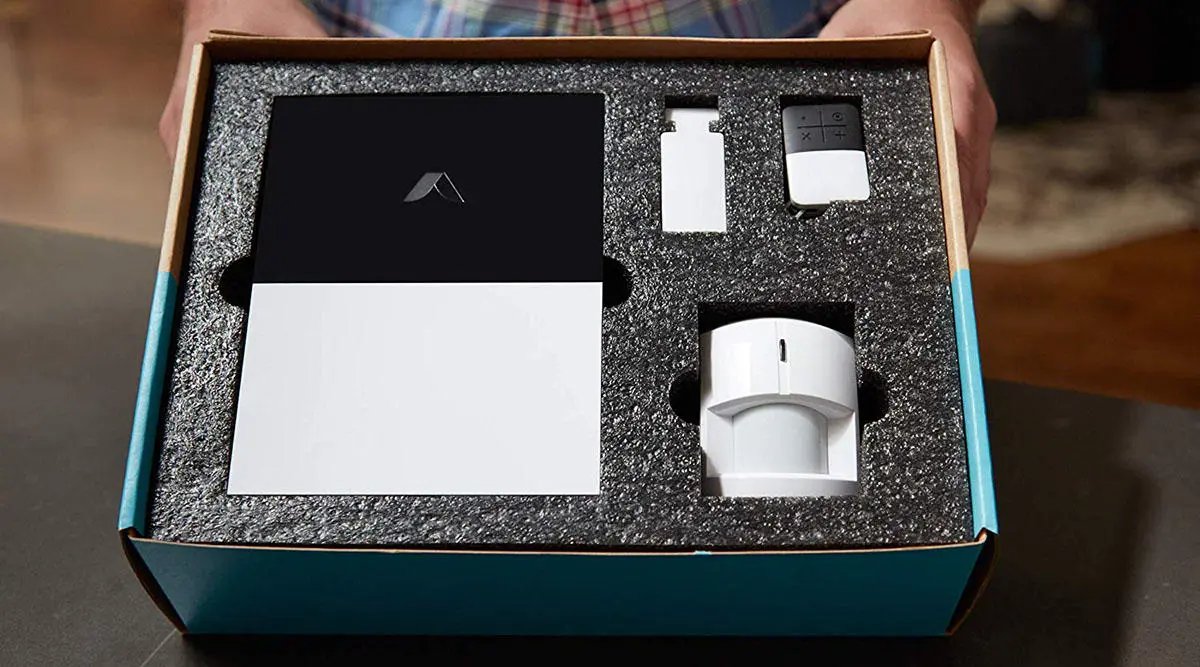
Modern security systems include an array of sensors and hubs to help manage access to your home or specific spots inside it. They offer traditional features such arming/disarming, sirens and options to contact professionals, as well as advanced tricks such as app controls, face recognition and geofencing.
Our Picks

Bottom Line
Why I like it: We’ve tested the SimpliSafe systems several times and most recently gave their kit a review score of 8.5 out of 10, one of our …
Pros & Cons
-
Easy to install and operate for DIYers -
Adhesive sensors for apartments -
Competitive pricing for multiple packages -
From self-monitoring to AI services, a lot of subscription options
-
Limited smart home integration, keeping you in the SimpliSafe ecosystem

Bottom Line
Why I like it: Arlo’s system, which performed exceptionally in our tests, offers something different from most standard security kits: It uses…
Pros & Cons
-
8-in-1 sensors -
Affordable starter kits available for $150 with discounts -
Integration with Arlo cams and tags -
Great app controls -
No contract -
Voice assistant support for Alexa and Google
-
Grows much more expensive if you want to add video or monitoring -
Very little third-party or voice-assistant support

Bottom Line
Why I like it: Ring offers some home security packages for users who want to take everything into their own hands, from picking out add-ons to…
Pros & Cons
-
DIY-friendly starter kit -
Easy to add other Alexa and Ring devices -
Intuitive app controls -
Includes a Wi-Fi range extender to help solve connectivity issues
-
Not so useful outside the Amazon ecosystem of Alexa and Ring -
Remote arming does require a subscription

Bottom Line
Why I like it: Thanks to Abode’s frequent deals, you can find home starter kits for as low as $100, one of the cheapest options on the market….
Pros & Cons
-
Apple Siri support, Excellent third-party integrations -
$8 to $26 subscriptions aren’t “must-have”
-
Starter kits are a little limited and you have to pay more than $200 for better options

Bottom Line
Why I like it: Vivint gives you a polished experience with third-party device integrations, and it doesn’t require a contract. The starter pac…
Pros & Cons
-
Numerous add-on options for thermostats, smart locks, cameras and more -
No contract required
-
High upfront charges and required professional installation -
Difficult to decipher pricing without having to give your email address -
Monitoring can be expensive, starting at $25 -
No current support for home platforms like Alexa or Google Home

Best professionally installed home security system
ADT Home Security with ADT Plus
Bottom Line
Why I like it: ADT has again reinvented its security system offerings in 2024 with ADT Plus, bringing a new app (source of the ADT Plus name),…
Pros & Cons
-
Excellent Google Nest compatibility with Cams and Doorbells -
New ADT+ app filled with customization features -
New, more compact sensor designs
-
Clunky, expensive monitoring contracts often tallying more than $70 remain -
ADT+ will be a lot to learn for those with no smart home experience -
New app is sometimes buggy
I’ve spent years testing the latest security kits from top brands such as Simplisafe, Arlo and ADT to find which are worthwhile and what you need to know before you buy.
What is the best overall home security system?

SimpliSafe’s entry sensors remain DIY-friendly during setup and testing.
Tyler Lacoma/CNET
We’ve tested systems for more than 180 hours, including the latest kits and updates for 2026, and nothing beats SimpliSafe’s starter kit as the top choice for the average homeowner. SimpliSafe’s hardware packages start at $250 and go up to $734. However, we’ve observed that there are often deals that let you buy this security system for a discount. It’s incredibly DIY friendly while also offering robust monitoring plans and sharp new AI features for those who want them. Anyone can install its compact sensors, including renters, thanks to the adhesive options.
Our other options include kits for every kind of house. If you want a modular security kit you can easily build out over a couple of years, Vivint is your best choice. We also have an affordable, compact model with Arlo’s multi-use sensor system — which doesn’t require a contract is a great fit for renters — plus more picks for gifts, excellent existing smart home support and many other needs.
Best home security systems of 2026
best-overall-sponsor / Tyler Lacoma/CNET
Best overall home security camera system
SimpliSafe
-
Easy to install and operate for DIYers -
Adhesive sensors for apartments -
Competitive pricing for multiple packages -
From self-monitoring to AI services, a lot of subscription options
-
Limited smart home integration, keeping you in the SimpliSafe ecosystem
Why I like it: We’ve tested the SimpliSafe systems several times and most recently gave their kit a review score of 8.5 out of 10, one of our highest ratings for a home security system and a perfect option for installing a system yourself. It offers a comprehensive set of features, including equipment like security cameras and a strong assortment of battery-powered motion detection sensors, all of which performed quite well in our tests. You can add everything from smoke detectors to panic buttons as add-ons, too. Devices are compact, easy to install and have adhesive options for avoiding damage to walls.
Starter kits begin at about $250 with the typical discounts applied, or you can build a custom alarm system with the exact mix of devices you need. Self-monitoring plans start at $10 per month for basic camera support, but SimpliSafe adds a lot of interesting features for monitoring plans, which start at about $30 per month, including live guard watching and AI-powered alert systems to focus on strangers, providing a lot of options for every kind of user.
Who is this for: DIY fans who want to handle all the details themselves but still want masterful options for professional monitoring, as well as renters looking for adhesive sensors.
Who shouldn’t buy it: Anyone who wants a pro to take care of the installation.
- Installation
- DIY installations
- Contract required
- No
- Voice assistant
- Google Home/Nest, Amazon Alexa
- Additional fees
- Self monitoring starting at $10 per month, Guard monitoring starting at $30
- Service bundles
- Multiple starter kits with different speciaties
- Battery backup
- Around 24 hours
Arlo’s system is easy to set up and can go nearly anywhere. / Tyler Lacoma/CNET
Best affordable home security system
Arlo Home Security System 5-Piece
-
8-in-1 sensors -
Affordable starter kits available for $150 with discounts -
Integration with Arlo cams and tags -
Great app controls -
No contract -
Voice assistant support for Alexa and Google
-
Grows much more expensive if you want to add video or monitoring -
Very little third-party or voice-assistant support
Why I like it: Arlo’s system, which performed exceptionally in our tests, offers something different from most standard security kits: It uses an interesting type of all-in-one sensor that you can set to perform different tasks depending on where you want to put it. They can sense motion or when a door is opened, monitor temperature, check for leaks and more. With up to five in a package, you can recruit the system to perform a variety of home duties at prices lower than nearly any competitor.
Arlo’s plan is necessary if you want something like professional monitoring or 24/7 emergency response but you can still get a plenty of functionality free. It also works very well with devices like the Arlo Doorbell and Arlo’s new fob for quickly disarming the system. Add an Arlo cam and you can choose an advanced subscription with AI that can now recognize fires, screams, gunshots, barking and more.
Who is this for: This is an excellent kit for DIYers who want to save big while also having some very cool upgrades in the future if they want to add more.
Who shouldn’t buy it: Fans of more traditional home security systems and those who want to integrate a lot of smart devices.
- Installation
- DIY
- Contract required
- No
- Voice assistant
- N/A
- Additional fees
- Arlo professional monitoring starting at $30
- Service bundles
- Can bundle with Arlo video doorbell or tag
- Battery backup
- 12 hours
Best DIY home security system
Ring Alarm 8-piece kit (2nd gen)
-
DIY-friendly starter kit -
Easy to add other Alexa and Ring devices -
Intuitive app controls -
Includes a Wi-Fi range extender to help solve connectivity issues
-
Not so useful outside the Amazon ecosystem of Alexa and Ring -
Remote arming does require a subscription
Why I like it: Ring offers some home security packages for users who want to take everything into their own hands, from picking out add-ons to choosing just the right spot on the wall. This eight-piece starter kit provides four important sensors, a base station plus a keypad, a motion detector and a range extender for those worried about Wi-Fi. We also like the Pro version of this package, but the second-gen kit is a bit newer and doesn’t force you to use the included router (we prefer picking out our own routers).
Amazon’s Ring devices include excellent Alexa support, and DIYers will like the largely intuitive management app (if you’ve set up any smart devices before, these app controls will come easily to you). In addition to direct controls and sensor notifications, users can also switch between home and away modes on the fly. If you decide to expand, almost any Ring product will be compatible, including their security cameras and video doorbells, so it’s easy to level up.
While Ring is DIY-friendly, remote arming and professional monitoring does require the brand’s top-tier subscription for $20 per month. That’s lower than some of our other picks but still pricier than a cloud storage plan would be. You may also want to review Ring AI settings that make people nervous and how to disable them.
Who is this for: DIYers who are also big fans of Alexa and Ring products.
Who shouldn’t buy it: People who prefer to use other platforms beyond Amazon brands like Alexa and Ring.
- Installation
- DIY installation
- Contract Required
- N/A
- Voice Assistant
- Amazon Alexa, Google Home/Assistant
- Additional Fees
- Professional monitoring and expanded cloud storage for $20
- Service Bundles
- N/A, can bundle with Amazon devices like Echo Shows
- Battery backup
- Up to 24 hours
Abode’s system is one of the best for Apple users. / Abode/Amazon
Best home security system for existing smart homes
Abode Wireless Smart Security Kit
-
Apple Siri support, Excellent third-party integrations -
$8 to $26 subscriptions aren’t “must-have”
-
Starter kits are a little limited and you have to pay more than $200 for better options
Why I like it: Thanks to Abode’s frequent deals, you can find home starter kits for as low as $100, one of the cheapest options on the market. We suggest going up a step and picking the $199 smart security kit, which adds a motion sensor to the package and expands smart home compatibility to Apple Home/Siri as well as Alexa and Google Assistant. We know it’s not easy to find a home security system that works with the Apple Home app, especially at a low price, so Apple fans may be especially pleased.
The tidy package is easy to manage once you’ve found a place for Abode’s block hub, and DIYers will appreciate the no-tools installation design (which also makes this a great pick for renters). Abode also has deeply impressive third-party compatibility, supporting integrations with Amazon Echos, Ecobee, Nest, Philips Hue, Yale and more. If you already have smart devices, there’s a good chance they’ll be supported; check out the full list here.
Adding an $8 standard plan nets you AI object detection and more comprehensive alerts, while a $26 Pro plan provides professional monitoring and cellular backup. But those aren’t must-have features for many users, so you can consider skipping the fees altogether.
Who is this for: People who already have a lot of smart home devices and want to integrate as many as possible — especially Apple users.
Who shouldn’t buy it: People who want a lot of options on the basic starter kit without paying more money.
- Installation
- DIY
- Contract Required
- No
- Voice Assistant
- Amazon Alexa, Google Home/Assistant, Apple Home/Siri
- Additional Fees
- Professional monitoring starting at $25 per month
- Service Bundles
- N/A
- Battery backup
- Up to 12 hours
Vivint’s latest system requires a professional installation. / Vivint
Best expandable smart security system
Vivint HomeProtect Security System
-
Numerous add-on options for thermostats, smart locks, cameras and more -
No contract required
-
High upfront charges and required professional installation -
Difficult to decipher pricing without having to give your email address -
Monitoring can be expensive, starting at $25 -
No current support for home platforms like Alexa or Google Home
Why I like it: Vivint gives you a polished experience with third-party device integrations, and it doesn’t require a contract. The starter package includes only a keypad module (upgradeable to a touchscreen) and a couple of sensors, but Vivint lets you upgrade to a variety of other devices over time.
That’s great news if you’d like to add a compatible smart lock, video doorbell, thermostat or security camera system on your terms and when the time is right for you. HomeProtect can You can also tailor your budget by choosing what to buy now and what to add later. Vivint is the only brand that takes this approach, and it offers one of the best starter kits for building out a system over time.
With professional monitoring ranging from starting at $25 per month, this system is more affordable than services such as ADT and includes valuable extras such as video storage. That said, these are still among the highest subscription fees on our list. It’s becoming less common for security brands to charge this much for professional monitoring, but if you want a team keeping an eye on your home, you’ll have to pay for it.
Who is this for: Those who want to start with the basics and add a host of smart devices over time.
Who shouldn’t buy it: People who want to avoid high subscription costs or prefer to self-install their security system themselves, and buyers who prefer to use central platforms like Google Home to control things.
- Installation
- Professional installation
- Contract required
- No
- Voice assistant
- N/A
- Additional fees
- Monitoring starting at $25 per month
- Service bundles
- N/A
- Battery backup
- Varies from 6 to 24 hours depending on system
Kimanzi Constable / CNET Voices
Best professionally installed home security system
ADT Home Security with ADT Plus
-
Excellent Google Nest compatibility with Cams and Doorbells -
New ADT+ app filled with customization features -
New, more compact sensor designs
-
Clunky, expensive monitoring contracts often tallying more than $70 remain -
ADT+ will be a lot to learn for those with no smart home experience -
New app is sometimes buggy
Why I like it: ADT has again reinvented its security system offerings in 2024 with ADT Plus, bringing a new app (source of the ADT Plus name), revamped devices and an even larger focus on the closely intertwined Google Nest. The result is better than ADT has been in years, although the required contracts and extra-pricey monitoring remain. This is an option for those who like Google Nest or already have Google Nest devices (which will be compatible with the ADT system). While there are self-install options, ADT’s long-term experience makes it one of the best brands for professional quotes and installation.
The sensors on ADT’s system are better than ever, and Nest integration allows for many new tricks like Trusted Neighbor entry time frames that can use facial recognition to automatically unlock doors. But the ADT Plus app offers a lot of settings and not-always-intuitive menus, so users new to home security will have a lot to learn.
Who is this for: Homeowners who want a professional installation, fans of Google Nest products, and people who don’t mind paying for a contract plan and learning a big new app.
Who shouldn’t buy it: Buyers who want to stay away from high fees and prefer something simpler, people who don’t like Google Nest at all.
- Installation
- Professional with some self-install options
- Contract required
- Yes
- Voice assistant
- Google Home/Assistant
- Additional fees
- Monthly professional monitoring
- Service bundles
- Bundles with Nest products
- Battery backup
- 4 to 48 hours depending on the system
Home security systems compared
| Best home security systems: | SimpliSafe (8-piece set) | Vivint HomeProtect | Abode Home Security System | Ring Alarm Pro System (2nd-gen) | ADT Home Security with ADT+ | Arlo Home Security System 5-Piece |
| System price | Starting from $250 | $500 | $199 | $250 | Starting from $349 | $300 |
| Monthly monitoring price | $10-$30 | $25+ | $25 | $20 | $40+ | $30 |
| Starter equipment | Base station, keypad, motion sensor, four entry sensors, one panic button | Hub, two door window sensors, a motion detector, a flood sensor | Smart security hub, mini door/window sense, motion sensor, key fob | Eero Wi-Fi 6 mesh router, door-window sensors, motion detectors, a keypad, a siren and optional professional monitoring subscriptions | Keypad Hub, sensors, Nest cams/doorbells/hubs, will vary based on quote | Keypad, 5 8-in-1 sensors |
| Contract required? | No | No | No | No | Yes | No |
| Setup | DIY installation | Professional installation | DIY installation | DIY installation | Professional installation with some self-install options | DIY installation |
| Extra features | Customizable system, built-in Wi-Fi and cellular, integration with Amazon Alexa and Google Assistant | Customizable system, integration with supported Z-Wave devices | Customizable system, cellular backup, integration devices from Sonos, Nest and more, integration with Amazon Alexa, Google Assistant and Siri | Cellular-powered backup Wi-Fi, network security monitoring, local processing, storage for all of your Ring devices and integration with Alexa’s Guard Plus service | Integration with Google Nest devices and Google familiar face recognition | Compatible with Arlo cams, doorbells and tags, |
| Review score | 8.5 | 7.7 | 8.3 | 9 | Upcoming | 8.3 |
Factors to consider when choosing a home security system

SimpliSafe home security systems can be easily tailored to your needs. Just add or subtract hardware and equipment as you please.
CNET
When choosing a home security system for your home, you may be tempted to start by deciding between a DIY setup or professionally installed systems with monitoring services. Remember to make your decision after considering the equipment, installation, monitoring options and other features you want. Here are some bits of information to keep in mind about these parameters when shopping around.
Equipment choices
Do you just need to keep watch over your entryways? A good video doorbell for your front door and an outdoor camera covering the back may be all you need; easy to install and monitor yourself. If you want to keep closer tabs on your home inside and out with 24/7 monitoring and quick access to emergency response services, you’ll want a more robust system. DIY and professional brands offer home security bundles with most, if not all, of the equipment you’d need to get started and the ability to add single devices as needed.
Smart home and AI
Most home security devices are compatible with Alexa and Google Home smart hubs, but if you prefer Apple HomeKit or another smart home ecosystem, you may have to do a bit more shopping and comparing to find a system compatible with your existing smart home devices. Don’t fret over compatibility too much as Matter is making it easier to connect previously non-compatible devices (although it hasn’t quite come for security cameras yet).
Smart home features are also always changing, especially with AI. Just in the past two years, SimpliSafe has added AI face and movement detection to help its monitoring agents, ADT has added support for Nest’s familiar face AI recognition features and Arlo has increased services to include AI detection of fires, barking, screaming and more. You’ll have to pay a lot more for these features and consider your own privacy if you’re interested in the cutting-edge upgrades.

Arlo’s new Security Tag is a great fit for its super-compact home security system.
Arlo
Installation
Keep in mind all that equipment will need to be installed. While there isn’t much to installing a security camera or even a wired video doorbell, whole-home systems can be a bit more demanding to install and set up. Some are DIY-friendly and use adhesive to position devices without leaving permanent marks but not all systems do this. If you’d rather leave that to an expert and have them walk you through how to use the system, a professional home security service may be the way to go.
Monitoring and alerts
Virtually all home security systems allow for self-monitoring, likely via an app on your phone. They’ll also send you push notifications when there’s an event, such as when a package is delivered to your doorstep. Basic sensors can send alerts about what specific sensor was triggered or tampered with, while adding a camera allows for more complex recognition. You can customize these alerts to get only the information you want (such as only when a person is detected), while most will automatically ignore things like vehicles.

SimpliSafe remains a top DIY security system.
Tyler Lacoma/CNET
Professional monitoring and emergency features
Consider whether you want to be in charge of all the monitoring or if you’d like some support. Most systems allow you to add a professional monitoring plan, some even require it from the beginning. These services often cost more than $30 per month and sometimes much more if AI features are added.
More advanced features, such as facial recognition, glass break sensors and communication with emergency services may not be available from all manufacturers and devices. Consider the level of monitoring you want, and who you want to do it, along with the emergency response options, when choosing a home security system.
Expandability
Most home security systems allow you to buy single sensors or compatible devices and add them, one at a time, whenever you want to upgrade or address a specific problem. But they go about this in very different ways. Some only allow you to purchase its own brand devices, while others are compatible with a variety of third-party smart home devices. Some have very limited add-on options, while others have many choices. No matter what you decide, we recommend checking out the add-on options on a security system website to see what potential upgrades will look like.

Kangaroo includes key fobs called “Roos” that you can tap on the company’s keypad to arm and disarm your security system.
Kangaroo
Initial costs
We listed “cost” last for a reason. A complete home security system will likely cost you at least a couple of hundred bucks, so be prepared for that. There’s the potential to spend a lot more on equipment or a lot less. Also, keep in mind that the size of the system greatly affects the cost. Starter systems like many we listed here typically cost between $150 and $300, and allow you to add other compatible devices over time. Larger systems with 10 devices or more will cost at least several hundred dollars and can go up to $1,000 or more, depending on the tech that’s included.
Ongoing costs
Ongoing costs can carry a bit more weight when choosing the best security system. Expect ongoing monthly fees from a professional service and possibly a contract to lock you into those fees for a year or two (although we favored picks without a required contract). Signing a contract may not be ideal, but it may also come with free equipment or installation and lower upfront costs.
If you’re comfortable with self-monitoring, DIY systems may not come with any ongoing costs. Monthly subscriptions (without a contract) for cloud storage, enhanced features and possibly even professional monitoring are typically an option with DIY systems, often for lower monthly fees than professional services.

You’ll be alerted every time this door is opened.
Karen Freeman/CNET
Privacy and security
Always look for a brand that’s going to keep your data safe and has a good track record of security, encryption and protection against data breaches. That’s not always easy — many security companies have had issues in the past with breaches, privacy violations or even employees spying through home security cameras.
We look at a company’s current practices, track record and how they’ve been improving in the past few years when making recommendations. SimpliSafe is consistently one of the standout performers in security, which is one reason they earned a top spot on our list. While Ring has had missteps in the past, it’s improved in recent years and has even retracted its policy on providing police with video footage, so we feel comfortable recommending Ring at this time.
How we test home security systems

ADT+ has two window sensors and the premium version is much better.
Tyler Lacoma/CNET
Hands-on testing is core to our evaluations of any home security products. In short, when it comes to the best home security systems, we pay special attention to the user experience, the promised features, reliability and overall value, along with a few other elements. We do the testing in a real home environment over at least a full week.
Installation process (and uninstallation)
In our tests we work with local professionals to get the professional installation experience, and tackle DIY installations ourselves. When a system offers both, we typically try to get some self-install products ourselves to experiment with along with the DIY installation. We look for ease of use, installation methods and how well sensors fit on sometimes-cramped doors or windows, among other factors.
We also look at how easy sensors are to uninstall. What if you want to move one, take one off for a while, or dismantle the whole system? So we check these factors, as well as disconnection options on the app.

The ADT+ app has to do a lot but its clean style and home screen summaries certainly help.
Tyler Lacoma/CNET
Sensor performance
These tests include testing sensors at common access points, seeing how systems arm and disarm and finding out how voice controls and smart device integration work with the app. Along the way, we keep a careful eye on durability and design quality so we avoid recommending any shoddy products.
Alerts, triggers and reliability
Once sensors are set up, we mess with them. We arm and disarm the system, test movement for motion sensors and see how easily access sensors pick up on vibration or tampering, depending on what they’re rated to do. Along the way we watch for any issues with delayed sensor alerts and high latency, sensors that don’t respond as they should and sensors that are over-responsive. When possible, we also take sensors for a little trip to make sure they work at acceptable distances (30 yards, etc.).

ADT+ and Google Home will send similar notifications so you may need to cut down on some alerts.
Tyler Lacoma/CNET
App experiences
Home security system apps should be easy to use and fairly intuitive. This can be a struggle, because these apps tend to be particularly complicated and filled with new settings and features to learn. We run through all of them and see how effective it is to customize arm/disarm times, grace periods, new devices, geofencing, home routines and so much more. We test alert customized, disconnect options and how easy it is to shut down your service through the app, too.
Smart home integrations
If home security systems work with third-party devices, we get some for testing and see how easy it is to set them up and tie third-party devices to routines. We watch for bugs and disconnect issues, which can be common in these situations.
To read more about our review process, check out our in-depth article on how we test home security systems and services.
What’s new in home security systems?

The Ring Alarm Pro offers a slew of excellent features, and we tested every one of them.
Hobie Crase/CNET
Three trends in particular interest us in the latest home security developments:
Continuing Matter support: As Matter and Thread continue to spread through the smart home, more and more security systems are adopting the new standards, which improve security and allow for more flexible control of systems. It’s a slow process, partly because these brands have their own platforms for system management and partly because Matter has taken a long time to release protocols for key parts of home security such as video cameras. But it’s coming, and Matter support is now something people should be looking for in home security systems.
More face recognition: From SimpliSafe to Google Nest and Rong, more security systems are adopting face recognition as a way to manage access. That means that users can add a profile of faces and let video doorbells or home cameras recognize faces and respond accordingly — through customized alerts or by unlocking a smart lock for certain people. Privacy concerns remain about using face profiles, especially outside of your family members, but this technology is here to stay and is expanding.
New collaborations: Home security brand collaborations come and go, which can affect support for your system. Notably, ADT recently ended much of its collaboration with Google Nest and Yale, while Yale is pursuing its Nest support independently with new devices.
Other home security systems we’ve tested

Besides the systems above, we’ve tested many of the top competitors. Here are the more recent options that didn’t make our list.
Abode Iota: Iota’s all-in-one approach just wasn’t as attractive to us as the whole security system. You may as well get an advanced security camera instead of this model.
Frontpoint: Frontpoint’s system is reliable, and its hardware is reasonably priced, but its $45 monthly monitoring fee is too expensive.
Kangaroo: Kangaroo is incredibly affordable but we found its video doorbell to be especially poor and the system design has started to feel very dated.
Cove: Cove Home Security, despite reasonable hardware prices, fell to an overly restrictive subscription model that doesn’t allow for self-monitoring or app access without significant monthly fees.
ADT: ADT’s older system, before ADT+, is inferior in nearly every way to the advances ADT+ and the latest system have made including self-install options, a superior app and somewhat more lucid pricing. We expect the older kits to be discontinued.
Ring Alarm Pro: The Pro version of Ring’s sytem includes an Eero router, which is nice if you don’t already have a Wi-Fi 6 router but most homes already have routers, and if you want to upgrade it’s much smarter to get a standalone router that’s exactly what you want rather than one that’s bundled with a home security system.
Wyze Home Security System Sense v2 (Currently unavailable): As for Wyze, we appreciate its excellent budget home security offerings, but we’re holding off on recommending it at this time. Wyze has been struggling with frequent security vulnerabilities in recent years, a problem it doesn’t seem to have under control. If we see signs that Wyze is making strides in privacy and security, we’ll consider its newest systems for our list.
Home security system FAQs
undefined
Do I have to sign a contract for home security?
Contracts are sometimes required for professional home monitoring or to qualify for free equipment, so providers like ADT, Vivint and Xfinity may include one. But if you pay upfront, you can usually avoid contracts — and companies like Ring, SimpliSafe and Wyze offer DIY home security solutions that never require them.
What’s the best home security camera system for your home?
Arlo and Nest cameras are our top picks for the best home security cameras, but the best one for your home depends on your needs. Be sure to consider price, Wi-Fi connectivity, indoor/outdoor functionality and compatibility with other smart home devices and security services when choosing.
How do I set up a home security system?
Some home security systems include professional installation, so the company sets everything up for you. Others, especially DIY options, require self-installation — but they typically come with clear instructions and are easy to set up. In most cases, you just place or mount the devices where you want them, then connect them to Wi-Fi and any compatible smart home devices through an app.
What’s the difference between a wired and wireless alarm system?
In a home security context, there are two ways to look at “wired” vs. “wireless.” The first is power; home security systems require electricity to operate. In that context, a wired system would be one with devices that plug into power and rely on your home’s electricity. A fair number of current-gen systems use wireless, battery-powered sensors and battery backups for the base stations that’ll keep the setup running if the power goes out. You can think of those systems as “wireless” as far as electricity is concerned.
There’s a second way to look at wired vs. wireless. It concerns connectivity. Every home security system needs to be able to notify you when there’s a problem and alert the authorities when there’s an emergency. It used to be that systems would notify you with the sound of the alarm and contact authorities via a wired connection to your phone line. Now, most current-gen systems can also notify users of issues with a push alert on their phones. Some will use an internet connection to contact professionals during an emergency.
Even then, we’d still consider the system “wired” if you can stop it from operating by cutting your home’s internet signal. That’s why many systems include built-in cellular connectivity as a backup. Even if the Wi-Fi goes out (or if a tech-savvy intruder disables it), a system like that still will be able to notify you and the authorities of an emergency by way of that cellular connection. Systems like those are “wireless” in the connectivity sense, and if they double down with a battery backup as well, then they’re as wireless as home security gets.
Can I choose an all-in-one home security device instead of a whole system?
Some security systems offer all-in-one devices that are meant to be placed in a central location where they can watch everything, although we hesitate to recommend them compared to a whole security system. First, security cameras have come a long way (including two-way audio, motion sensors, audio detection, and smart alerts), so even advanced standalone devices like the Canary Pro offer little that a new security camera doesn’t have. You may as well get a home security camera that’s compatible with your current system and has the benefits of both.
Second, all-in-one devices have motion detectors but they’re very poor at monitoring access points like doors or windows, which is where home security systems really shine. We will give a nod to Arlo’s interesting all-in-one sensor that detects a whole assortment of household issues, which could save you some money if you’re using an Arlo system.
Which is better: SimpliSafe vs. Ring?
SimpliSafe and Ring are both good options for home security. If you’re looking to get something with good Alexa compatibility that’s affordable, you’ll likely be most interested in Ring. However, if you’re more interested in something that’s more all-encompassing and have privacy concerns, SimpliSafe is a better pick for you.
Do home security systems work without Wi-Fi?
Some home security systems still offer wired options, although this is increasingly an outdated and hard-to-find solution. Instead, modern systems can use a cellular backup to switch to a cell signal when Wi-Fi goes down. This will require a specific subscription tier to enable, so you’ll have to pay for it.
Can I install a security system if I rent?
You may be able to, especially with very simple systems that have adhesive mounts. But check your lease and call your property management company for any details.
Recent updates
Winter 2024/2025 updates: After a very competent testing phase we added ADT+ as our new professional system suggestion, and gave Arlo’s compact, all-in-one option a more prominent position because it can fit so many needs.

See full bio

See full bio