dailynewsnblog
A Community Legal Assistance Society report calls for limits on confidentiality agreements in sexual misconduct allegations
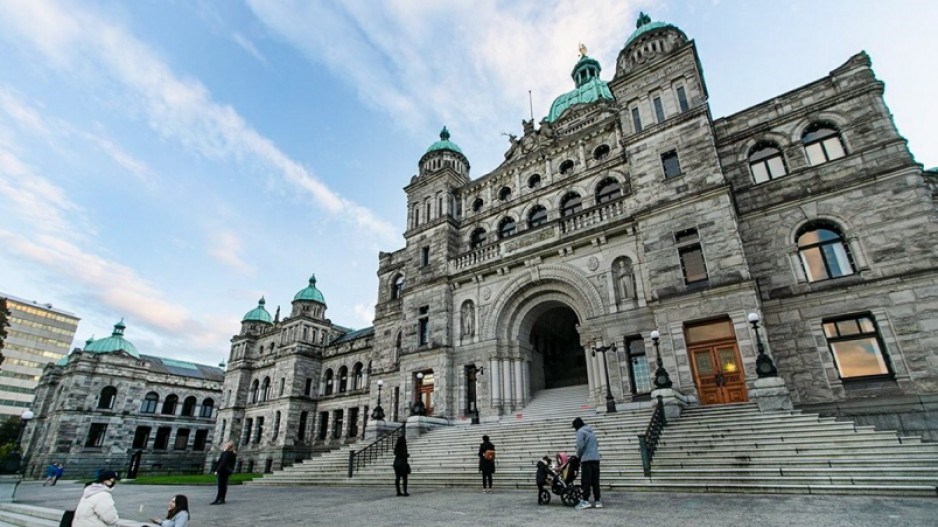
The B.C. government should introduce legislation to ban or significantly limit the use of non-disclosure agreements in gender-based violence cases to address rising misuse, according to a new study by a non-profit legal firm.
The Community Legal Assistance Society released a 108-page study on the issue Monday, June 22 concluding the increased use of NDAs—legal agreements that restrict those involved from sharing information about what happened—contributes to silencing victims.
New legislation should make clear an NDA is invalid if a person was pressured into signing it, and still allow people to report situations to authorities, obtain medical or mental health help, or share information to avoid negatively impacting their future employment, the society recommended.
“Overall, our findings are that most non-lawyers would like to see an outright ban on the use of NDAs, and most respondents—lawyers and non-lawyers—feel that there must be strict, clearly defined limitations on the use of NDAs and exemptions,” read the report.
The study comes after the high-profile case of former Vancouver Symphony Orchestra violinist Esther Hwang, who went public to The Globe and Mail last year with her story of being pressured to sign an NDA to settle a sexual-assault complaint against a male member of the orchestra.
Hwang’s decision to break her NDA publicly to the newspaper, and the VSO’s response to send her a cease-and-desist letter, sparked a national conversation about the rising use and misuse of NDAs. After intense backlash, the VSO agreed to not require confidentiality agreements in future sexual-misconduct cases.
NDAs were historically used in businesses cases to protect corporate interests, but the growing use in other types of cases grew into a public discussion after the #MeToo movement in 2017.
They can be misused to silence people who have been harmed, read the Community Legal Assistance Society report. “Findings from both the existing research and this project’s research indicate that NDAs in cases of workplace GBV have a very negative impact on most complainant.”
While some provinces like Prince Edward Island and Ontario have moved to restrict NDAs, B.C. has not.
Former BC Green leader Sonia Furstenau did introduce a private members’ bill to restrict NDA usage in 2024, but the NDP government did not support it.
B.C.’s Attorney General’s office said it’s considering changes.
“We recognize non-disclosure agreements (NDAs) can be misused, particularly when a survivor feels they have no choice to enter into one, or when the terms of the agreement seek to prevent them from disclosing the harm they suffered to family members, therapists or other trusted advisors,” it said in a statement.
“The Ministry of Attorney General is actively considering legislative options that consider these complex dynamics, while also monitoring developments on this issue in other jurisdictions to see what other measures might help better protect and support survivors of sexual and other forms of harassment, abuse and discrimination.
“We will be reviewing CLAS’s recommendations as part of this work and taking them under consideration.”
The Community Legal Assistance Society report included a survey of lawyers, not all of whom agreed on an NDA ban. In some cases the complainant’s need for privacy could outweigh the public interest to know about the perpetrator’s behaviour, according to survey results in the report.
The report contained several recommendations for WorkSafeBC, employers and the legal community on broader steps to reduce gender-based violence.
The B.C. government itself has also relied heavily on NDAs in recent years as part of policy decisions, demanding people and organizations sign confidentiality clauses to consult with it on any provincial changes.
The government’s rationale, that it is sharing cabinet-level sensitive information, has been particularly controversial during recent Indigenous reconciliation policies, with some groups refusing to sign the NDAs and accusing government of using them to muzzle their criticism.
Rob Shaw has spent more than 18 years covering B.C. politics, now reporting for CHEK News and writing for BIV. He hosts the weekly show Political Capital and has a NEW daily podcast, Political Capital Daily.
[email protected]
New newsletter alert! Stay ahead of the curve in B.C. politics. Get expert political analysis delivered straight to your inbox, plus inside scoops and other stories from across the province. Sign up here for the Capital & Coast newsletter.