dailynewsnblog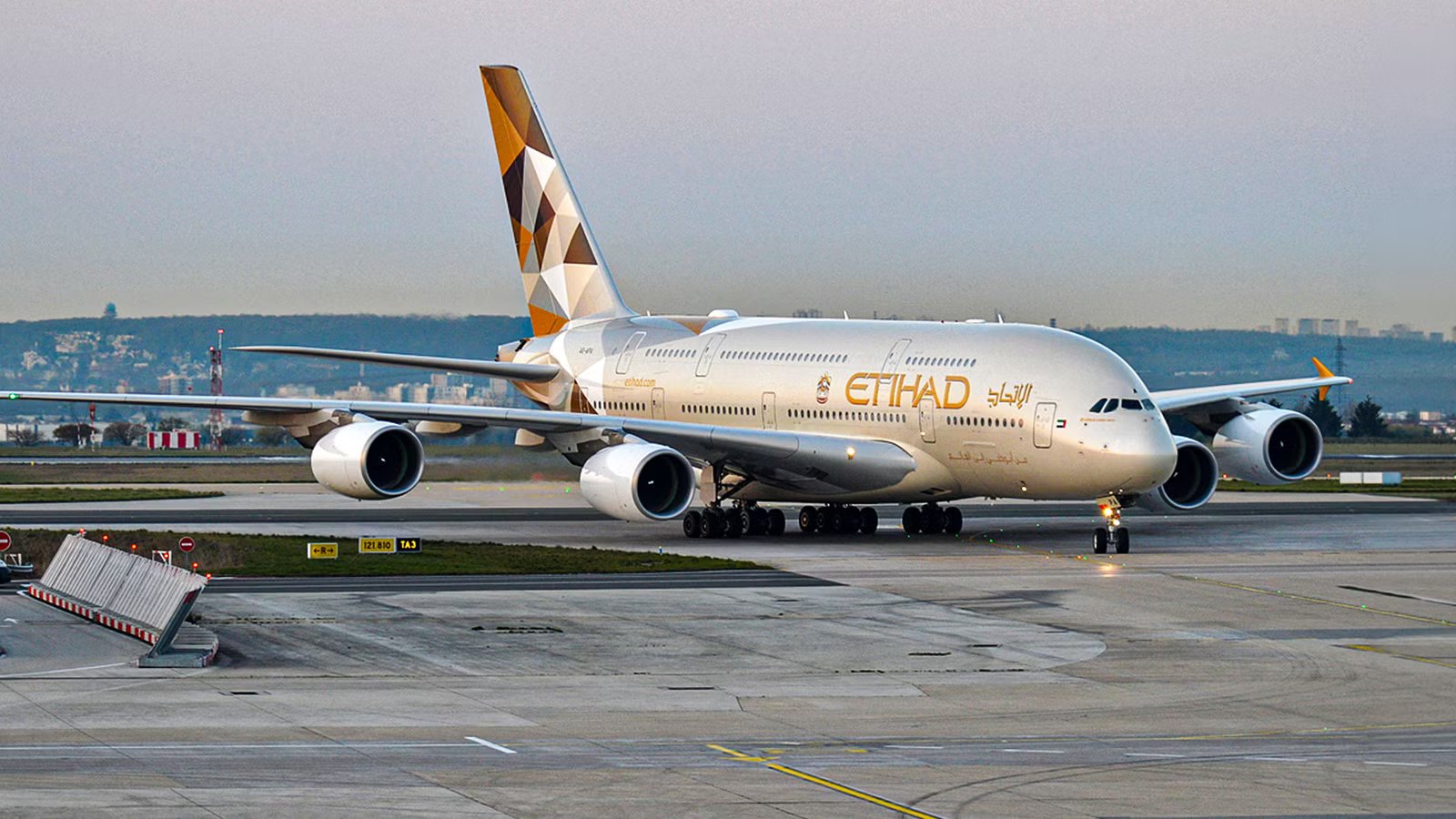
 Etihad Airways is preparing to bring two more Airbus A380s back into commercial service after years in long-term storage, highlighting how severe the global aircraft shortage has become. The return of airframes A6-APC and A6-APB is about far more than simply restarting parked aircraft. Reactivating a superjumbo that has spent nearly six years idle involves months of inspections, structural checks, software updates, engine preservation work, and extensive flight testing before passengers can board again.
The decision reflects a broader shift taking place across global aviation as airlines struggle with delivery delays and a backlog of more than 17,000 commercial aircraft orders. Rather than waiting years for new jets from Airbus and Boeing, carriers are increasingly extending the operational life of existing fleets to maintain long-haul capacity. For Etihad, the economics now favor restoring its old A380s despite high operating costs, especially as demand on premium international routes continues to recover. With plans to keep the type flying until at least 2032, the airline is making a long-term bet that the superjumbo still has a profitable role in modern air travel.
What It Takes To Make A Parked Superjumbo Fly Again

Bringing a parked A380 back into service is an enormous engineering project that can take months to complete. Many of the world’s superjumbos spent years in desert storage during the pandemic, with some airlines initially expecting they would never fly again. As global travel demand recovered faster than anticipated, carriers began reactivating these aircraft to add much-needed capacity on busy long-haul routes.
The process involves far more than routine maintenance. Aircraft that have been stored for extended periods require thousands of hours of inspections, testing, and component replacements before they can safely return to commercial service. Engineers often replace wheels, brakes, oxygen systems, and other time-sensitive equipment while thoroughly checking landing gear, avionics, hydraulics, and engines. Before leaving storage facilities, the aircraft also undergoes engine runs and extensive operational testing.
Industry executives have previously estimated that reactivating a single superjumbo can require around 4,500 hours of labor before it can even fly itself to a dedicated maintenance hub. Even after an A380 is flown out of storage, there is still a monumental amount of work left to be done.
How Much Could This Restoration Cost?

While airlines rarely disclose exact restoration costs, industry estimates suggest the total bill can easily climb into the tens of millions of dollars per aircraft once labor, replacement parts, engine work, testing, and cabin refurbishment are included. Qantas later revealed that returning one of its final stored A380s to service involved more than 100,000 hours of engineering work, calling it the largest maintenance project in the airline’s history. Compared to the initial purchasing cost of about $445 million it isn’t exactly exorbitant, but it is certainly a risk for airlines to be taking.
Simple Flying Quiz
Easy (15s)Medium (10s)Hard (5s)
The financial burden does not end once the aircraft returns to service. As the A380 fleet ages, airlines are facing rising maintenance costs, stricter inspection requirements, and greater competition for parts and workshop space. Bloomberg that regulatory repair directives and operational issues are making the world’s largest passenger jet progressively more expensive to maintain. Even so, many airlines still view the cost as worthwhile because the A380 remains one of the few aircraft capable of adding significant capacity on heavily traveled international routes.
Back From The Desert: How 190 Airbus A380s Became Airlines’ Most Valuable Asset In 2026
This is why some airlines still love the Airbus A380 in 2026, despite production ending years ago.
The Engineering Challenges Behind A380 Reactivation

Shutterstock | Simple Flying
Reactivating an A380 after years in storage poses unique engineering challenges due to the aircraft’s sheer size and complexity. Unlike smaller widebody jets, the A380 contains extensive hydraulic, electrical, and cabin systems that must all be carefully inspected and tested before returning to service. Aircraft stored in desert environments also require detailed checks for corrosion, dust contamination, degraded seals, and damage caused by long periods of inactivity.
One of the biggest challenges involves the aircraft’s four engines and massive landing gear system. Engineers must perform engine runs, replace worn components, inspect fuel systems, and thoroughly test hydraulics and braking systems before the aircraft can safely fly again. Qantas previously revealed that each stored A380 required the replacement of all 22 wheels and 16 brakes before leaving storage, highlighting the scale of the work involved. It is likely that Etihad’s A380s are going to require the same sort of extensive repairs and part replacements.
Cabin systems add another layer of complexity. Premium features commonly found on A380s, including onboard showers, first-class suites, lounges, and advanced inflight entertainment systems, all require recertification and maintenance after years on the ground. According to Airbus, bringing a stored aircraft back into operation also involves extensive software updates, safety inspections, and regulatory compliance checks before the jet can carry passengers again. The result is a restoration process that takes months and requires coordination between airlines, manufacturers, maintenance providers, and aviation regulators.
Why Airlines Are Reviving Widebody Aircraft

The COVID-19 pandemic triggered one of the most dramatic fleet contractions in aviation history, with airlines worldwide parking or permanently retiring widebody aircraft as international travel collapsed. Jets like the Boeing 777, A330, and A380 were grounded in large numbers as carriers rushed to cut costs and match capacity to near-zero demand. Many of these aircraft were stored in desert facilities or scrapped entirely, as the industry assumed long-haul travel would take years to recover.
That assumption quickly changed as passenger demand rebounded faster than expected. International travel has now returned to or exceeded pre-pandemic levels in many regions, while airline capacity has lagged behind due to production delays and supply chain constraints at Boeing and Airbus. This imbalance has left carriers with too few aircraft, forcing them to reconsider earlier retirement decisions and bring widebody jets back into active service to meet demand.
The shortage has been exacerbated by record aircraft backlogs and slow delivery schedules, making new fleet expansion difficult. As a result, airlines are extending the life of older widebody aircraft, reactivating stored jets, and using larger aircraft on routes where they would previously have been phased out. In many cases, reviving retired aircraft has become one of the few viable ways to restore capacity quickly enough to match strong, sustained global travel demand.
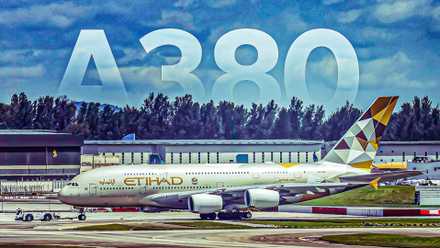
Back From The Brink: Etihad’s Forgotten A380 Finally Flies Again
A long-awaited return for another one of the UAE flag carrier’s superjumbos.
How Global Aircraft Shortages Changed Fleet Strategy

Many airlines planned to retire older aircraft after the pandemic, but ongoing aircraft shortages have forced a major rethink across the industry. Etihad is one example, as the carrier now plans to return two more A380s to service despite originally grounding the fleet during COVID-19. The airline’s eighth A380 will return in June 2026, followed by a ninth in early 2027.
The shift is largely being driven by delays at Airbus and  Boeing, as well as broader supply chain problems affecting aircraft parts and production. Airlines are facing record order backlogs while passenger demand continues to grow, particularly in the Middle East. With new aircraft arriving later than expected, many carriers are extending the life of older jets, refurbishing existing fleets, and leasing additional aircraft to maintain capacity.
For Etihad, bringing back more A380s also supports its expansion strategy as the airline adds new international routes and carries record passenger numbers. The superjumbo remains valuable on high-demand long-haul routes due to its large capacity and premium cabins, including The Residence and the First Class Apartments. While the A380 was once viewed as an aircraft of the past, ongoing delivery delays have given the jet an unexpected second life at several global airlines.
The Future Of Etihad’s A380 Fleet

Etihad Airways plans to keep its A380 fleet in service until at least 2032, according to One Mile At A Time. The airline currently operates four A380s on routes from Abu Dhabi to London, New York, and Paris. While Etihad originally intended to retire the aircraft during the pandemic, the superjumbo returned to service in 2023 due to strong demand on key long haul routes.
The A380 remains especially important for Etihad because of its premium cabins. The aircraft features The Residence, a private three-room suite, and nine First Class Apartments, considered among the best first-class products in commercial aviation. Keeping the jets flying allows Etihad to maintain a flagship experience that smaller widebody aircraft cannot fully replicate.
Etihad’s timeline closely matches Emirates, which also expects to begin retiring A380s around 2032. As airlines shift toward more efficient aircraft like the A350 and 777X, the A380’s role in global aviation is gradually shrinking. Even so, the aircraft continues to stand out for its unmatched passenger space, premium amenities, and iconic status among travelers.