dailynewsnblog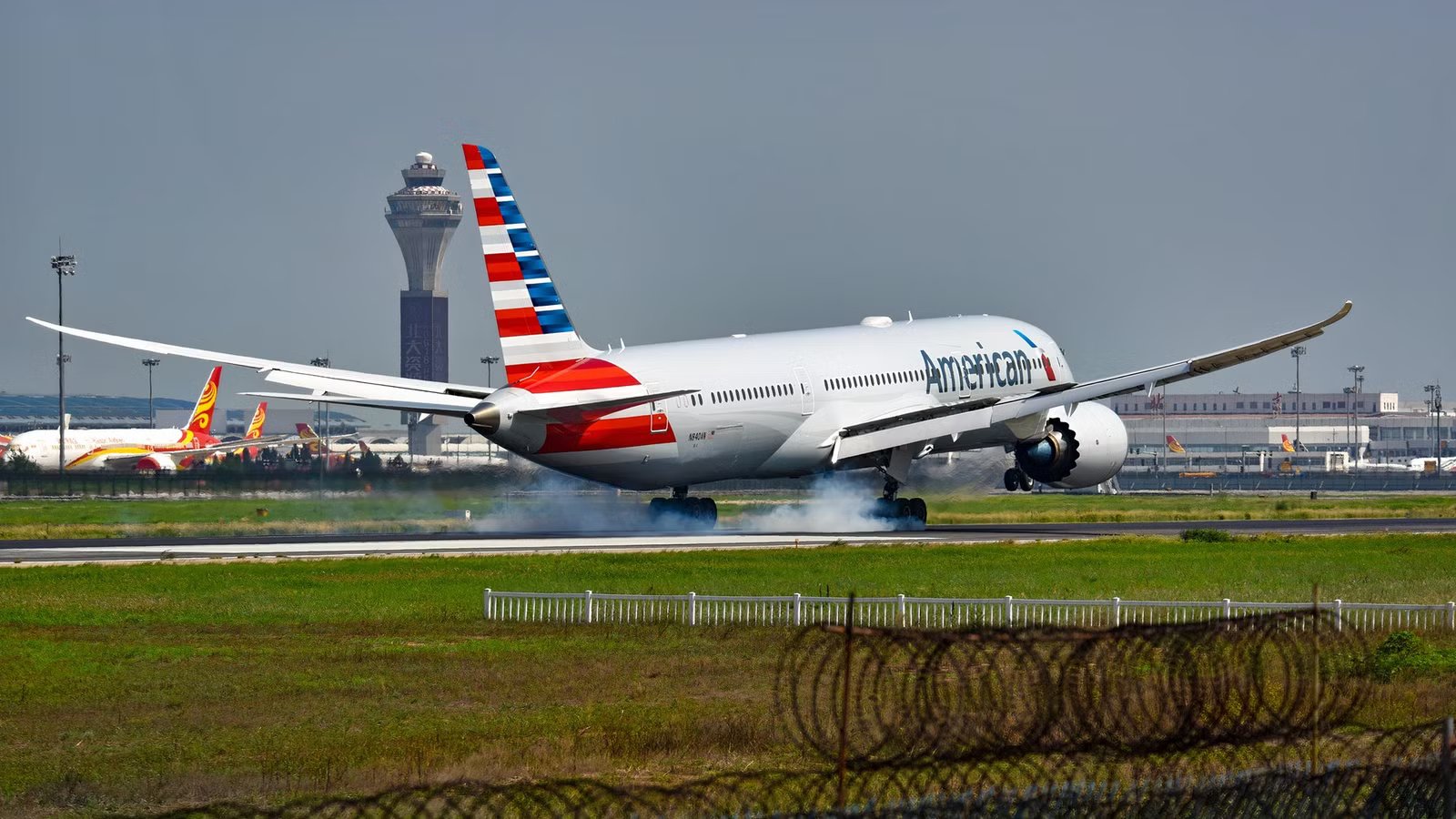
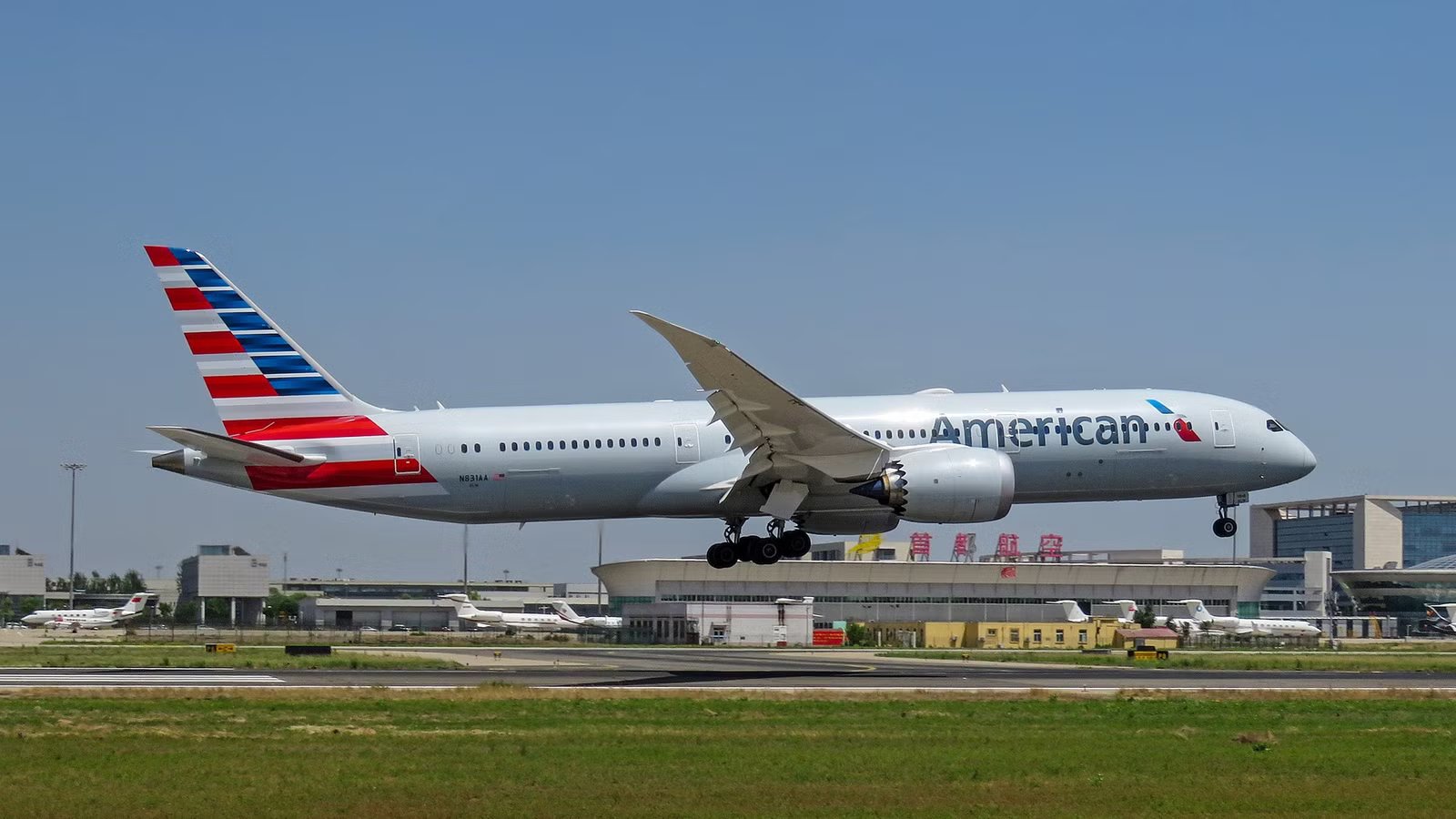
 American Airlines has reportedly acknowledged that aircraft delivery delays forced it to scale back its planned international expansion for summer 2027, limiting the number of new long-haul routes it could add. The airline had expected to have enough additional aircraft to support as many as 13 new long-haul routes, but delays from
  Boeing and Airbus reduced the number of aircraft available for network growth.
The final schedule includes seven new international routes and one restored service, giving American a considerably smaller expansion than it had envisioned earlier this year. The additions include three new European routes from  Philadelphia International Airport (PHL), two new European routes from
  John F. Kennedy International Airport (JFK), and one from
  Charlotte Douglas International Airport (CLT). The sole Asian route is from
  Chicago O’Hare International Airport (ORD) to Tokyo. American will also restore a fourth daily flight between JFK and London Heathrow Airport (LHR).
Aircraft Shortages Limit Network Growth

American’s network planning team had been preparing for a much larger expansion. Brian Znotins, the airline’s Senior Vice President of Network Planning, explained in an exclusive interview for AirlineGeeks.com that the carrier had anticipated having approximately 13 additional long-haul aircraft available year over year. By the time the 2027 schedule was finalized, delivery delays had reduced that expected increase by five aircraft.
Znotins said American had been disappointed with both Boeing and Airbus over continuing delivery problems. The shortage left the airline with fewer aircraft than planned at a time when international demand remains a significant area of competition among major US carriers. The consequences extend beyond the number of destinations American can announce. Long-haul aircraft require substantial capital commitments, and each additional international route needs an aircraft available for the entire rotation. A missing aircraft can therefore prevent a route from launching even when the underlying market opportunity appears attractive.
New Routes Still Expand American’s Reach

Despite the reduction, American is adding several strategically significant destinations. Philadelphia will gain the airline’s first nonstop service to Vienna and Porto, while Reykjavík will return to the carrier’s network after American last served Iceland in 2019. JFK will gain service to Amsterdam and Nice, while Charlotte will receive a new connection to Barcelona. O’Hare will also gain a nonstop route to Tokyo Narita beginning March 19.
The selection demonstrates how American is using its available aircraft to pursue markets with different strategic purposes. Vienna and Porto expand the airline’s European footprint from Philadelphia, while Narita strengthens Chicago’s broader international network. The restored Reykjavík service also gives American another opportunity to capitalize on seasonal leisure demand. American will also restore a fourth daily JFK-London Heathrow flight, a high-traffic route. Its partnership with British Airways provides connectivity beyond London, allowing the additional frequency to support a broader European network rather than functioning only as a standalone route.
A321XLR Provides Some Flexibility

The Airbus A321XLR is central to several of the new routes because its extended range allows American to operate thinner transatlantic markets without assigning a widebody aircraft. The aircraft will serve new services from JFK to Amsterdam and Nice, as well as Philadelphia to Vienna and Porto. However, American’s ability to deploy the XLR is itself constrained by aircraft availability. The PHL-KEF route will instead use an Airbus A321neo because American does not have enough A321XLR aircraft available for the entire planned network. The airline has also indicated that the XLR’s actual operating range is somewhat lower than originally expected, adding another consideration when assigning the aircraft to long-haul missions.
The immediate effect is a smaller international expansion than American had hoped to deliver in 2027. Longer term, the carrier is still pursuing fleet growth. American has said it expects to increase its international-capable fleet from 139 aircraft to approximately 200 by the end of the decade, while it evaluates additional widebody aircraft from Boeing and Airbus. The reduced 2027 schedule therefore reflects a fleet constraint rather than a retreat from international growth. American’s ability to convert its longer-term ambitions into new routes will depend heavily on whether manufacturers can deliver the aircraft on schedule.