dailynewsnblog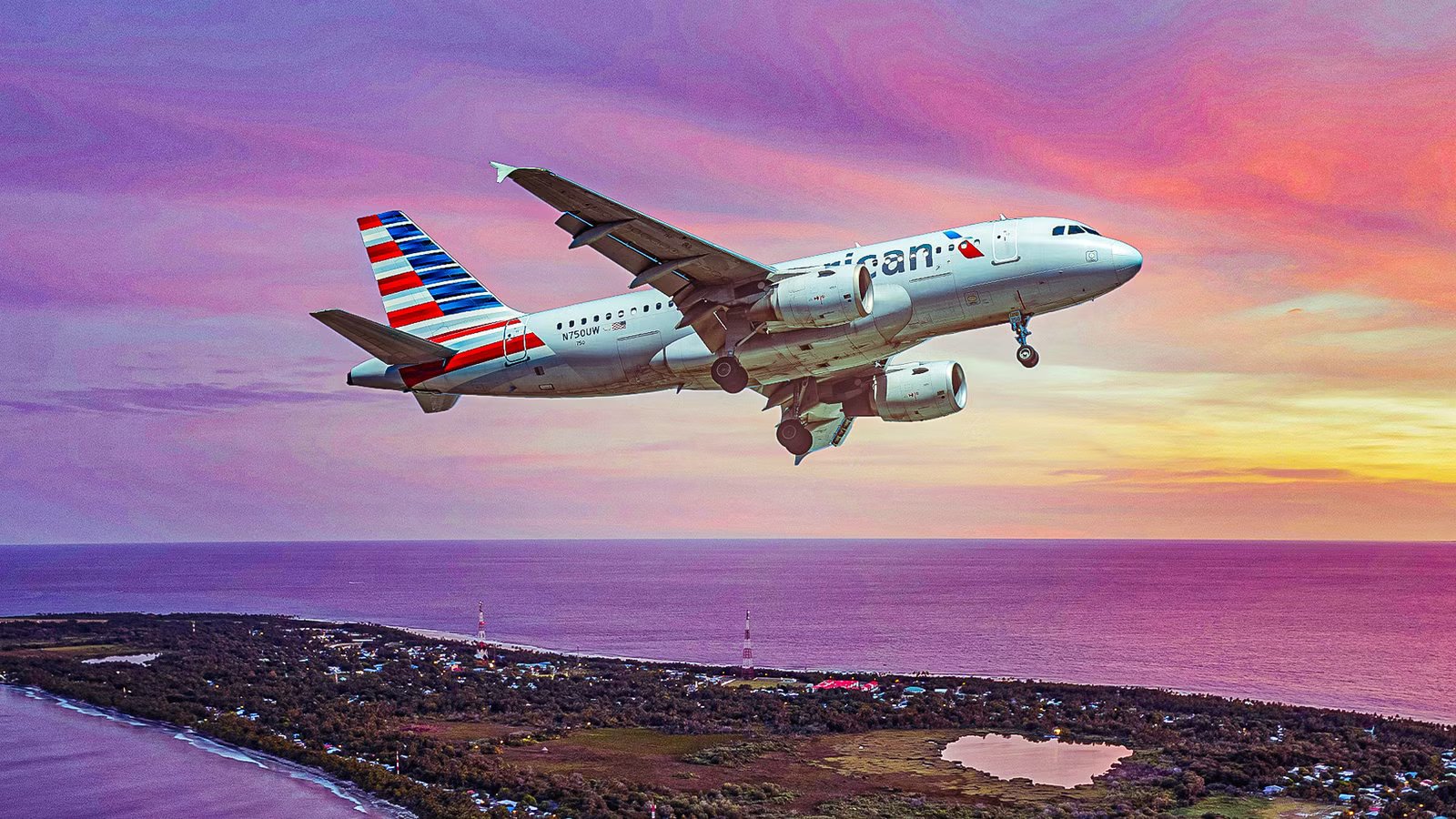
 American Airlines is pushing ahead with one of the more interesting cabin retrofit programs in the US airline industry. The carrier has confirmed that its Airbus A319 and Airbus A320 aircraft are being refreshed with more premium seating, updated finishes, larger overhead bins, new power options, enhanced mood lighting, and cabins designed to look more like the airline’s newest Boeing 787-9 and Airbus A321XLR aircraft.
On paper, this is an obvious step forward. American says it is responding to customer demand for more premium seats, and it is not alone in chasing higher-margin onboard products. But the aircraft being refreshed are among the oldest narrowbodies in American’s fleet, and the details of the retrofit raise a more complicated question: is this a genuine upgrade for customers, or simply a way to squeeze more revenue out of a mature aircraft?
American Is Adding First Class Seats To Its A319s And A320s

American currently operates 132 A319s and 48 A320s, giving it a total of 180 aircraft that will be a part of the retrofit. The A320s are especially notable because they are among the oldest aircraft in American’s mainline fleet, averaging 25.2 years old, with the oldest at 28.5 years. The A319s are slightly younger on average at 22.2 years, with the sub-fleet split between older aircraft that previously flew for America West Airlines and US Airways, and a smaller group of legacy American aircraft delivered from 2013 onward.
That origin story matters because the aircraft are not all starting from the same point. Those legacy American A319s were originally marketed as a modern product, complete with in-seat entertainment, USB ports and universal power. Now, some of those same aircraft are being pulled into a cabin program that removes seatback entertainment in favor of personal-device streaming.
American Airlines says that the retrofit is part of its “continued investment in the customer experience”, and that the refreshed aircraft will feature a new premium cabin seat with privacy wings, additional storage space and two cocktail trays. The broader cabin refresh adds larger overhead bins, updated trim and finish, enhanced mood lighting, and multiple power options at every seat. American has also said that A319 and A320 aircraft will receive Starlink service from 2027, supporting the airline’s broader plan to offer fast, free WiFi to AAdvantage members.
Aircraft | Before retrofit | After retrofit | Main change |
|---|---|---|---|
Airbus A319 | 8 First, 24 Main Cabin Extra, 96 Main Cabin — 128 total | 12 First, 24 Main Cabin Extra, 96 Main Cabin — 132 total | Adds 4 First Class seats; total seat count rises by 4 |
Airbus A320 | 12 First, 18 Main Cabin Extra, 120 Main Cabin — 150 total | 16 First, 33 Main Cabin Extra, 101 Main Cabin — 150 total | Adds 4 First Class and 15 Main Cabin Extra seats; total unchanged |
American has not publicly disclosed when the retrofit will be completed, but it is already running behind schedule. The airline previously said the work would begin in 2025 and linked the refresh to a broader goal of growing premium seating by more than 20% by 2026. However, the first retrofitted A319, N9002U, only entered service earlier this year as the prototype aircraft, and American now says that passengers will begin seeing the refreshed aircraft “starting this summer”.
Why The “Upgrade” Comes With Some Obvious Criticisms

American Airlines’ refresh plan has not been without its critics. The most obvious criticism is the lack of seatback screens. American is adding USB-C power, refreshing the cabin and preparing the aircraft for Starlink, but it is still betting on passengers preferring personal-device entertainment rather than restoring built-in screens. That is especially striking for the legacy American A319s, because those aircraft originally entered service with seatback screens, which was touted as one of their stand-out features.
The second major criticism is that this is not simply a beautification project. On the A319, American is adding four First Class seats without cutting the number of main cabin seats. That means the cabin gains capacity overall, increasing from 128 to 132 seats. Naturally, this means a reduction in seat pitch, most notably in First Class.
But American has also made space for this extra row by converting to a far more compact rear galley and lavatory arrangement. This creates a far tighter working space for flight attendants and nowhere for them to sit, while also adding more congestion around the rear lavatories. That may not show up in a glossy cabin image, but it will undoubtedly affect the onboard experience — for both passengers and crew — on a full flight.
Criticism | Why it matters | American’s likely counterpoint |
|---|---|---|
No seatback screens | Passengers must use their own devices for entertainment. | Starlink, power and USB-C make personal-device entertainment easier. |
A319 First Class pitch drops | The premium cabin grows, but space per seat is reduced. | More First Class seats improve upgrade chances and premium availability. |
A319 total seat count increases | The aircraft becomes denser overall. | Larger bins and updated interiors may improve perceived comfort. |
Compact rear galley/lavatory layout | Crew workspace and rear-cabin flow suffer. | Space-efficient layouts allow more premium seats without removing economy. |
Premium focus may not help thr Main Cabin enough | Economy passengers get new finishes, but not a fundamentally better seat. | Power, WiFi and bins are meaningful everyday upgrades. |
To be fair, the retrofit is not without real passenger benefits. Larger overhead bins can materially improve boarding, especially on full narrowbody flights. Power at every seat matters more than ever when airlines rely on personal devices for entertainment. A refreshed cabin can make an older aircraft feel significantly better than its age suggests. But the criticisms are still valid because American is using the language of premium enhancement while making choices that many travelers associate with cabin densification.
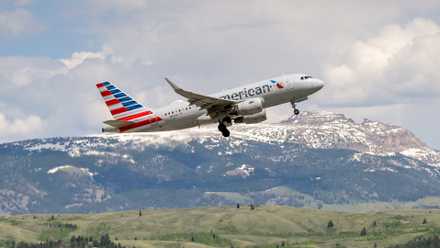
More Premium: American Airlines’ 1st Retrofitted Airbus A319 Enters Service This Weekend
While the aircraft has an expanded first class cabin, it is no longer equipped with seatback entertainment.
A Stark Contrast With United In The Competition For Premium

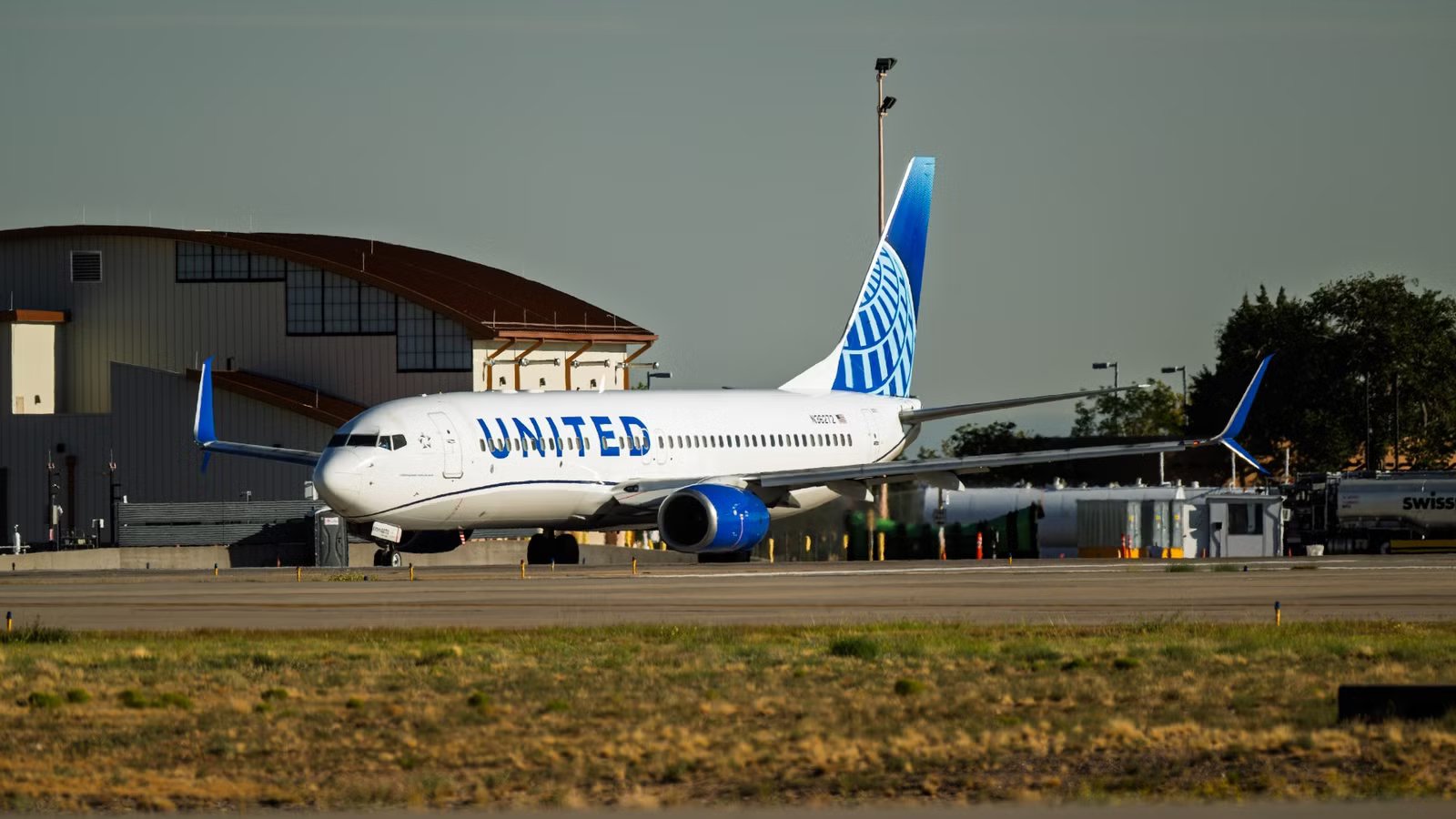
American is not the only US carrier trying to squeeze more revenue from premium cabins.  United Airlines has also made premium seating a major part of its strategy, particularly through its United Next program and its growing fleet of new Airbus A321neos and Boeing 737 MAX aircraft.
The difference is that United has paired its premium-seat push with a more visible passenger-facing upgrade across the full cabin. This includes larger overhead bins, Bluetooth connectivity, and faster WiFi with a far more aggressive Starlink rollout. Crucially, it also means enhancements to seatback screens.
That last point is where American’s retrofit looks weakest. American is adding First Class seats and modernizing older A319s and A320s, but it is still relying on personal-device entertainment. United, by contrast, is leaning into seatback screens and curated entertainment as part of its brand identity, arguing that passengers should not have to use their own phone, tablet or battery life to get a full onboard entertainment experience. For travelers, especially those in Main Cabin, that makes United’s retrofit feel more like a genuine all-cabin upgrade, while American’s looks more like a revenue-focused rework.
The conclusion is not that American’s retrofit is meaningless. More First Class seats, larger bins, USB-C power, updated finishes and future Starlink connectivity are all real improvements. But compared with United, American’s approach is far narrower. It is playing catch-up up in the race for premium revenue, and not exactly redefining the onboard experience. For passengers, that means the refreshed A319s and A320s may look better and sell more premium seats, but whether they feel like a true upgrade will depend heavily on where they are sitting.