dailynewsnblog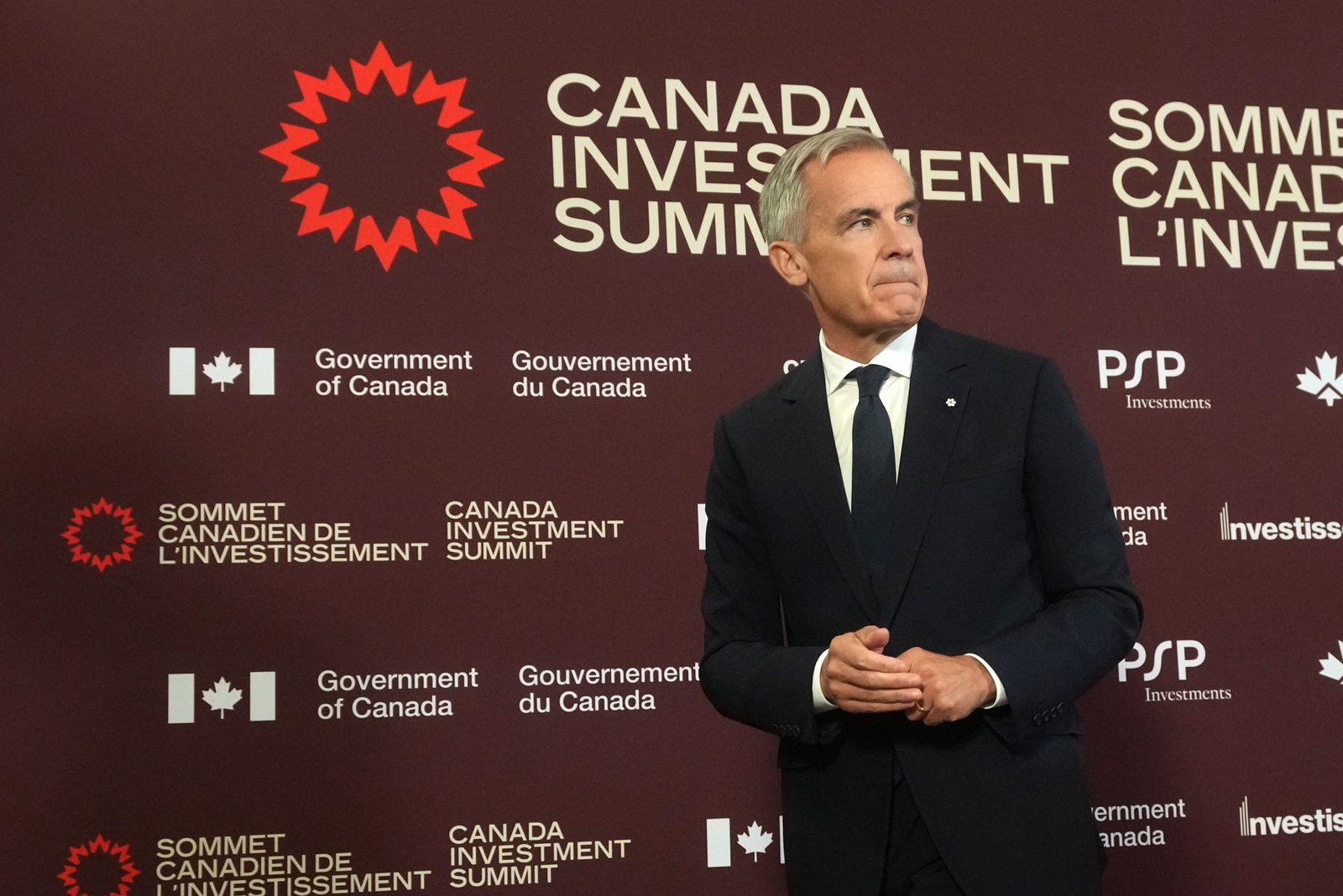
The federal government is inviting private investors to take over operations at Toronto Pearson, Montreal, Calgary and Vancouver airports.
Canada will privatize major airports and broaden tax breaks for business investment, the government announced Tuesday as it courts global capital.
The Carney government first explored airport privatization in Budget 2025 as a potential revenue source for the Canada Strong Fund.
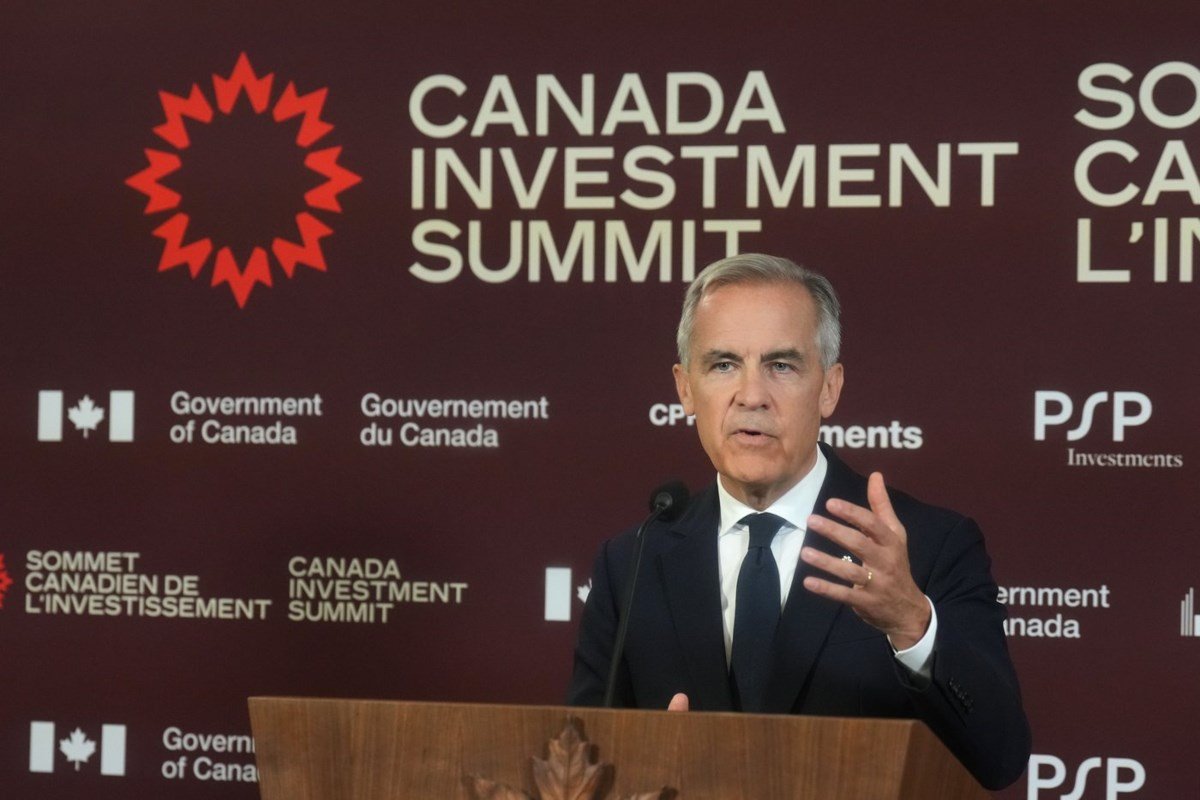
At the investment summit, it confirmed plans to raise tens of billions through long-term concessions on four major airports — Toronto Pearson, Montreal, Calgary and Vancouver — with both Canadian pension funds and global investors eligible to bid.
Under the model, Ottawa retains ownership of the land and assets while private operators keep the profits generated.
Opposition critics worry that private operators motivated by profit could raise travel costs.
“Privatizing airports is a terrible deal for travellers, workers, and the public purse,” NDP leader Avi Lewis said in a statement. “This is a mistake we do not need to make.”
“There is a high risk that privatization will drive up ticket prices,” reads part of a statement from the Bloc Québécois.
Carney pushed back on the idea that the move would make travelling more expensive.
“There are several aspects to an airport… restaurants, store, and the management of that aspect is very important,” he told reporters. “There’s a yield from that, it has nothing to do with the price of tickets.”
He also suggested to revenue from concessions could eventually be reinvested into smaller regional airports.
“We have a need to invest in the transportation sector, especially in regional airports…and through this process, we will have the funds to do that.”
READ MORE: Ottawa has yet to borrow the seed money for Canada Strong Fund as rates climb
How this would happen is unclear. The Canada Strong Fund, still in early stages, is mandated to pursue commercial returns, which would be a tall order for smaller airports.
The Carney Liberals did not specify when the legislation on airport privatization would be tabled, but one caucus source suggested it could include guardrails to protect consumers.
iPolitics is not naming them as they were not authorized to discuss the matter publicly.
Productivity super deduction likely means billions in foregone revenue: source
The second major announcement Tuesday locks in and expands the ‘productivity super-deduction’ introduced in the last federal budget, which allows immediate expensing on a broad range of assets.
This recent expansion adds fibre-optic cable, mining property, oil and gas pipelines, software, research and development, computer equipment, aircraft, vehicles, patents, rail track, bridges, and roads to the list.
Immediate expensing allows taxpayers to fully write off the cost of an investment in the year that it becomes available for use. This means that in later years, taxable income runs a bit higher than it otherwise would, meaning the total amount of tax paid remains the same either way.
But shifting deductions earlier is more valuable to investors because a dollar deducted today is worth more than the same amount deducted in the future.
Business groups including the Canadian Chamber of Commerce, Canadian Council for Business and Canadian Mining Association hailed the announcement, fulfilling their long calls for a permanent, broader super-deduction.
A Liberal source told iPolitics the expansion will cost the government tens of billions in foregone revenue, though the actual figure is difficult to pin down because it depends on how much additional investment the policy ends up generating.
When asked by a reporter how Canada would avoid a tax race to the bottom with the U.S., which is also cutting its marginal effective tax rate, Carney said Canada needed a clear competitive advantage.
“If we’re in a race, two things: one, we’re ahead on the incentives, but we have ground to catch up,” he said.
Yrjo Koskinen, director of research at the Institute for Sustainable Finance, told iPolitics the policy is inherently risky.
“Risky is not necessarily bad. There’s no guarantee that government revenues will increase in the long run — it would require a massive increase in investments, but that’s what they are hoping for,” he said.
“But this is really showing that the federal government is all in.”