dailynewsnblog
The opaque method of targeting offered by OpenAI, coupled with the vast amounts of personal detail that users willing volunteer, leaves miles of room for less privacy and consumer protection.
Early this year, ads began appearing in ChatGPT for users in Canada. OpenAI is following a path well-trodden by its Silicon Valley peers, but AI is far more powerful than the platforms that came before it, and unless advertisers, regulators, and users demand guardrails, all signs are pointing towards a future in which AI platforms listen carefully to the conversations we have with it, and play on our vulnerabilities to sell us more of everything.
I have a front row seat to the roll out in my role as an advertising executive. Right now, my team is setting up ChatGPT advertising campaigns for multiple clients. I have seen how ChatGPT plans to deliver impact via paid media and the devil is in the detail – or more accurately – lack thereof.
On most platforms, advertisers largely choose demographic targets. On Meta, for instance, we could show our ads to women born in the 1990s who live in the Greater Toronto Area, based on information users volunteer to the platform.
On ChatGPT, advertisers are given a box labelled “Context hints (optional): describe the conversations, topics, or keywords where your products or services may be relevant.”
Unlike other digital advertising platforms there is no demographic, interest, or keyword targeting. What we type into the box is freeform — it’s not datasets, it’s vibes.
I could write something like: conversations about overdue bills, being broke or making rent.
In return, I get ad-sales information like cost. I don’t know how or why OpenAI is choosing the ad audience it’s choosing. That means only people who know the inner workings of ChatGPT’s code knows just how much your secrets are being harvested.
Perhaps people who have used an AI chatbot to try to sort out a tight financial situation are then served ads about payday loans, credit counselling or making a fortune with online gambling.
“Our ads system…considers multiple signals, including the context and intent of your current conversation…and, when ads personalization is enabled, select signals from your broader ChatGPT experience,” claims the platform in its own help centre, which also carries the disclaimer. “ChatGPT may use memories and reference recent chats when selecting an ad.”
My concern is that the opaque method of targeting offered by OpenAI, coupled with the vast amounts of personal detail that users willing volunteer, leaves miles of room for less privacy and consumer protection.
Plus the temptation to sell the most powerful persuasion tool.
There’s nothing stopping AI companies from selling access to the chat responses.
Imagine again that user who shares details of their financial situation with an AI chatbot. Imagine the chatbot gives advice on saving money, advice on repairing weak credit, and suggests the user go get a payday loan. It could even include directions to the nearest Payday Loan Co. (without disclosing that Payday Loan Co. is an advertiser.)
This is a potent medium. Unlike social media, chatbot interactions carry a mirage of confidentiality and the visage of a trustworthy advisor. The data harvested is more valuable to advertisers, and the voice of a trusted chatbot — increasingly seen by so many of us a confidante, advisor and source of truth — could be invaluable to advertisers.
OpenAI CEO Sam Altman has said the company will “not accept money to influence the answer,”
There is nothing, yet, that suggests it will.
But if Altman changes his mind, or any AI company crosses that line, they’re opening the door to powerful persuasion, delivered one-to-one, tailored in real time, by a system with instant recall of every vulnerability you’ve confided to it.
OpenAI assures us sponsored content sits apart from the bot’s responses. However, history tells us how durable this approach may be. Google’s search ads began as shaded boxes marked “Sponsored Links” but 20 years later, they are much less distinguishable from the organic listings.
Canadian legislators should require OpenAI to provide full transparency on how and why ads are served to users. They must also be required to maintain a clear wall between advertising content and organic output. Otherwise, the future of AI could mean ads don’t just interrupt your chat — ads could be controlled by your private exchanges, or even control them.
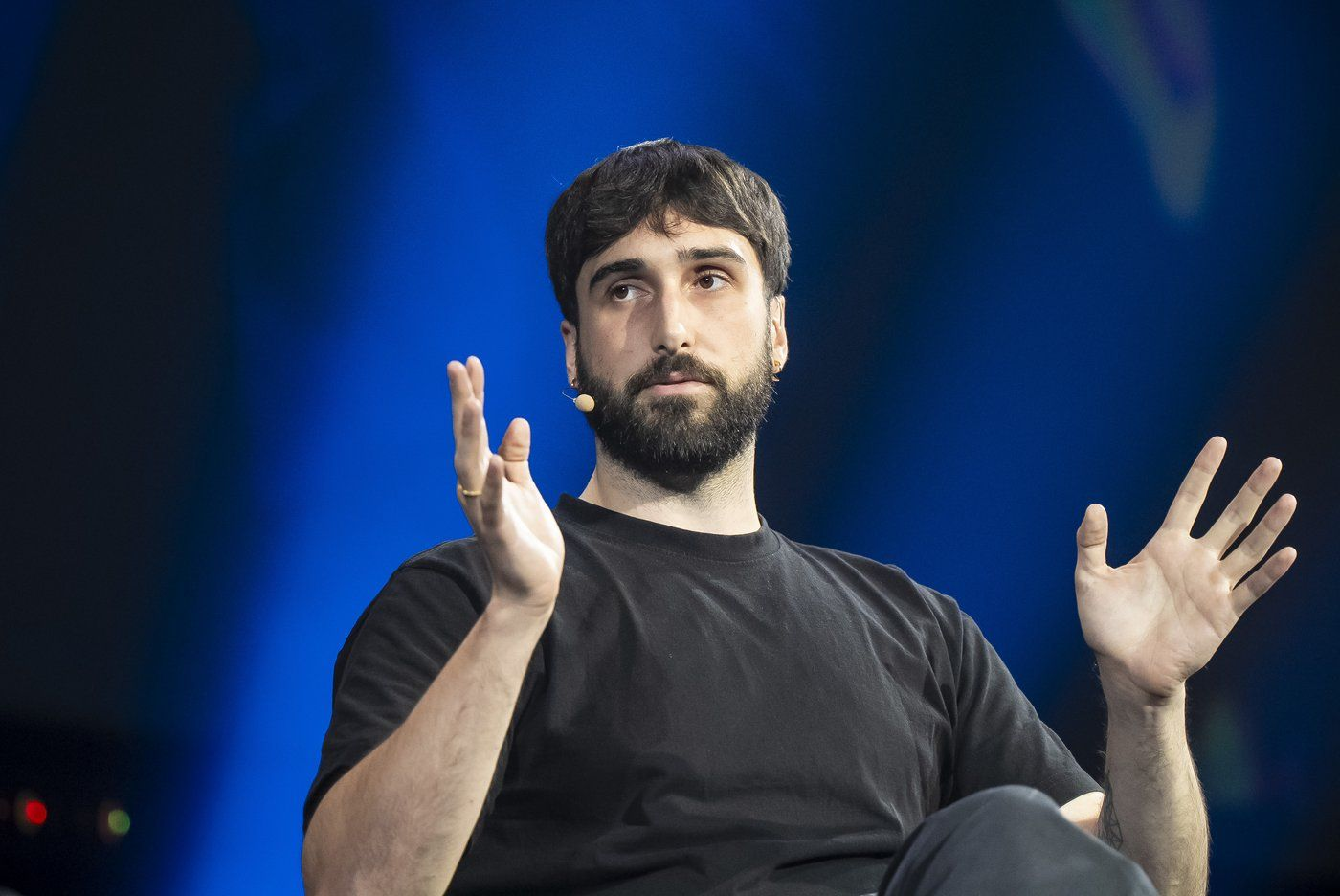
Danny O’Brien is the vice-president of Guru Communications, a BC-based advertising firm.
The views, opinions and positions expressed by all iPolitics columnists and contributors are the author’s alone. They do not inherently or expressly reflect the views, opinions and/or positions of iPolitics.