dailynewsnblog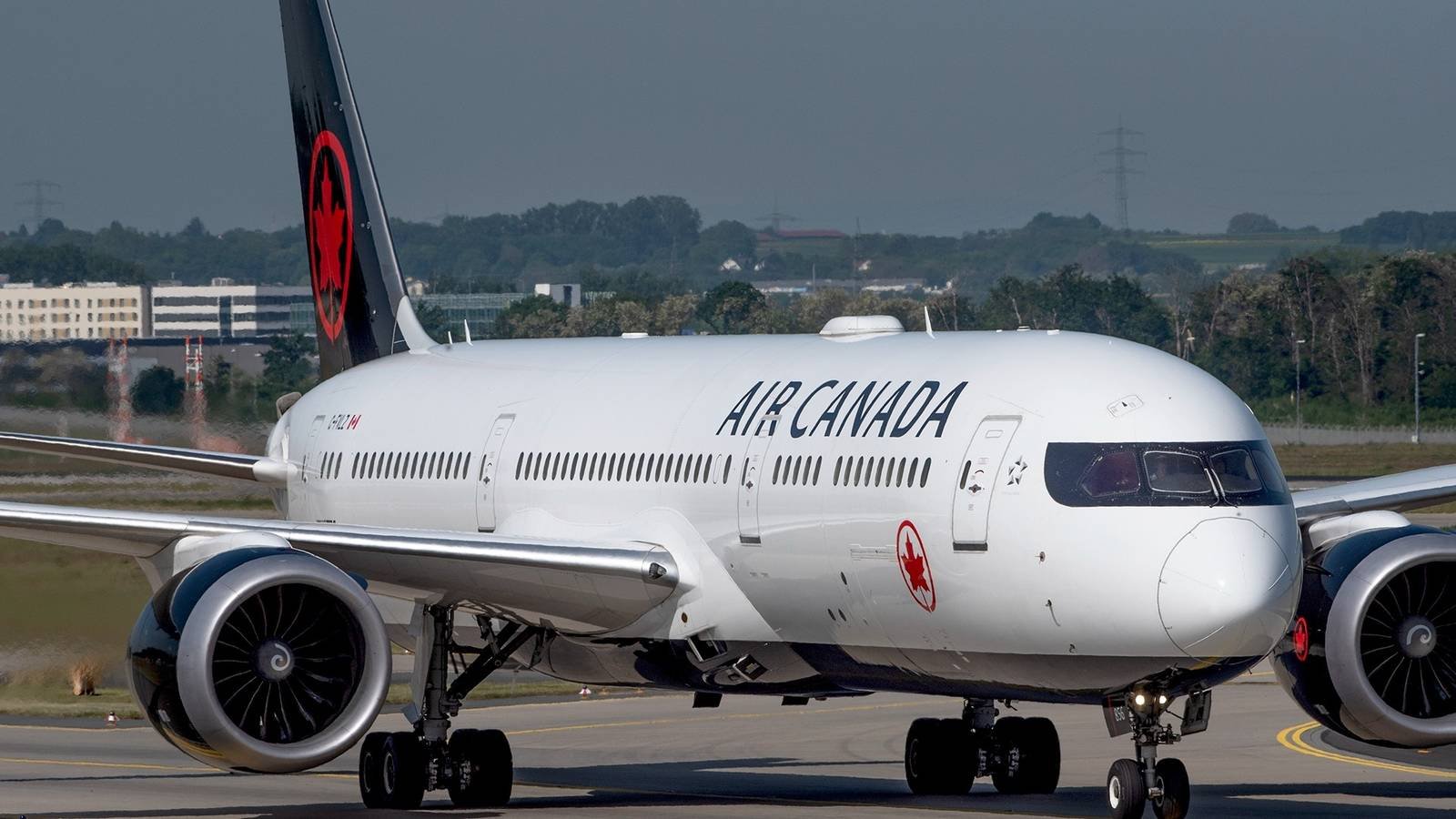
Canadian flag carrier  Air Canada has quietly increased its widebody operations to the United States by 35% when compared to the same time last year. While this is only on two routes, it’s pretty exciting to see that the airline is increasing capacity south of the border, with aircraft which would usually be seen on long-haul international or popular domestic routes.
Using data from Cirium, an online aviation analytics company, Simple Flying can see that this coming Q3, over what is usually the busiest time of year to travel ( summer), AC will fly a total of 188 one-way (double for return) trans-border routes with its widebodies, an increase of 49 flights when compared to 139 one-way services this quarter last year.
Daily Boeing 787-9 Flights From Vancouver To Newark

In these numbers, AC will fly a daily service between Vancouver International Airport (YVR) in the west and  Newark Liberty International Airport (EWR). The flight, which covers a distance of 2,961 miles (4,766 km), has an approximate flight time of just over five hours. The flights have a morning departure from Vancouver, with a late afternoon arrival in the Big Apple.

Air Canada faces direct and indirect competition on the route, with JetBlue maintaining a year-round service from Vancouver to  New York JFK Airport (JFK), while
  United Airlines also flies seasonally to Newark. Air Canada route details below:
Route | Start Date | Frequency | Aircraft | Distance | Competitors |
|---|---|---|---|---|---|
Vancouver (YVR) | Newark (EWR) | Daily | Boeing 787-9 | 2,961 miles (4,766 km) | JetBlue (JFK), United Airlines (EWR) |
Double Daily Flights To Los Angeles

In addition to Vancouver, AC will fly several different widebody aircraft between Toronto (YYZ) and Los Angeles International Airport (LAX) this summer season. On select days, there will be double daily services with either the 787-8, 787-9, or 777-200LR. The route from Toronto to Los Angeles is one of the most popular trans-border routes from the Canadian airport.

Non-stop flights between Toronto and Los Angeles are operated by either Air Canada or Porter Airlines (the latter with the Embraer E195-E2). The flights cover a distance of 2,172 miles (3,494 km) and take up to five hours. This summer season, passengers will either fly on the airline’s narrowbody planes on select flights or on three different types of its widebody fleet.
Route | Start Date | Frequency | Aircraft | Distance | Competitors |
|---|---|---|---|---|---|
Toronto (YYZ) | Los Angeles (LAX) | Up to two daily | Boeing 787-8, 787-9, 777-200LR | 2,172 miles (3,494 km) | Porter Airlines |

Air Canada’s Massive 440-Seat Boeing 777: See All 8 Routes Now [Full List & Map]
Recently reduced from 450 seats, the new configuration operates domestically and internationally. Find out more here!
Air Canada Trans-Border Widebody Operations In 2025

Using the data from Cirium, we can see that Q3 2025 had a total of 139 widebody flights operated by Air Canada to the United States, where the majority of these services were again between Toronto and Los Angeles. A select few dates were double-daily, where across the season the airline flew the same aircraft variants as this year (787-8, 787-9, and 777-200LR). While the majority of these flights were double-daily, it highlights the demand for travel between the two cities.

It’s important to understand that the market to Los Angeles is not just for point-to-point travel, but feeds into wider domestic and international networks, with LAX remaining one of the country’s busiest international hubs. Passengers can easily connect to airlines to Mexico, Asia, the Pacific, and beyond.
Last year also saw the Airbus A330-300 operate for Air Canada on select dates in July and August from Montréal–Trudeau International Airport (YUL) to Los Angeles; but this route is not featured this year with the airline’s widebody. As demand for travel between Canada and the United States begins to thaw, it is clear that Air Canada is waiting and ready to increase capacity on key routes.
This summer, Air Canada will operate more flights to the US versus 2025, but still sits at less than half of the 452 in 2022 following the COVID-19 pandemic, or its all-time high of 1,254, which was reached in 2019.