dailynewsnblog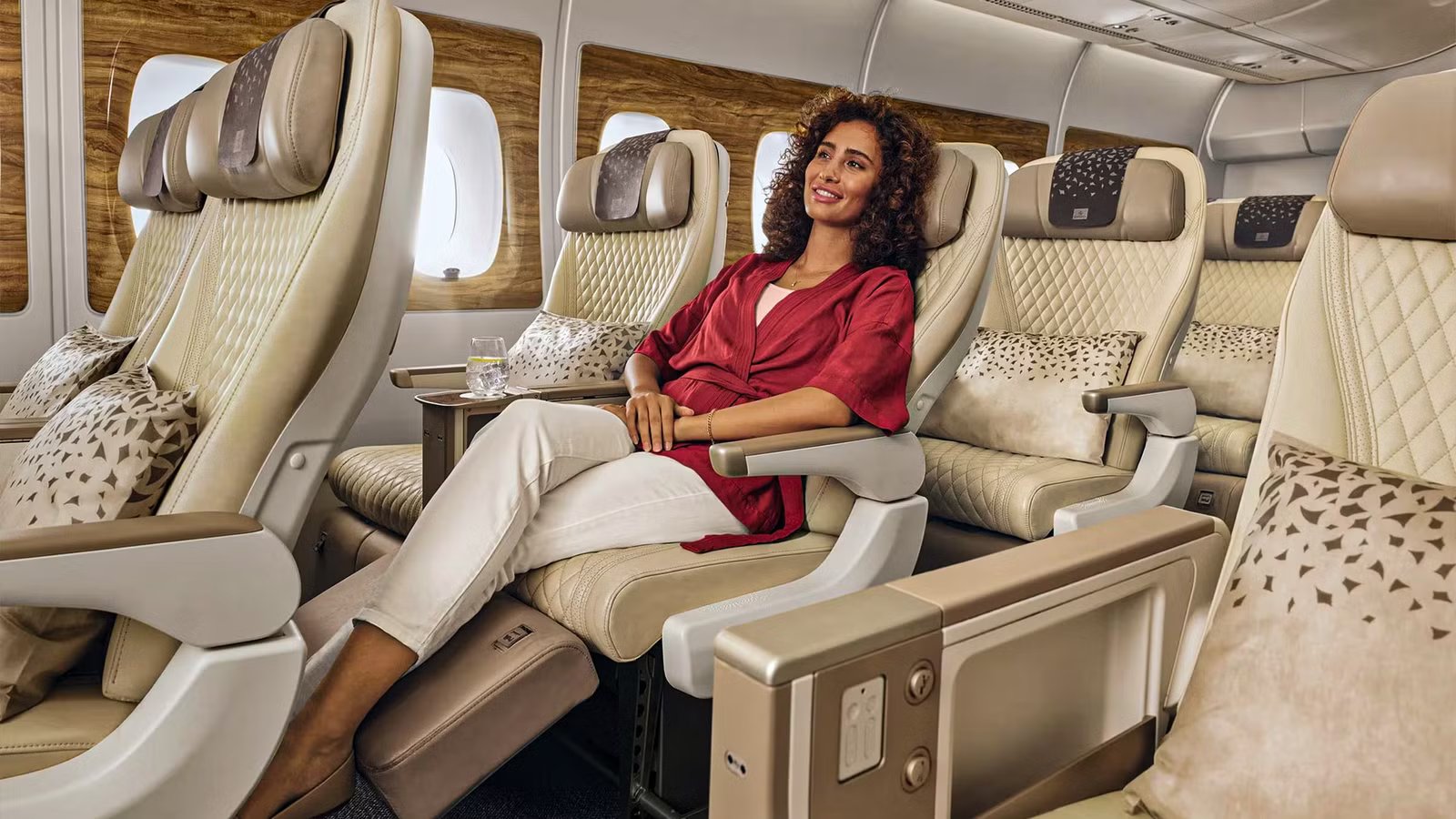
Premium economy has gone from a niche cabin that many airlines barely bothered with to one of the most important parts of the long-haul market. What once felt like a limited middle ground between economy and business class is now a clearly defined product, with dedicated seats, upgraded service, and a much bigger role in how airlines price and segment their cabins.
That shift has become especially clear over the past decade. More airlines have added premium economy, more aircraft now include it as a standard cabin, and the seats themselves have become far more sophisticated than the early versions that first introduced the concept. What used to be a small upgrade is now a serious product category, shaped by changing passenger expectations and by airlines’ growing need for a stronger middle tier between the back and front of the plane.
The Origins Of Premium Economy

Premium economy feels like a standard part of long-haul flying today, but it began as a much more specific experiment. EVA Air says it was the first airline in the world to introduce Premium economy Class in 1992, launching the cabin under the name Evergreen Deluxe Class. The idea was simple but important: create a true middle tier between economy and business for passengers willing to pay more for comfort, without paying a full premium-cabin fare.
That concept mattered because most airlines at the time still treated the cabin split as fairly rigid. On one end was the economy, designed for density and affordability. On the other hand, business class is aimed at corporate travelers and higher-yield premium demand. EVA’s new product created a clearer space in between, and the airline says those early seats came with a 38-inch pitch and even personal TV systems, features that helped distinguish the cabin from standard economy well before premium economy became a mainstream global product.
What makes EVA’s role especially notable in hindsight is how long it took the rest of the industry to follow. Today, premium economy is treated as a core long-haul revenue cabin by many major airlines, but EVA introduced the concept decades earlier, before most global carriers had fully figured out what this middle segment could be.
What Premium Economy Actually Is Today

The hard product is what passengers notice first: a wider seat, more legroom, deeper recline, and a more defined personal space than standard economy. Airlines also tend to give the cabin its own smaller section, which helps it feel quieter and less dense. British Airways, for example, describes World Traveller Plus as a more spacious, quieter, and more exclusive cabin than economy, while Air France highlights wider seats, greater recline, extra legroom, and adjustable footrests in its Premium cabin.
The soft product is what turns that bigger seat into a distinct cabin class. Premium economy passengers often get upgraded meals, better drinks, amenity kits, priority boarding, and service touches that sit somewhere between economy and business class.  United Airlines’s Premium Plus product includes Saks Fifth Avenue bedding, an amenity kit, noise-reducing headphones, a 13-inch seatback screen, and priority airport services, while British Airways includes extras such as priority boarding, an additional checked bag on many routes, a welcome drink, and differentiated dining.
What matters most is that premium economy is no longer a vague upsell. On many airlines, it has become a clearly defined product with its own seat, service flow, and pricing logic. That is a major change from the early years of the cabin, when the category could feel inconsistent or underdeveloped. Today, passengers generally know what they are buying: not a lie-flat premium cabin, but a noticeably better long-haul experience than economy, in both physical comfort and service.

5 Things Passengers Don’t Know About Premium Economy
The cabin continues to become increasingly popular.
Over The Past 10 Years, Premium Economy Has Become A Serious Global Cabin Segment

The biggest change over the past decade is that premium economy stopped being a curiosity and became a normal part of long-haul cabin planning. Cirium noted in a 2022 report that more airlines were embracing a distinct premium economy cabin as travel rebounded, while later industry reporting said the share of widebodies fitted with premium economy had more than doubled over the previous decade and reached roughly 45% by 2025. That is a major shift from the years when the product was concentrated among a smaller group of airlines and often felt optional rather than essential. The US market shows that change clearly. FCM Travel noted that American and Delta both added premium economy to long-haul service in 2017, following earlier adoption by European and Asian carriers.
The push toward more premium cabins has also improved the standard economy experience on many airlines. As carriers invested more heavily in segmentation, they also started upgrading the rest of the aircraft so the gap between cabins felt more intentional and the overall product looked more modern. That is evident in areas such as larger seatback screens, Bluetooth connectivity, larger overhead bins, and refreshed cabin finishes, all of which have become more common as airlines roll out new interiors. United’s latest premium-heavy 787-9 is a good example: while much of the attention has gone to Polaris Studio and Premium Plus, the economy cabin also gets upgraded seatback technology and a more modern overall feel.
In United’s case, the same broader strategy also reached regional flying. Under United Next, the airline tied its premium push to a wider customer-experience overhaul that included seatback entertainment at every seat, larger bins, and a more upscale cabin standard across new and retrofit aircraft. That thinking also helps explain the role of the CRJ550 (and newly announced CRJ450), which took the basic CRJ platform and reworked it into a more passenger-friendly aircraft with fewer seats, larger storage areas, and a less cramped feel than the regional jets travelers had come to dread. So while premium economy grew most visibly in the middle of the cabin, its rise also coincided with a period in which airlines increasingly upgraded the baseline experience around it.

42 Inches Of Pitch: Inside This Transpacific Airline’s Breathtaking Premium Economy Cabin
This Taiwan-based carrier operates a variety of routes across the Pacific.
The Newest Premium Economy Seats Show How Far The Cabin Has Moved Upmarket

On United’s new Elevated Boeing 787-9, the Premium Plus cabin adds privacy dividers, a built-in reading light, wireless charging, and 16-inch 4K OLED screens with Bluetooth, all within an aircraft that carries 99 premium seats in total. United is also carrying that same premium push into the A321XLR, where the contrast with the aircraft it replaces is especially telling. The older 757 business-class cabin used a 2-2 layout, while the new A321XLR will feature 1-1 Polaris suites with direct aisle access, showing how much further upmarket United now wants even its narrowbody long-haul aircraft to feel.
American is making a similar statement with a very different aircraft. Its new A321XLR includes a dedicated premium economy cabin with enhanced winged headrests for privacy, calf and footrests, and wireless charging, showing that airlines now see value in offering a true premium-economy product even on long-range narrowbodies. American’s approach is especially notable because the A321XLR is not a giant flagship widebody. It is a narrower aircraft being used to fly long missions with a more premium cabin mix, which says a lot about how much the market has shifted.
Delta’s latest cabin update points in the same direction. The airline said its upcoming A350-1000s and refreshed A330-200/300s will include upgraded Delta Premium Select cabins alongside new Delta One suites, as part of a broader premium-focused interior overhaul, according to CNBC. Taken together, these aircraft show that premium economy is now being designed as part of a larger premium strategy. The seats are more private, the screens are larger, and the surrounding aircraft are increasingly configured to meet stronger premium demand.
Changing Passenger Preferences Help Explain Why Premium Economy Took Off

A big reason premium economy took off is that the broader premium market changed around it. Over time, many airlines reduced or eliminated first class from large parts of their fleets, while business class became a far stronger, more sophisticated product with direct aisle access, suites, and lie-flat seats.
Passenger demand also moved in favor of this middle cabin. Business travel returned more selectively than in the past, and many companies became more cost-conscious even when sending employees on long-haul trips. At the same time, more leisure travelers were willing to spend extra for a noticeably better experience, especially on overnight or ultra-long flights, without paying business class fares. That combination gave airlines a larger pool of travelers seeking something between the two traditional ends of the cabin.
Premium economy works because it fits that new structure more cleanly than the old one. It gives airlines a sellable step above economy, just as business class has moved further upmarket and first class has become rarer. In that sense, the rise of premium economy is not only about one new seat type. It reflects a wider reshaping of airline cabins, where the middle has become more valuable as the very top has narrowed, and the business cabin has grown more refined.