dailynewsnblog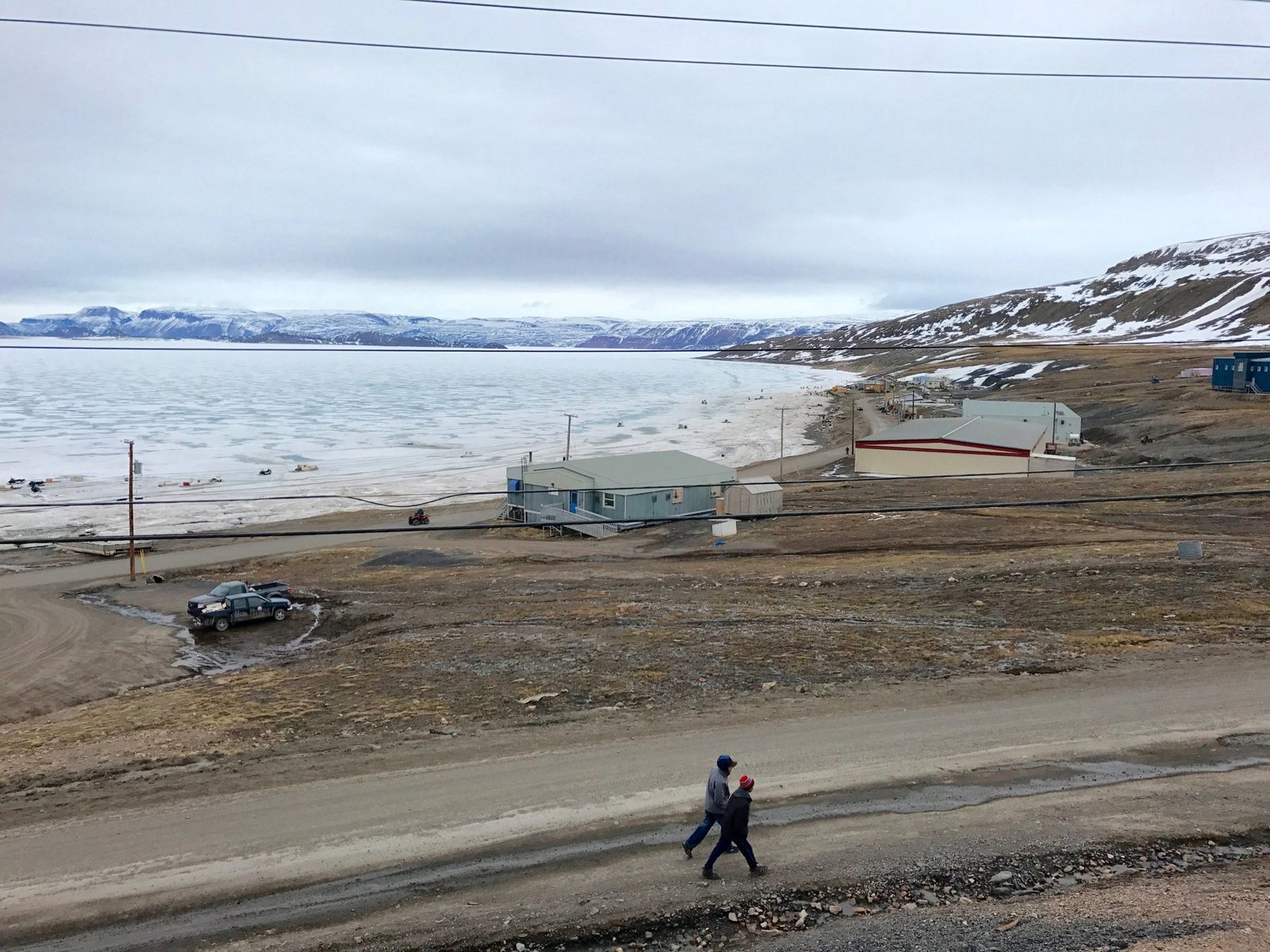
The Arctic is not a chess board in which a game is to be played.
Beneath the microscope, there are a number of highly complex and contrasting activities at play in the Arctic. Some international players refer to it as ‘the great game of the 21st century’ in which a contest over critical minerals, maritime routes, natural resources, satellite communications, and scientific discovery is underway. Until now this ‘game’ has been more or less understood, but with the geopolitical realignment that’s unfolding, it’s changing entirely.
But, in truth, the Arctic is not a chess board in which a game is to be played.
Canada’s Arctic territory is home to 53 communities with 150,000 residents sparsely spread out across its land mass, which is larger than any other Canadian province. While an area with vast resource potential and location advantage, the Arctic is a community with deep needs for improved infrastructure and solutions to support its way of life now and over the long-term. The $40 billion investment recently announced by Ottawa to support nation-building activity in the North, brings forth a long awaited opportunity to administer community and resource strength, and protect the region with modern security infrastructure. But with the security and environment landscape having significantly changed over the last decade, pre-existing needs have heightened and new ones have surfaced.
The most immediate need is to build strategically for the long-term in a way that benefits communities in the short-term. Having spent time in the Arctic and in speaking with Northern leaders about regional complexities, this is not an easy endeavour, especially given that each community is widely dispersed. The extension of the Mackenzie Valley is an example of one project that meets this criteria. This project will serve local towns that are currently supplied in the summer by barge and in the winter by an ice road along the frozen river both which have become unreliable due to the unrelenting effects of climate change. New Arctic governance and policy should prioritize projects that mirror the Mackenzie Valley extension as it doesn’t just support community needs but also helps to ensure stabilized military routes, critical to securing the Northern front line of defence.
The desire for improved security infrastructure in the North runs deep and is imperative.
Northern Operational Support Hubs are central to this effort. They are designed to enable sustained operations, not just temporary deployments. These hubs will allow the CAF to surge to strategic locations in the Arctic when the situation or threat requires. This kind of permanence has long been missing. The recently announced $1 billion Arctic Infrastructure Fund will enable the buildout of more robust connectivity for both defence and civilian needs, and support the Canadian Armed Forces with persistent presence-building. The fund’s efforts, which centralize focus on dual use initiatives, will help to close longstanding transportation gaps, enhance operational readiness for the Canadian Armed Forces, and advance key transportation corridors.
The combination of these proposed projects has the ability to set a new baseline in the Arctic. One where Canada plays a more active role in governance, preventing further deterioration, and shaping what’s ahead for Northern communities and Northern defence. And these efforts cannot be put in place without working with territory and Indigenous leaders to ensure effective implementation.
Nation building isn’t cheap at any point in time but it is necessary. With it coming into play in the North now, there are big possibilities ahead. I cannot stress that the focus now must be on prompt and impactful delivery. Northern Canada is one of the most difficult and expensive places in the world to build and operate in. Therefore credibility will be built through presence and a real partnership with the people who live there. This is what effective change in the Arctic looks like.
Harjit Sajjan is a former minister of national defence and co-founder of Juno Industries.
The views, opinions and positions expressed by all iPolitics columnists and contributors are the author’s alone. They do not inherently or expressly reflect the views, opinions and/or positions of iPolitics.