dailynewsnblog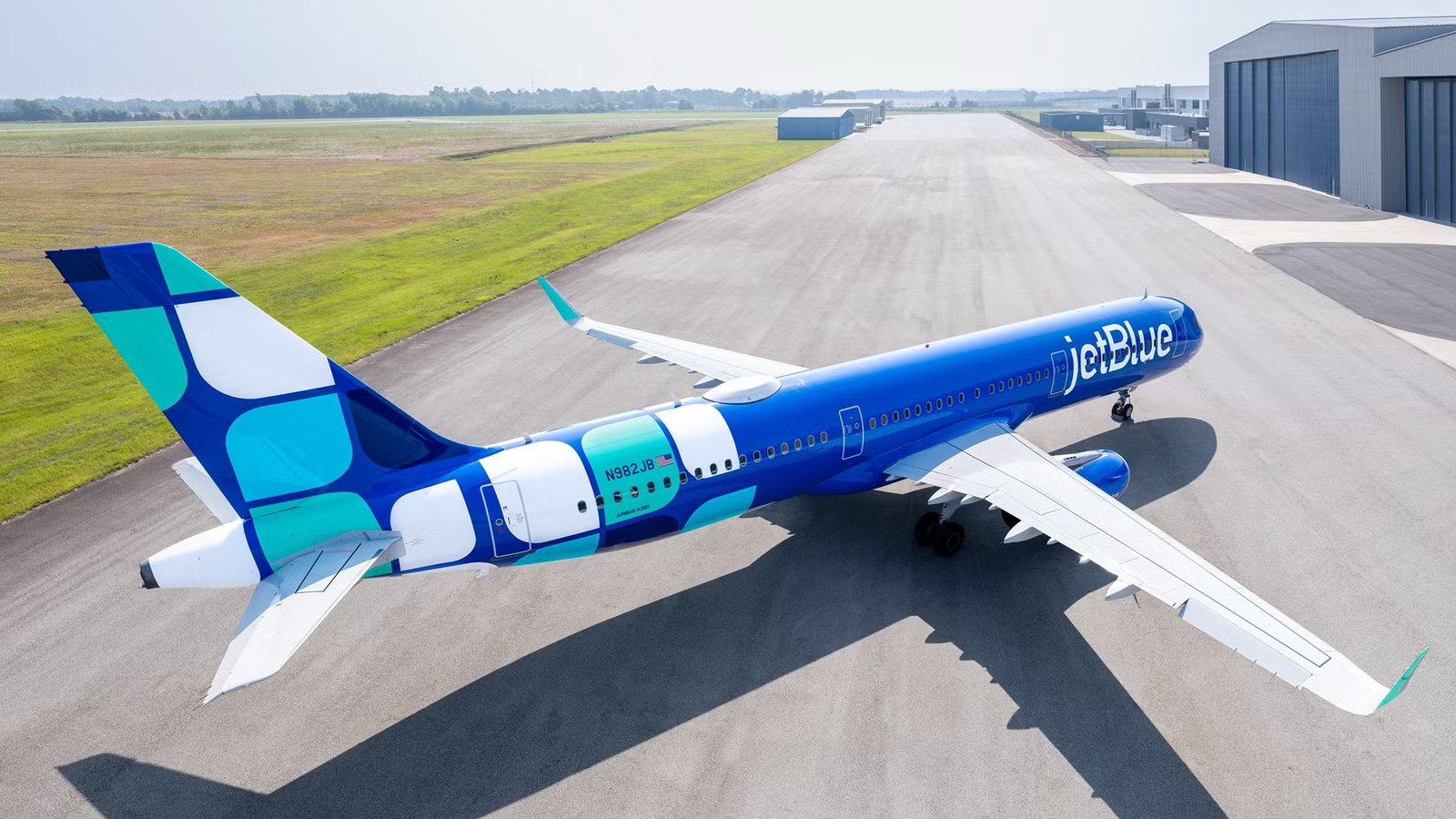
The latest boarding overhaul process put in place by JetBlue Airways is now being framed by the carrier as a simpler and more intuitive way to get passengers directly onto jets. In theory, this should allow for more on-time departures and fewer organizational issues at the gate. However, frequent fliers are already questioning whether the change represents a quiet devaluation of elite and premium benefits for loyal JetBlue customers.
Starting on April 29, JetBlue will move away from branded and lettered boarding groups and adopt a numbered system, all while still offering early access to Mint, Mosaic, and EvenMore customers. Critics of the move have argued that the shift may make gate areas more confusing, not less, and could reflect a much broader push to monetize priority boarding rather than improve the airport experience across the board.
What Is Leading Frequent Fliers To Be So Concerned?

Frequent flyers are concerned primarily because the change appears to directly compress JetBlue’s boarding hierarchy while adding new ways for pair products and credit card perks to move passengers forward in the process. JetBlue has said that Mint, Mosaic, and EvenMore customers will still receive early access, but the new numbered structure places Mosaic 3 and 4 members with Mint in Group 1, Mosaic 1 and 2 members with EvenMore customers in Group 2, and credit card holders, select fares, and other early-boarding perks in Group 3.
For those who are set to be loyal passengers, the fear is that hard-earned status may ultimately feel significantly less distinctive if more customers are bundled into similar early groups. Others worry that larger combined groups will create longer gate lines, more “gate lice,” and slower boarding amid fiercer competition for overhead bins.
Why Is JetBlue Making This Move?

JetBlue is likely making this move because boarding has become a more important part of the airline’s customer experience and revenue strategy. A numbered system is easier for casual travelers to understand than branded groups with confusing names for airline outsiders, such as “Mosaic,” “EvenMore,” or fare-based categories. The airline has, in recent years, been forced to compete more directly with carriers that place a lot of emphasis on relationships with loyal customers, like  Delta Air Lines and
  United Airlines.
This seems like it would be an especially confusing and complicated system at crowded gates, where passengers may not know exactly where it is that they stand. This is a unique kind of change that also gives JetBlue more flexibility to organize boarding by the products it wants to sell, including premium seats, credit card benefits, bundled fares, and elite status, according to FOX News.
In that sense, this is not just an operational tweak but a merchandising decision. JetBlue can preserve early access for its highest-value customers while making priority boarding easier to package and thus monetize. The risk is that simplification for the average traveler feels like dilution for loyal customers, especially if elite members believe their status is being merged with too many paid-access groups.

Delta One “Basic”: It’s the Same Seat With Fewer Perks
As more and more airlines move unbundling further up the cabin, the carrier adds to this growing list.
Are Other Airlines Making Similar Moves?

Nonetheless, JetBlue is not going to copy a single industry template here, but rather drift into a broader trend. Delta has moved back towards numbered boarding zones, a shift that it made in 2024. This replaced branded categories with cleaner, easier-to-understand language while still prioritizing premium cabins and elite members.
 American Airlines already uses a highly segmented numbering system, with nine boarding groups and priority access tied to cabin, AAdvantage status, premium economy, purchased priority, and some co-branded credit cards. United also uses numbered groups and explicitly sells priority boarding as a niche add-on.
This is all while credit cards and MileagePlus premier status can move passengers earlier in the process. The common pattern is also quite clear. Airlines want boarding to look simpler at the gate, but they also want more ways to attach early boarding to loyalty, premium seating, and ancillary revenue. JetBlue’s principal risk is that its frequent flyers see that as dilution, not aggressive oversimplification.