dailynewsnblog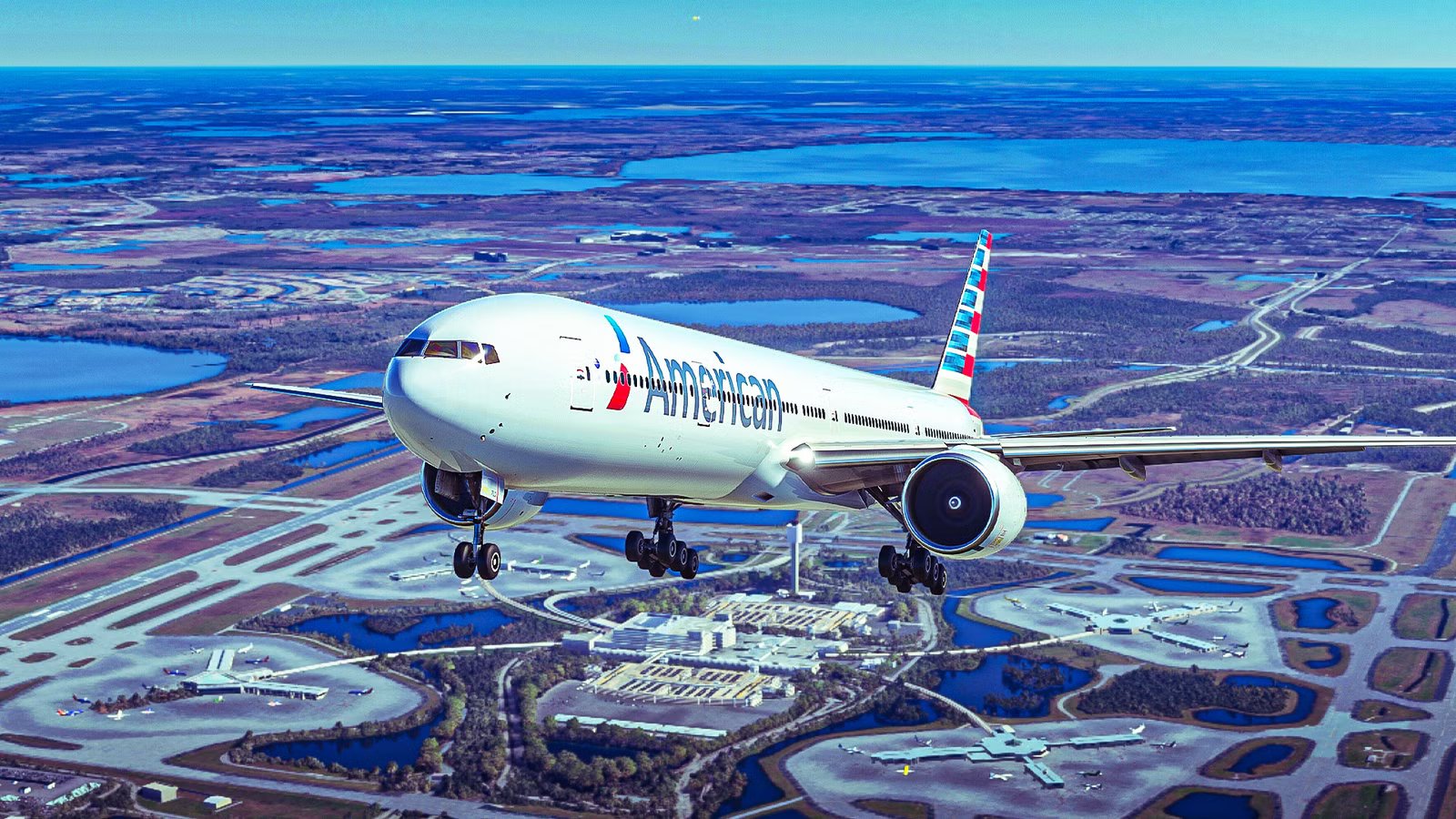
 American Airlines has indicated a major shift in network strategy with the recently announced departure of network planning chief Brian Znotins. Jon NYC shared the executive shake-up via X before the airline and CEO Robert Isom formally announced the change in leadership.
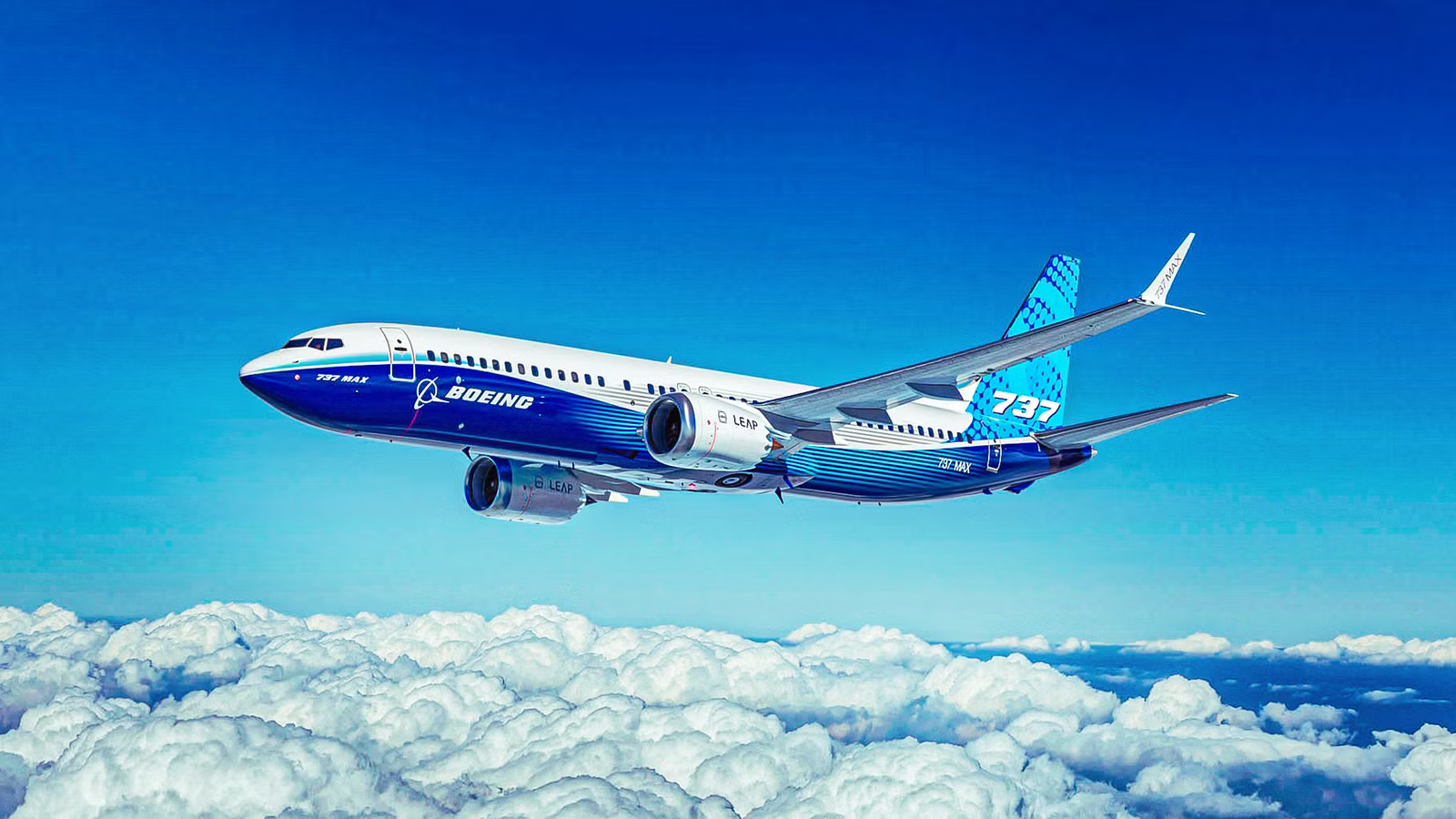
Znotins is known for his prioritization of domestic and short-haul international travel and is biased toward narrowbody utilization versus overseas long-haul destinations and costlier widebody jets. It appears that Isom is working towards the opposite route structure to improve competition against Delta and United Airlines, which have both expanded their International portfolios.
American’s Premium Push And Overseas Expansion

Chief Commercial Officer Nat Pieper, Znotins’ boss, wants to reverse AA’s network direction entirely to rebuild American’s presence in major markets and aggressively compete for premium customers again. Some industry observers consider the departure of Znotins to be the final piece in AA’s efforts to dismantle the controversial strategy created by former Chief Commercial Officer Vasu Raja.
As the mastermind behind a radical shift in how the airline operated, Raja was removed from AA back in June 2024. He had increased investment into AA’s massive Sun Belt hubs like Dallas-Fort Worth (DFW) and Charlotte (CLT) and aggressively expanded domestic regional flying.
Raja’s aggressive booking restrictions caused major corporations and leisure companies to drop American as a preferred carrier entirely, driving high-paying customers directly into the arms of United and Delta. The former management team treated American like a low-cost domestic carrier, but the new commercial leadership is treating its aircraft as premium tools to win back the highest-paying customers.
The Leadership Overhaul At AA

Znotins’ exit follows a massive corporate restructuring that began a couple of months ago under CEO Robert Isom. The executive shake-up is a direct response to a massive profit gap between American Airlines and its primary rivals, Delta and United. In addition to the most recent ousting, other executives have also stepped down or departed the company as Isom reshapes the leadership at AA in his new image of the company.
Chief Communications Officer Ron DeFeo stepped down, while Senior Vice President of Technical Operations Kevin Brickner retired, and Executive Vice President of Corporate Real Estate and Government Affairs Nate Gatten left for another company. This leadership purge is also taking place under intense labor pressure. The flight attendants’ union previously issued a unanimous vote of no confidence in management due to lagging profits and operational failures.
Znotins spent years defending and managing this risk-averse ‘retreat’ from international markets, prioritizing the domestic schedule over long-haul international expansion under Raja’s guidance. Pulling back from coastal hubs severely hurt American’s ability to capture lucrative, premium international business travelers.
American Gets Back To Business

American has standardized its fleet around a privacy-focused design. The cornerstone of this strategy is the new Flagship Suite, featuring fully enclosed lie-flat seats with sliding privacy doors. The Boeing 777-300ER retrofit eliminated international First Class on its flagship widebody workhorse. In its place, the airline stuffed the cabin with a massive 70 Flagship Suite business-class seats and 44 Premium Economy seats.
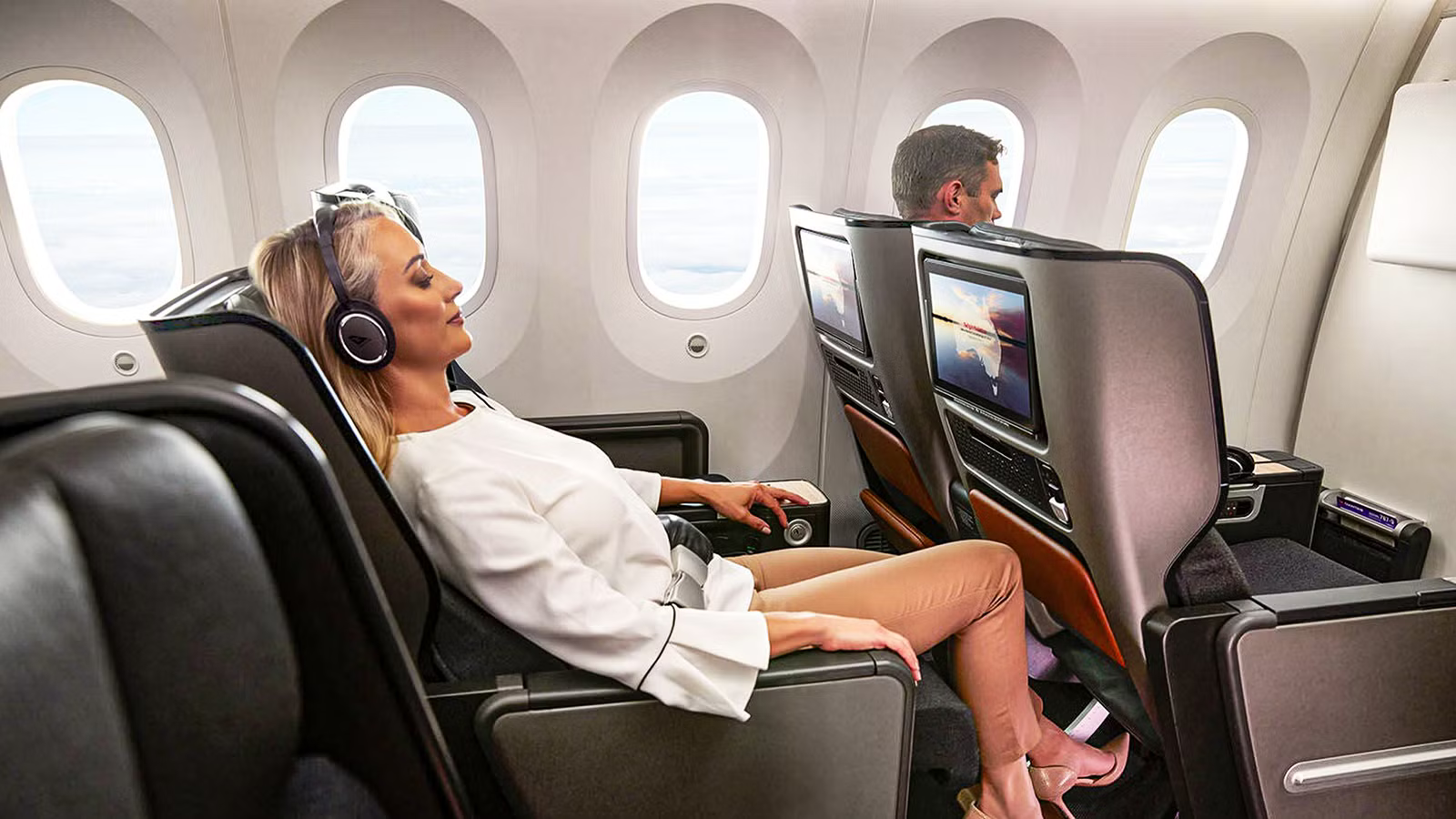
The new Boeing 787-9 deliveries feature 51 Flagship Suite seats and 32 Premium Economy seats, designed specifically to capture booming premium leisure and business flyers. Using newly delivered Boeing 787-9 aircraft, American is expanding its premium seating capacity from LAX to Tokyo Haneda (HND) by more than 45%. AA is also introducing the long-range, fuel-efficient Airbus A321XLR configured like a mini-widebody with 20 lie-flat Flagship Suites and 12 Premium Economy seats.
AA deployed this new premium narrowbody to go toe-to-toe with rivals on key transcontinental business routes, including New York JFK to Los Angeles, JFK to San Francisco, and Boston to Los Angeles. Now, AA is actively reclaiming its ground in major coastal hubs, rolling out a clear blueprint to reverse the retreat policy.
Chief Commercial Officer Nat Pieper recently confirmed that American is going to once again make  Los Angeles International Airport (LAX) its primary Pacific gateway, in an about-face on pandemic-era downscaling. The airline is waiting for the completion of the massive multi-year Terminal 4 overhaul and the rebuilding of Terminal 5 ahead of the 2028 Olympics.
Once finished, American plans to control 25 gates across both terminals, with an ultimate goal of securing all 30 gates. Reportedly, AA plans to add roughly 50 daily flights, boosting its LAX operation from its current 130–140 daily flights back up toward its historic peak of 200.