dailynewsnblog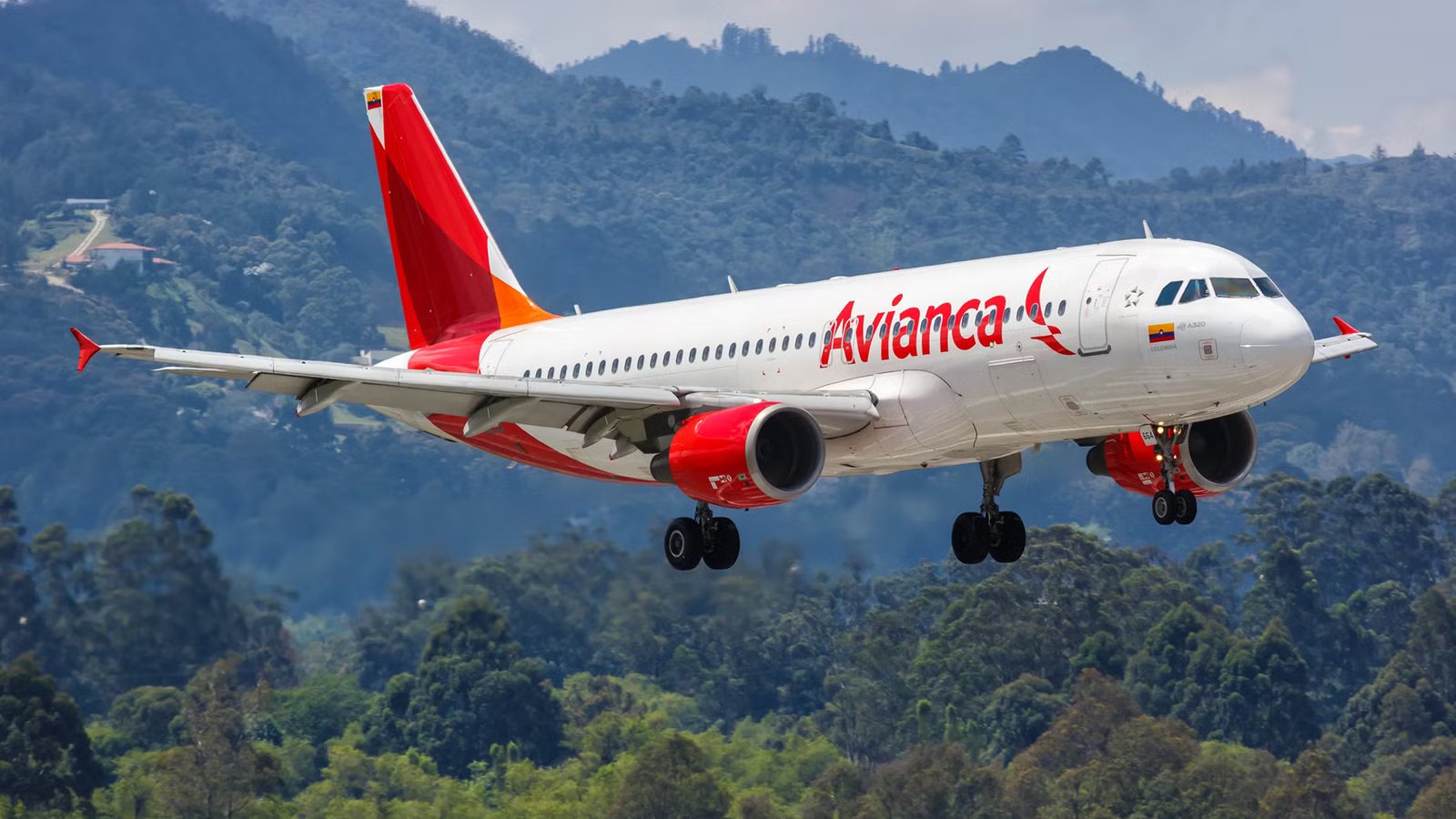
Severe turbulence forced the diversion of an Avianca flight on Friday, after several passengers and crew were injured. Avianca flight 42 from Jose Maria Córdova International Airport (MDE) to  John F. Kennedy International Airport (JFK) was diverted to
  Miami International Airport (MIA) for the injured passengers to receive medical attention. It landed safely at MIA at 3:24 AM Friday.
AV42 was operated with an Airbus A320-200, registered N207FR. It was first delivered to Frontier Airlines in 2010, and joined the Avianca fleet in 2023. The flight later departed from MIA at 8:35 AM and arrived at JFK at 10:50 AM.
9 Injured, 1 Remains Hospitalized

Avianca told CBS Miami nine people aboard were treated for injuries, including six passengers and three crew members. Eight were transported to the hospital, according to the Miami-Dade Fire Rescue. By Friday evening, Jackson Memorial Hospital confirmed seven of those treated there had been released. The eighth person is reported to have severe trauma, and their status has not been updated.
According to tracking data from FlightRadar24, the flight had been cruising at an altitude of 34,000 feet, just south of Jamaica, before climbing to 36,000 feet about two hours into the flight, indicating this may have been when the turbulence was encountered. It began descending into Miami an hour later, and landed 45 minutes after that. Avianca spoke about incident in a statement to the press.
“Avianca remains in contact with the affected passengers and crew members as it continues to respond to the situation. The safety of our customers and employees is, and will remain, the foundation of our operations.”
What Is The Montreal Convention?

In 1999, the International Air Transport Association established a modern framework for airline liability in cases of passenger injury or death, baggage loss or damage, and cargo issues. It came to be known as the Montreal Convention, or MC99. For passengers, MC99 gives fairer compensation and greater protection during events ranging from lost or damaged baggage to aircraft crashes.
Aviation attorney Pablo Rojas told CBS News that because AV42 is an international flight scheduled from Colombia to the United States, it is governed by the Montreal Convention. In the instance of AV42, the Montreal Convention would require Avianca to compensate the injured passengers’ medical care for up to 100,000 Special Drawing Rights (SDR). The value of the SDR is determined by the currency exchange rate of the five largest global currencies. These include the US Dollar, Euro, Chinese Renminbi, Japanese Yen, or British Pound Sterling.
Under the Montreal Convention, airlines are strictly liable for damages caused by delayed checked baggage, and are responsible for a maximum limit of 1,519 SDR, which is about 2,175 US Dollars. This covers expenses incurred while waiting for your delayed baggage to arrive, but generally does not cover luxury items. Claims must be filed within 21 days of when your luggage was due to arrive.
Seatbelts Are Your Best Protection

Although weather radar and reports from other pilots can indicate turbulence ahead, sometimes it can happen without warning. Most turbulence injuries are experienced by passengers who are not wearing their seatbelts when the plane hits turbulent air. Turbulence can cause the plane to drop suddenly, causing any unsecured passengers and loose items to become momentarily weightless.
At that moment, people who are standing or are in their seats while unbuckled can crash into the ceiling of the plane. The Instagram video above from AV42 with passengers using ice packs on their heads attests to this.
The Federal Aviation Administration (FAA) estimates that about 58 people per year suffer turbulence injuries on US commercial flights. The most common turbulence injuries are to the head and neck, and also fractures of the ankle, leg, or spine. This makes flight attendants particularly vulnerable if the turbulence is unforeseen. In case you haven’t heard it enough, always wear your seatbelt while seated during your flight, even if the weather looks nice out the window.