dailynewsnblog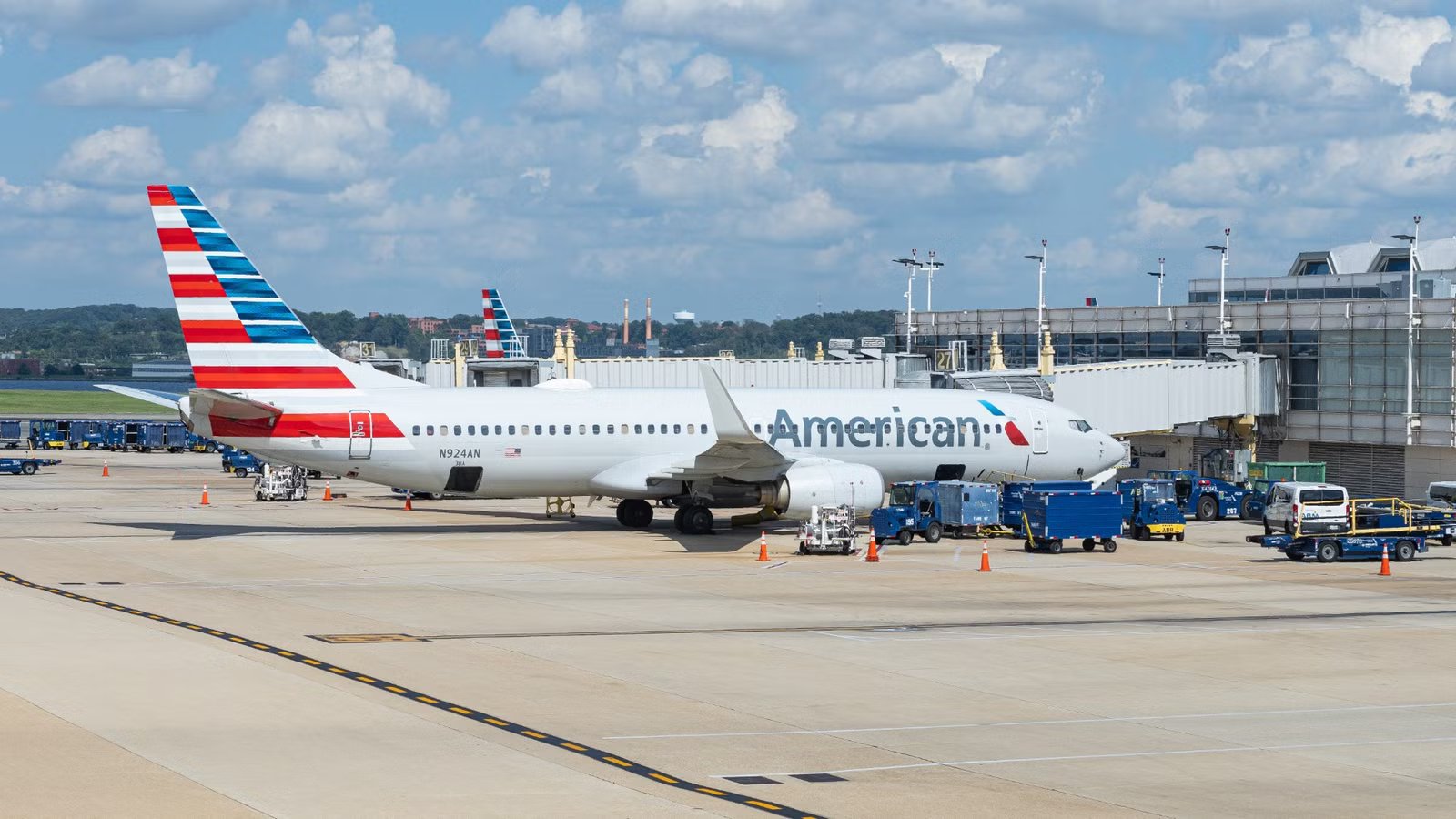
 American Airlines is ending involuntary denied boarding as a company practice, instructing airport employees to find volunteers instead when flights are overbooked, according to the View From The Wing report. The new directive, which took effect September 30, applies across American’s mainline and regional operations on both domestic and international flights. The airline is even allowing volunteers to be confirmed on the very next departure when that flight is technically full. The move is designed to prevent passengers from being forced off flights, even if it means delaying departure and offering significantly more compensation.
The change represents a major shift in how American Airlines handles oversold flights. Rather than prioritizing an on-time departure when more passengers than seats are available, gate teams are now expected to keep working until enough customers voluntarily accept an alternative. For travelers, that could mean more generous offers and greater certainty when agreeing to give up a seat, though the policy could also lead to longer delays during particularly busy periods.
American Airlines Tells Gate Agents: Find Volunteers Or Delay

The new policy is based on what American describes internally as a “zero involuntary denied boarding mandate.” Airport employees have been instructed not to close the aircraft door while an oversale remains unresolved, with managers expected to become directly involved in finding enough volunteers. The directive applies even when solving the problem requires a late departure.
American is also giving station leadership greater authority to increase compensation when necessary. Previously, airport agents worked within preset compensation levels and needed additional approval to exceed the established maximum, but the new procedure puts that decision in the hands of airport managers. Employees are instructed to start making announcements early, explain the oversale situation, and document each compensation increase as they search for volunteers.
According to The View From The Wing report:
“No invols” is no longer a goal – it is a company requirement.
The significance of the change becomes clearer when looking at American’s recent record. According to Department of Transportation data cited by View From The Wing, American and its regional carriers recorded 14,758 involuntary denied boardings in 2025, representing about 60% of the 24,596 involuntary bumps reported across the industry. In the first half of 2026, American recorded 5,247 involuntary bumps, compared with zero at Delta.
“Take A Delay”: Volunteers Get A Major Advantage

Perhaps the most interesting element of American’s new strategy is what happens when a passenger agrees to volunteer. Under the new instructions, an employee can confirm that passenger on the very next departure, even when the system doesn’t currently show a seat available. Agents can use their rebooking tools and, when needed, contact Day of Departure support to make the booking happen.
That could make volunteering considerably more attractive. A passenger may accept compensation for a short delay, but the prospect of being placed on standby and waiting several flights for an available seat can make an oversale far less appealing. American is instructing employees to emphasize that a voluntary passenger can potentially take the next departure, while someone involuntarily denied boarding would normally be accommodated on the next flight with an available seat.
The policy does not magically create an additional seat on a full aircraft. Instead, American appears willing to take the operational risk that cancellations, missed connections, or other changes could free up space before departure. If the next flight is also oversold, the airline can repeat the process by seeking volunteers there. The approach essentially moves the emphasis from protecting every scheduled departure to keeping passengers traveling voluntarily.
A Major Shift In American’s Oversales Strategy

American’s new approach follows a substantial reduction in involuntary bumps already recorded during 2026. The airline’s second-quarter network figures showed 1,953 involuntary bumps, down 54% from 4,257 during the same period a year earlier. The new directive goes further by making the elimination of involuntary denied boarding an explicit operational requirement, not just a target.
The change also reflects a broader industry debate over whether airlines should simply pay enough passengers to volunteer rather than forcibly removing customers from an oversold flight. After the highly publicized 2017 United express passenger-removal incident, according to the BBC, several airlines increased the authority of airport employees to offer substantial compensation to customers willing to give up their seats. American has previously offered unusually high amounts in individual cases, including a reported $4,000 voucher offer on a Philadelphia–Athens flight.
For American, the new policy could ultimately be about more than passenger goodwill. Avoiding involuntary denied boarding may strengthen customer confidence that a confirmed ticket will actually translate into a seat, while giving flexible travelers a reason to accept a lucrative alternative. It may also allow American to continue using sophisticated revenue-management strategies without relying as heavily on involuntary denied boarding when forecasts prove inaccurate.