dailynewsnblog
Now Griffith University archaeologists have discovered that humans might have been using mind-altering subsances—by sucking and chewing on betel nuts—as early as the Late Pleistocene period some 25,000 years ago, according to a paper published in Science Advances. Betel nut consumption is common in India and the South Pacific, usually by mixing the seed with slaked lime (which releases the psychoactive compounds) and a few other ingredients to make a “quid,” then chewing it. The effects include mild euphoria and high alertness.
The Griffith team discovered two rare early human forager skeletons from the Indonesian island of Sulawesi, concluding that one dated to 25,000 to 16,000 years ago and the other to 7,600–6,300 years ago. Both skeletons had deep rounded grooves in their teeth, apparently caused by constantly sucking on whole betel nuts. By soaking betel nuts in artificial saliva, the authors concluded that this would release enough arecoline to alter brain function, although the psychoactive effects would be milder.
The authors posit that people from that period sucked on betel nuts to relieve tooth pain, given that these populations are known to have had bad teeth and arecoline is a natural analgesic. But the seeds are abrasive and, over time, wore down the foragers’ teeth so much that inner pulp chambers were exposed. “So while this habit may have been a remedy for toothache, years of prolonged nut-sucking eventually caused much worse dental health problems, creating a cycle of continued habitual use,” said co-author Adam Brumm.
Science Advances, 2026. DOI: 10.1126/sciadv.aei1901.
New insight into Galileo’s telescopes
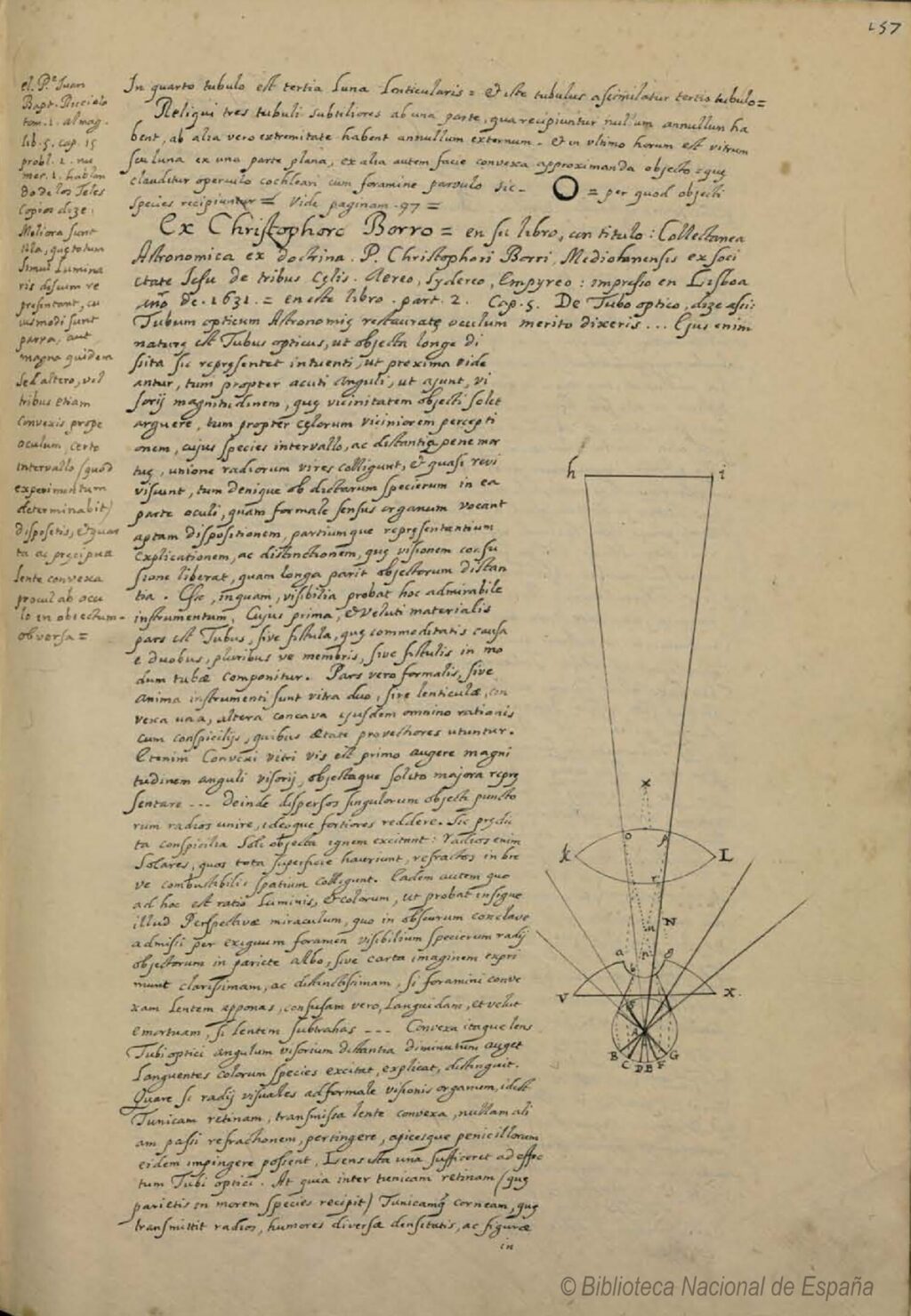
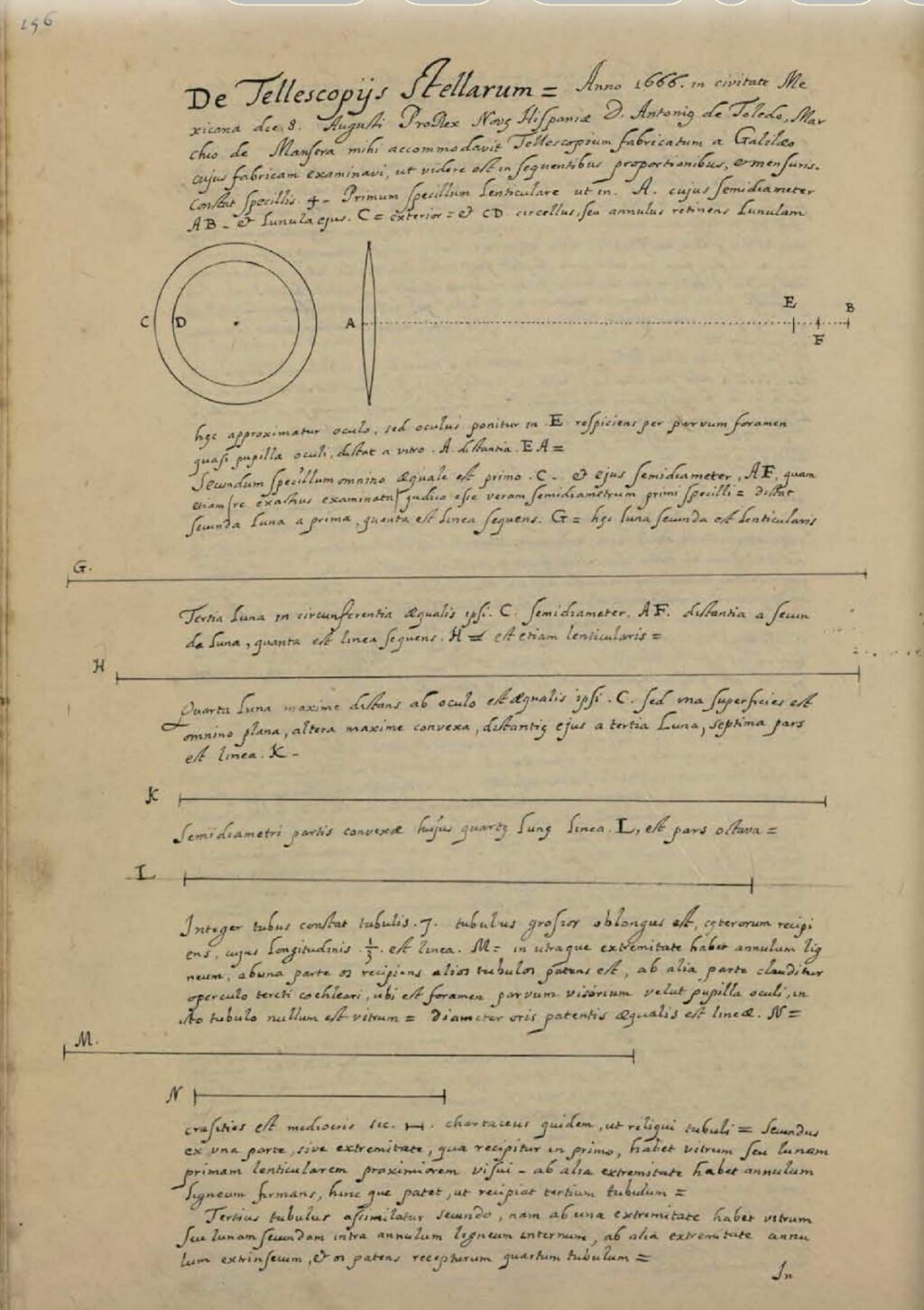
Historians generally agree that a German-born eyeglass manufacturer in the Netherlands, Hans Lippershey, invented the first bona fide telescope in the 1590s. Similar instruments made by other inventors soon popped up, and by 1609, people could buy “spyglasses” in local shops in Paris. Within a few months, the phenomenon had spread to Italy and caught the attention of Galileo Galilei, who fashioned his own telescopes to make ground-breaking astronomical observations that helped the Copernican model of the solar system supplant the Ptolemaic worldview that had dominated for centuries.