dailynewsnblog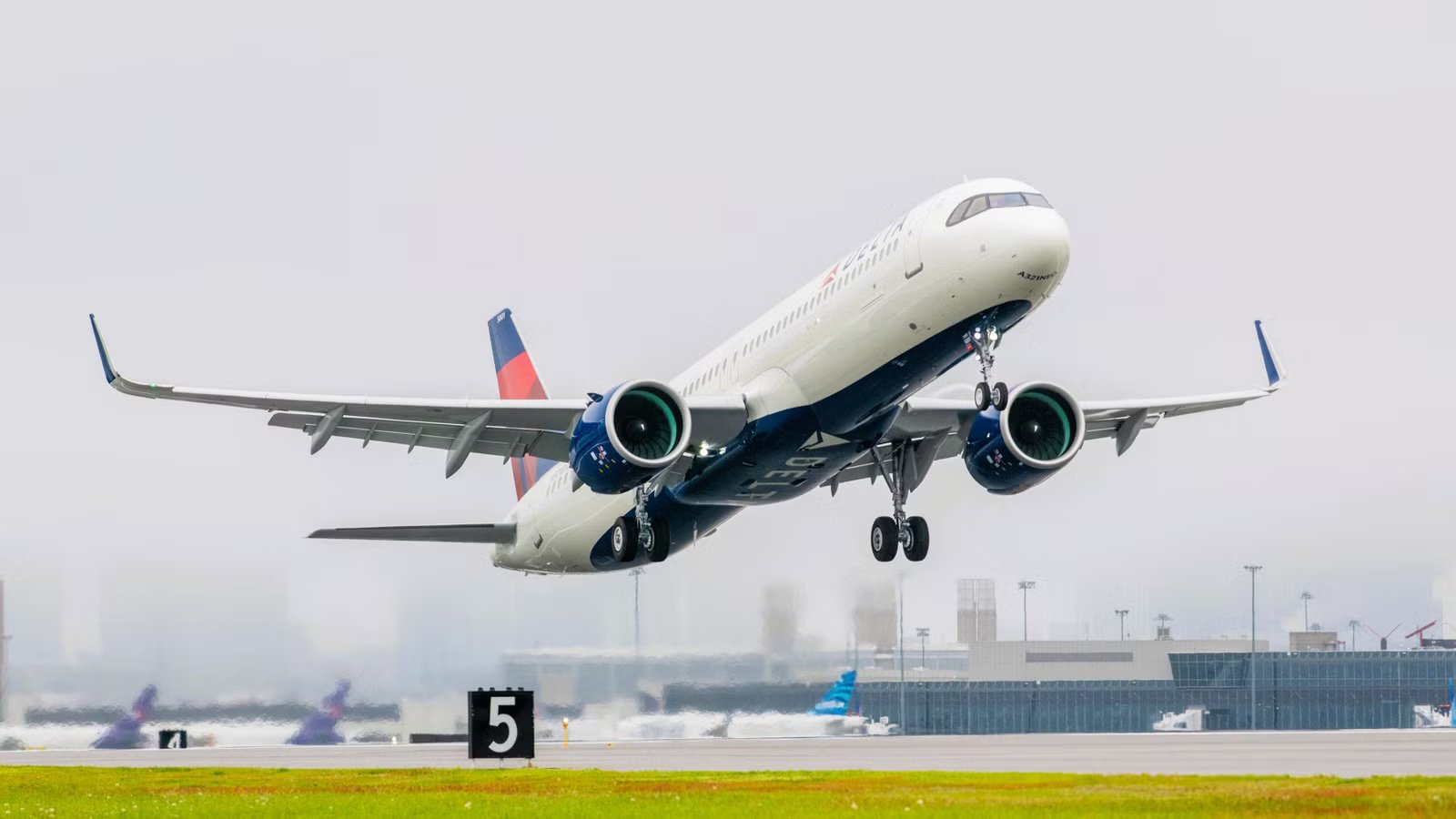
Several  Delta Air Lines passengers were taken to an emergency room after fumes were reported aboard a flight from Maui to
  Seattle-Tacoma International Airport (SEA), prompting the crew to divert to Honolulu. Flight 394, operated by an Airbus A321neo, departed Kahului Airport (OGG) on Saturday night with 189 passengers before the flight crew followed procedures and redirected the aircraft to Daniel K. Inouye International Airport (HNL).
The diversion became a medical incident after the aircraft landed. Honolulu Emergency Medical Services responded to the airport around 11 PM after passengers reported headaches and nausea associated with inhaling fumes inside the cabin. Three women, ages 42, 27, and 31, were treated and transported to an emergency room in stable condition, while the Federal Fire Department treated and transported another patient who was also reported to be stable.
Fumes Reported Shortly After Takeoff

Delta Flight 394 was en route to Seattle over the ocean when fumes were observed shortly after departure. Rather than continue across the Pacific, the crew diverted to Honolulu in accordance with established procedures, according to Delta. The airline has not identified the substance responsible for the fumes or established what caused them. That information is expected to depend on the technical inspection of the aircraft and any subsequent investigation by aviation authorities.
The A321neo landed safely in Honolulu, where passengers exited the aircraft using air stairs. They were then transported away from the aircraft by bus. After the aircraft arrived, crews also observed fuel discharging from the airplane, adding another technical issue for maintenance personnel to examine.
Several Passengers Required Medical Treatment

The reported health effects were concentrated among passengers who experienced headaches and nausea after exposure to the fumes. Honolulu EMS dispatched multiple units to Lagoon Drive at approximately 11 PM, where three women received treatment before being taken to an emergency room. The Federal Fire Department handled another patient, who was also transported in stable condition. Delta had separately said that one flight attendant sought medical attention following the incident. The available information does not indicate that any of the patients suffered life-threatening injuries.
The medical response also illustrates why an in-flight fumes report can lead to a diversion even when an aircraft remains controllable. The crew must account for both the unknown source of the contamination and the possibility that passengers or crew could experience symptoms during the remainder of the flight. Honolulu provided a nearby airport where the aircraft could be removed from service and affected occupants could receive assistance.
Aircraft Inspection Will Determine What Happened

Delta said technicians will inspect the A321neo and that the airline is reviewing the circumstances surrounding the event. The carrier also plans to work with aviation authorities on any broader review. At this stage, there is no indication from the airline or local authorities that a specific mechanical failure has been established as the cause of the fumes. The immediate operational consequence was a replacement aircraft. Delta said the passengers would continue to Seattle aboard another airplane scheduled to depart Honolulu the next morning. The airline is also issuing refunds and contacting passengers directly to apologize for the disruption.
The inspection will be particularly relevant because the reported fumes were accompanied by passenger symptoms and a separate observation of fuel being discharged after landing. Investigators and maintenance crews will need to determine whether those events were related or represented separate issues. Any findings could also establish whether additional maintenance or operational measures are necessary before the aircraft returns to service.
For passengers, the incident highlights the practical consequences of an otherwise unexplained cabin-air problem on a long overwater route. Honolulu provided an immediate diversion point, allowing medical personnel to evaluate those affected and giving Delta an opportunity to remove the aircraft from its scheduled operation while its condition is assessed. Until that process is complete, the available evidence establishes the diversion and medical response, but not the source of the fumes or the reason they entered the cabin.