dailynewsnblog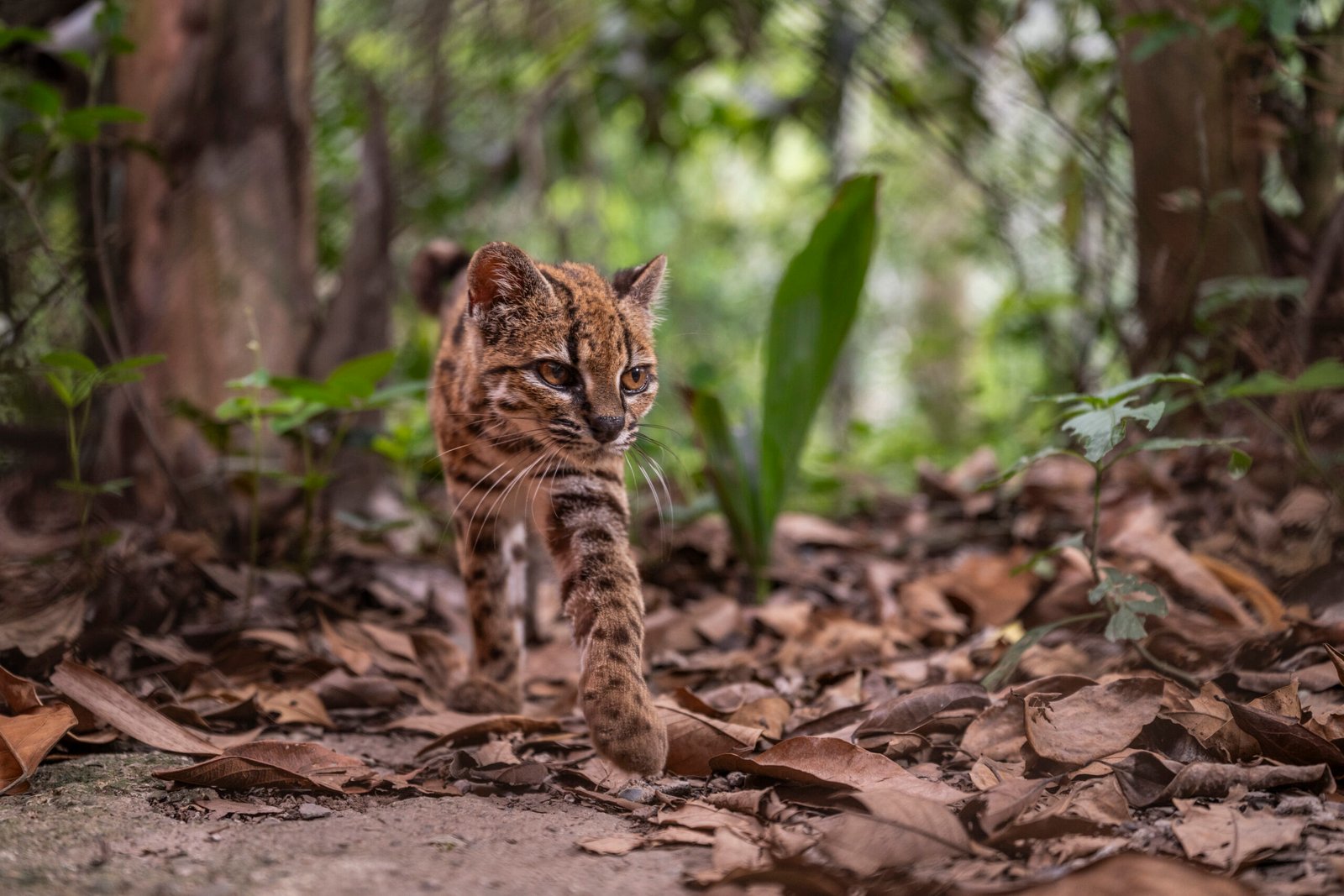
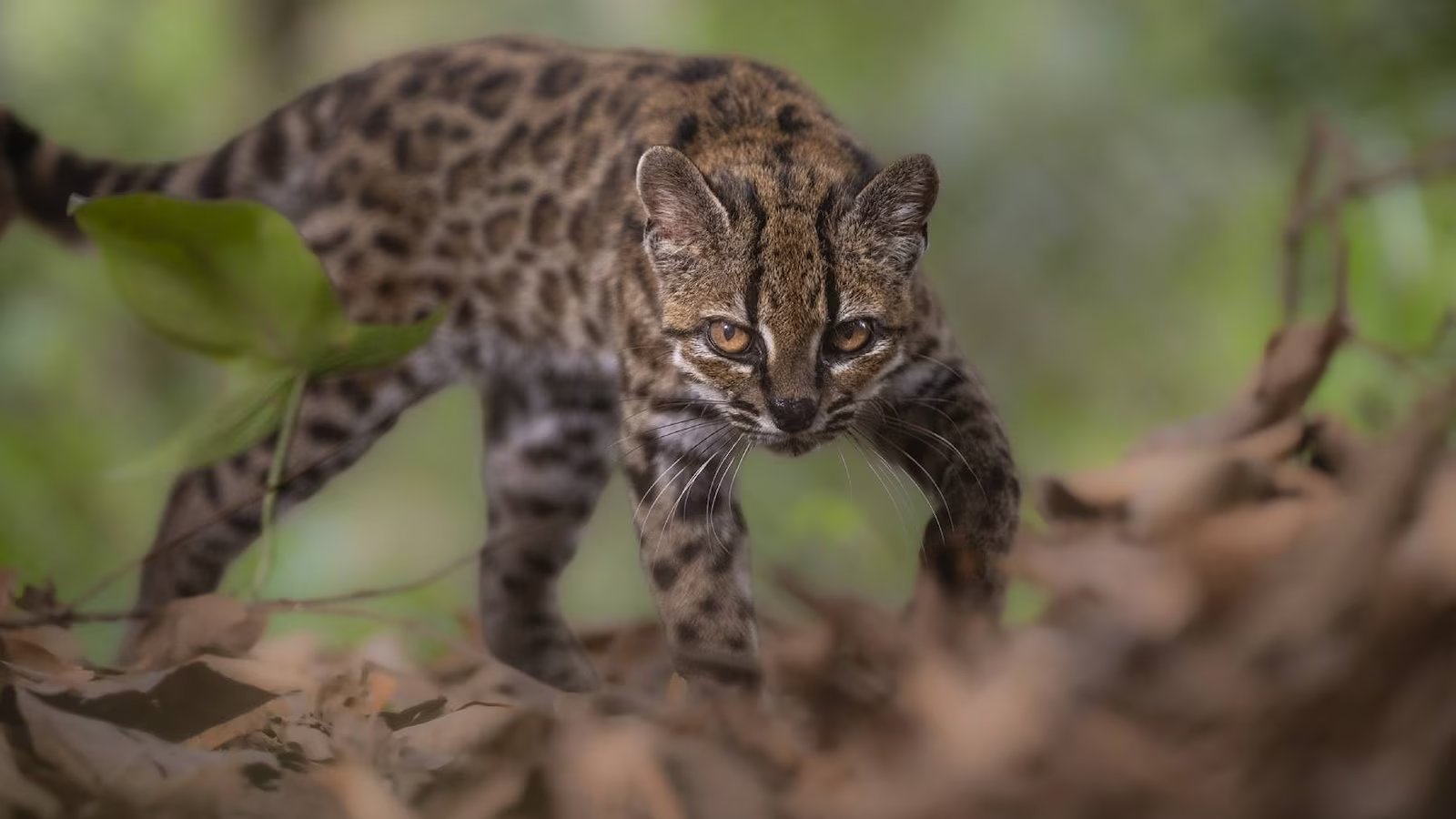
In the midst of RAMageddon price hikes and AI doomsday claims, I bring soothing news: A tiny new feline species has been discovered, the first in over 100 years, and it’s amazingly adorable.
According to a study published in the Current Biology Journal on Thursday, the spry little feline, who looks ready for a drink out of a nice, heated cat water fountain, is called Leopardus tilcayo and hails from the cloud forests of the Bolivian Yungas in South America. You may know Leopardus from other American cat species, like the ocelot and colocolo.
The discovery was made from a collaboration between scientist Jonas Lescroart and Paola Nogales-Ascarrunz, head of the Programa de Investigación de Félidos Bolivia conservation program (among other researchers). They not only spotted this dashing little fellow, but they also made all-new discoveries about tiger cats, including a new subspecies.
The researchers didn’t need an AI pet camera to spot the new cat species, although Leopardus tilcayo is even smaller than the common house cat. Nogales-Ascarrunz, whose work is funded by National Geographic, first spotted the cat at a wildlife rehabilitation center in the area. At first, she thought it was just a kitten, but then she realized it could be a new find entirely. The cat’s spots and long tail didn’t match any recognized species in the area, so Nogales-Ascarrunz began genetic testing on cats brought in by locals.
Who named this fuzzy charmer?

The story of Leopardus tilcayo has its roots in native communities.
“This cat, they call it tilcayo. And when you ask, ‘Does it have some meaning in Quechua or [Aymara] and other Indigenous languages?’ they say, ‘No, my grandpa told me that’s the tilcayo,’” Nogales-Ascarrunz said. “This is a traditional knowledge that they have in the community. We want to preserve that knowledge, and we didn’t want to give it another name.”
The tilcayo is special because, while scientists redefine mammals into new species all the time, it’s usually because a single species has split into two and become different enough for reclassification. This cat, however, was entirely new and not the offshoot of a previously recognized species, something very rare and probably deserving of its own high-tech litter box.
“We really don’t know how many cats are still in the wild,” Nogales-Ascarrunz said. “We need science, we need more studies to answer this question, which is actually critical for its conservation.”
I want one!

Instead of pining after exotic and protected species, I highly suggest you focus on local cats that need a home and provide them with toys, smart feeding stations or helpful collars that can help keep them safe and healthy.
If you do want to get involved, look into supporting conversation efforts for the Bolivian Yungas, such as the Andes Amazon Fund. Tilcayo’s habitat is under serious threat from surrounding development and could use all the help it can get.
The authors of the research did not immediately respond to a request for comment.

See full bio