dailynewsnblog
A key inflation reading tomorrow could determine whether the Federal Reserve issues its first interest rate hike in more than three years.
The August Consumer Price Index report, scheduled for release at 8:30 a.m. ET on Friday, is the last major inflation snapshot Fed officials will receive before announcing their next interest rate decision on Sept. 16. Economists expect prices last month rose 3.3% on an annual basis, reflecting an easing after reaching a three-year high of 4.2% in May.
The August report could help Fed officials determine whether the recent easing reflects an ongoing trend, or whether inflation is becoming stubbornly entrenched amid high fuel prices caused by the Iran war. Its primary tool for taming inflation, one of its core mandates, is to raise borrowing costs, which helps cool spending.
At the Fed’s previous meeting, nearly half of its policymakers said they would support a rate hike later this year. If officials vote to raise their benchmark rate next week, it would mark the first increase since July 2023, when the central bank was battling the highest inflation in more than four decades.
“It’s clear that the swing voters at the Fed are paying close attention to this inflation data,” Heather Long, a chief economist at Navy Federal Credit Union, said of the CPI report.
“I think that’s what’s really giving it heightened meaning,” she added.
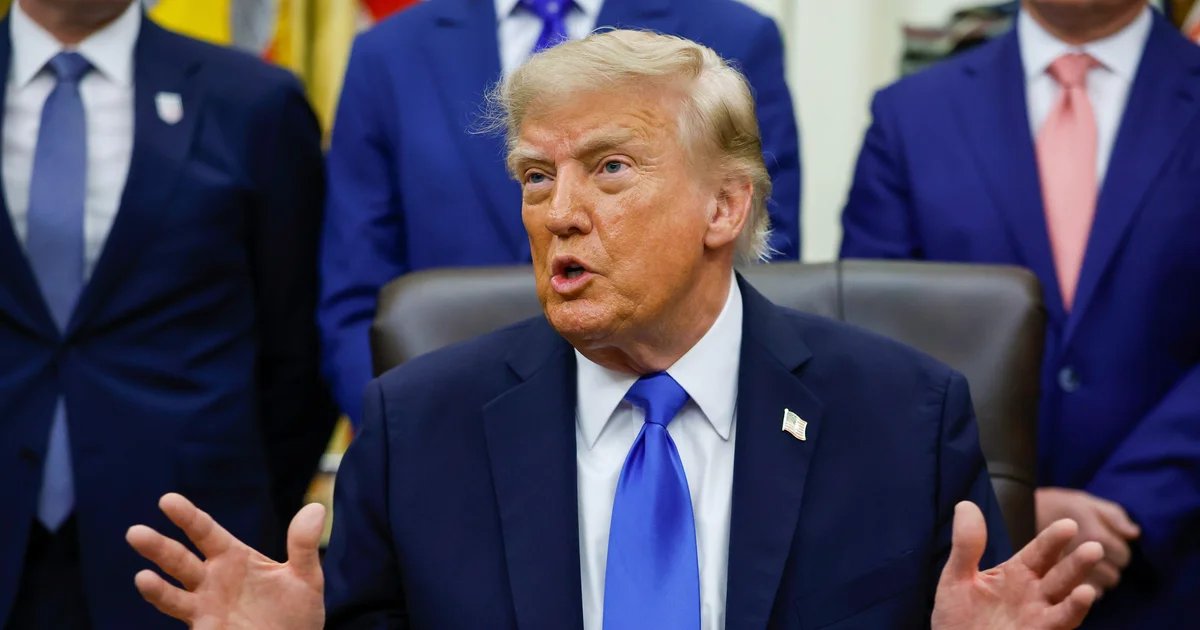
On Thursday, the Labor Department said the producer price index — which captures inflation before it reaches consumers — rose 5.4% in August from a year ago, up from 4.8% in July. U.S. oil prices topped $100 a barrel Thursday on renewed fighting in the Middle East, while President Trump has intensified a trade war with Canada, a sign tariffs still could push up costs.
The Fed’s swing voters include Fed Governor Christopher Waller, who said in a speech earlier this month that he would consider a rate hike “if inflation comes in hot.” But he added that if the August CPI shows progress toward the Fed’s 2% goal, he would be willing to hold rates steady.
Federal Reserve Chairman Kevin Warsh has been more guarded in his communication about the Fed’s next moves. However, last month while speaking at the Fed’s annual conference in Jackson Hole, he said the Fed will “have work to do” if inflation doesn’t drop toward the central bank’s 2% target at a “sufficient speed.”
What’s the likelihood of an interest rate hike?
The Fed has held its benchmark rate at its current range of 3.5% to 3.75% since December 2025.
However, investors are bracing for an increasing likelihood that the central bank will raise rates as it grapples with ongoing price pressures stemming from the war in the Middle East. Markets are now pricing in a 70% probability the Fed will increase its benchmark rate to 3.75% to 4% at its Sept. 16 meeting, according to CME FedWatch, which bases its forecast on 30-day Fed funds futures prices.
Prices at the pump also remain elevated, with diesel hitting an all-time high of almost $6 a gallon on Thursday. Other factors are also fueling inflation, including tariffs, rising health insurance costs and AI expenditures, experts told CBS News.
“The [CPI] report is unlikely to alter the message of limited inflation progress and should provide sufficient support for the Fed to hike rates at the September meeting,” Stephen Juneau, a U.S. economist at the Bank of America Securities, said in a research note Thursday.
What is the inflation report expected to show?
Economists polled by FactSet expect that inflation rose at an annual rate of 3.3% in August, slightly below the 3.4% pace recorded in July.
However, Gregory Daco, chief economist at EY-Parthenon, said the Fed will pay closer attention to core inflation — which excludes more volatile energy and food categories — to monitor whether higher energy prices are passing through to goods and services.
Economists polled by FactSet expect that core CPI rose 2.4% on an annual basis last month, which would extend a downward trend that started in June.
“Traditionally, the Fed used to think along a framework that would assume supply shocks were infrequent and short-lived, and therefore it could look through those supply shocks,” Daco said.
“That’s no longer a reality. We have more layered supply shocks, and therefore the Fed has to think carefully about the potential pass-through of these higher commodities prices, higher supply chain costs, higher transportation costs into core items.”