dailynewsnblog
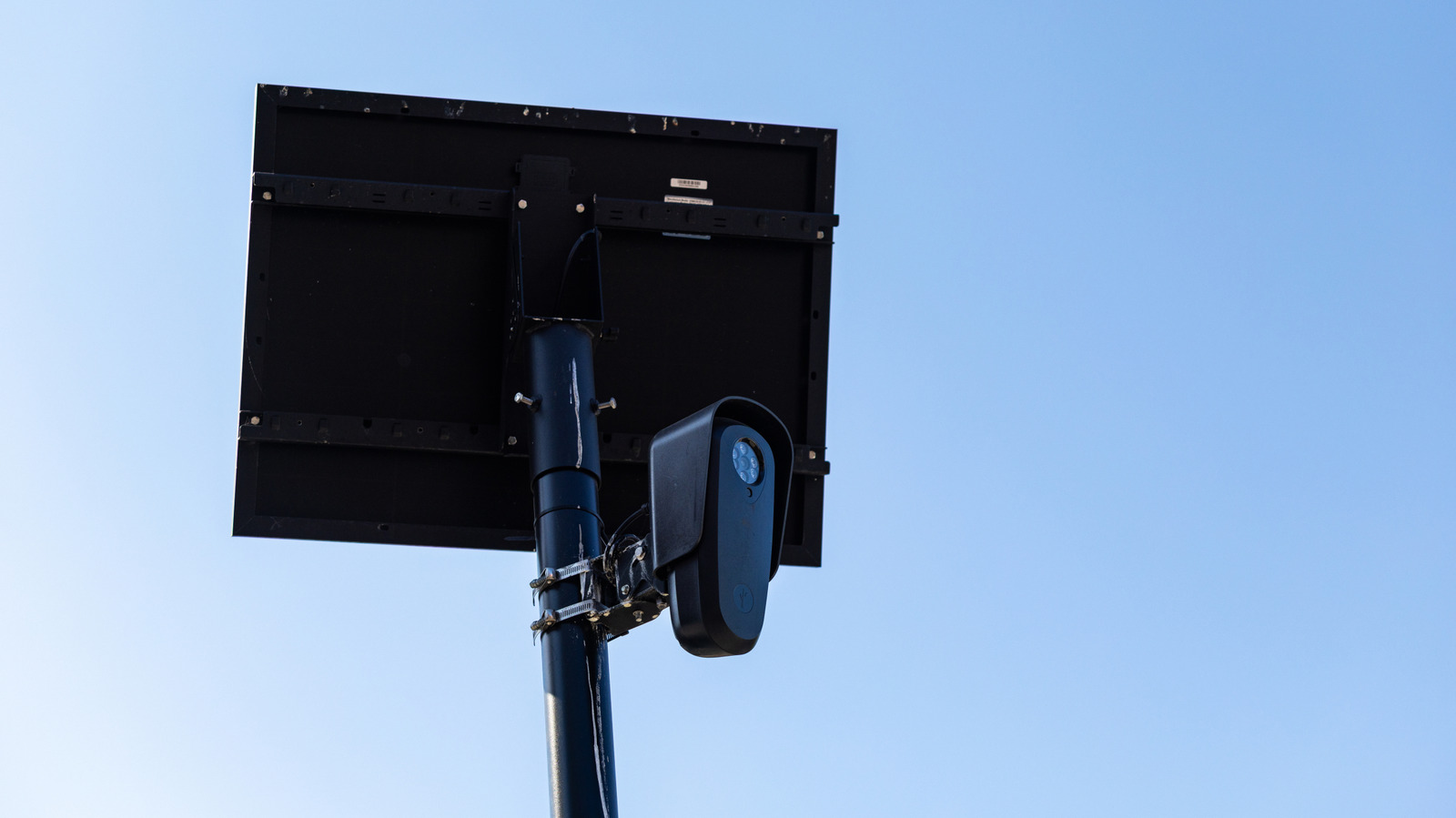
Florida’s Department of Transportation has officially banned police from placing license plate readers on state roads, according to a one-page memorandum from DOT Chief Operating Officer Will Watts. The decision is an early example of state regulators responding to the growing animus directed at automatic license plate reader (ALPR) providers like Flock Safety, and one that isn’t exclusive to Florida.
“While Florida law limits the issuance of permits for LPR systems to law enforcement agencies,” the memorandum says, “the recent exponential increase in deployments along our roadways, coupled with concerning reports of misuse, data privacy concerns and surveillance schemes merit immediate action to preserve Floridians’ sovereignty and quality of life.”
Per the memorandum, permits for license plate readers are immediately revoked and police have within 30 days of August 31 to remove them from state roads. Florida’s Department of Transportation says it will also “use its discretionary authority to cease the issuance of all future requests for LPR systems within its jurisdictional authority.”
The license plate reader ban was made at the behest of Florida Governor Ron DeSantis, who said in August 2026 that use of the technology was “out of control” in the state. Removing cameras from state roads is an attempt to address the problem. As DeSantis noted on a podcast episode promoting his stance, though, changing DOT rules doesn’t impact the 98 percent of ALPRs that are installed on local roads and private property. Both Jacksonville and Okaloosa county sheriffs have also committed to removing ALPRs from their jurisdiction. Removing (or reining in) the rest of the license plate readers in the state will either require more social pressure, or ideally, new laws.
Automatic license plate readers have been around for decades — you may have encountered one running a stop light or using a toll road — and states have grown to rely on them for a wide variety of different law enforcement tasks. That could include finding stolen vehicles or missing people, along with the more nebulous goal of developing leads in ongoing criminal investigations. For example, a little over a week before Florida’s ban, license plate readers were used to find a murder suspect who fled Florida for West Virginia.
Flock, the ALPR company that’s faced the most backlash in 2026, has ample examples on its website as to how ubiquitous cameras could help states and cities handle things outside of police work, too, like letting firefighters survey a fire before they arrive. The problem most people have with ALPRs is the idea of constantly being surveilled, and the already documented ways Flock’s own cameras have been misused. The company has attempted to address those issues with software updates to its platform and policy changes that limit the amount of time it stores footage captured with its cameras, but the continued public outcry and ongoing vandalism of license plate readers seems like it’s finally provoking regulators to respond.
Outside of Florida’s ban, the Los Angeles Police Department suspended its contract with Flock in July. Earlier in August, two counties in Ohio also paused their use of Flock cameras because of reports of alleged misuse. In Texas, Governor Greg Abbott went as far as pausing funding for state agencies trying to acquire Flock hardware. Most of these changes are focused on Flock specifically rather than the use of license plate readers in general, but they do suggest willingness to at least consider different approaches to public safety.