dailynewsnblog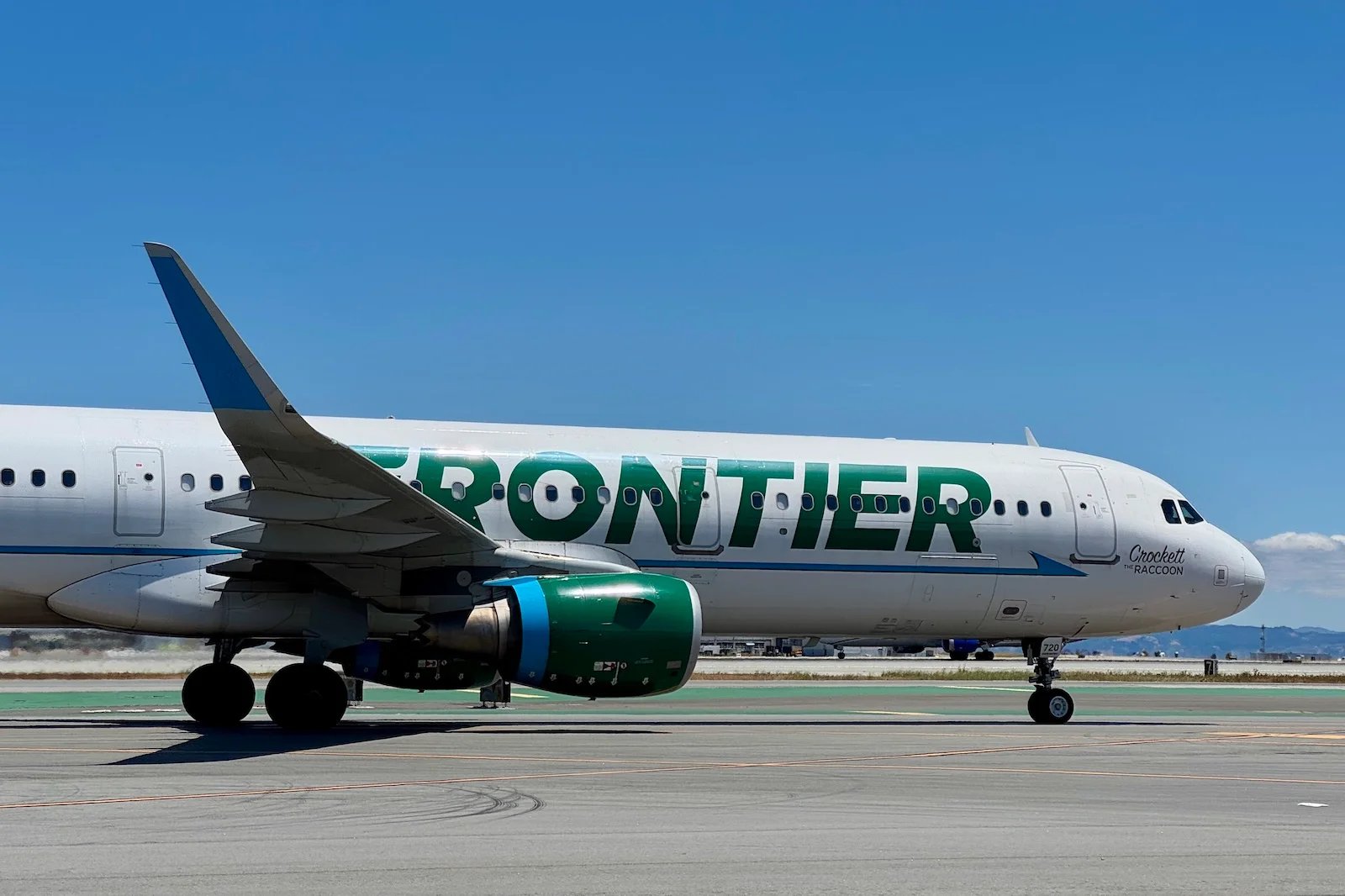
When Spirit Airlines shut down in May, it left a major void for consumers. Its big yellow planes were gone, and so were the cheap fares that gave millions of travelers a way to fly affordably.
Now, all eyes are on America’s largest remaining budget airline.
It’s a carrier that, for years, has shared Spirit’s bare-bones business model — and its checkered history of flight delays.
But Frontier Airlines’ new top executive is betting that, someday soon, you might find yourself choosing to fly with the airline. And not just because it’s the cheapest option.
“I think there’s huge opportunity for us,” CEO James Dempsey told TPG in an exclusive interview.
“We’re improving the product offering that we have,” Dempsey added. “And we’re continuing to keep fares low.”
First-class seats, Starlink Wi-Fi on the way
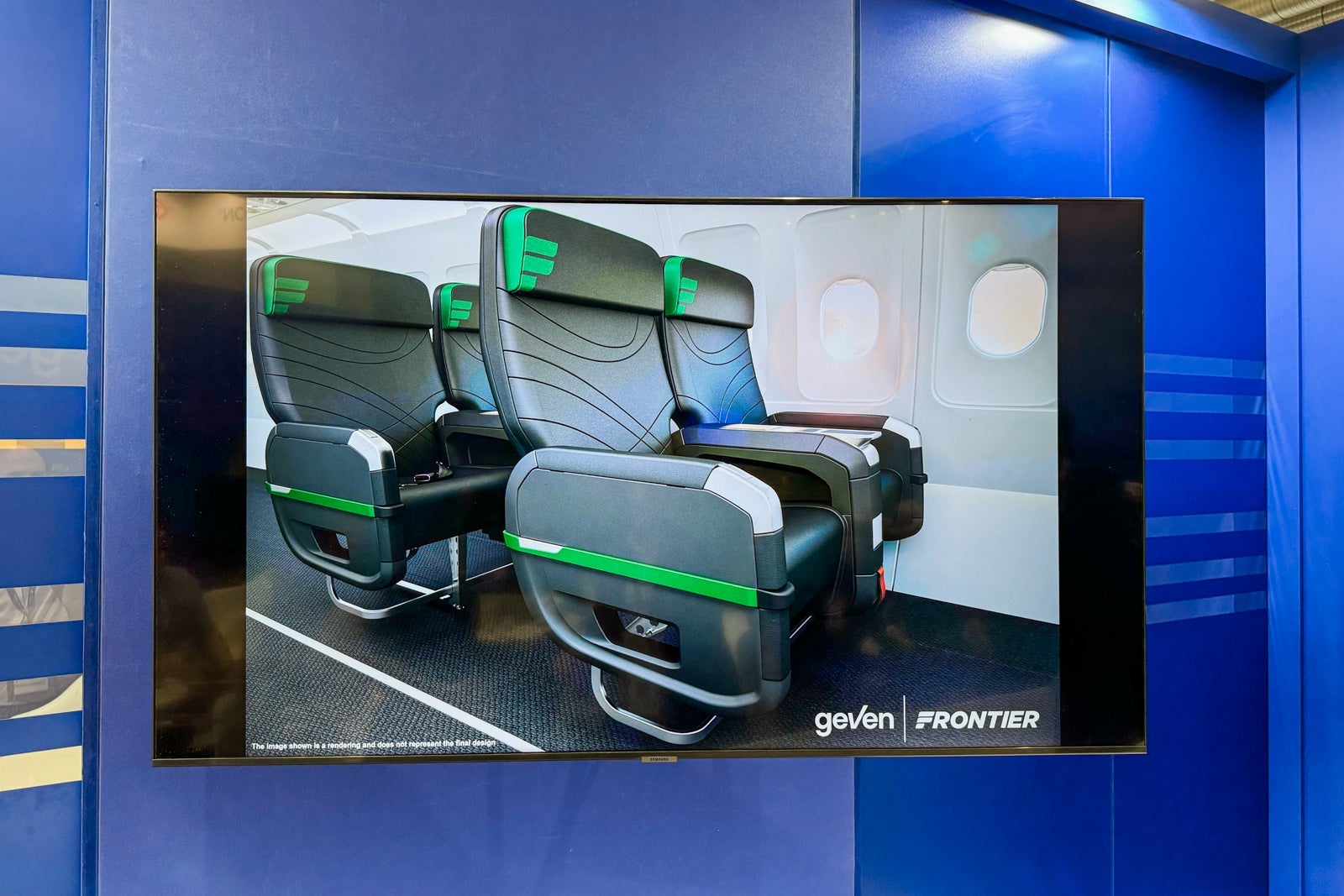
This fall, Frontier will debut long-awaited first-class seats on its Airbus planes.
It’s a premium offering that once would have been unthinkable for the Denver-based carrier — historically known for its no-frills, all-economy cabins and tight legroom.
Also on the way: Starlink Wi-Fi, easily the fastest inflight internet available today.

Reward your inbox with the TPG Daily newsletter
Join over 700,000 readers for breaking news, in-depth guides and exclusive deals from TPG’s experts
Together, these upgrades should mark a significant pivot from Frontier’s past onboard experience. It wasn’t that long ago that the airline’s former CEO invoked Walmart and Costco when talking about the role of budget carriers.
But succeeding in 2026 is different: Airlines are convinced they need high-end seats and perks to upsell passengers, court them to their loyalty programs — and ultimately, to their credit cards.
Delta Air Lines and United Airlines have famously ridden that playbook to the industry’s top profits since the COVID-19 pandemic. And Spirit had been hoping to deploy a similar strategy before a surge in oil prices this spring eroded whatever financial runway it had left.
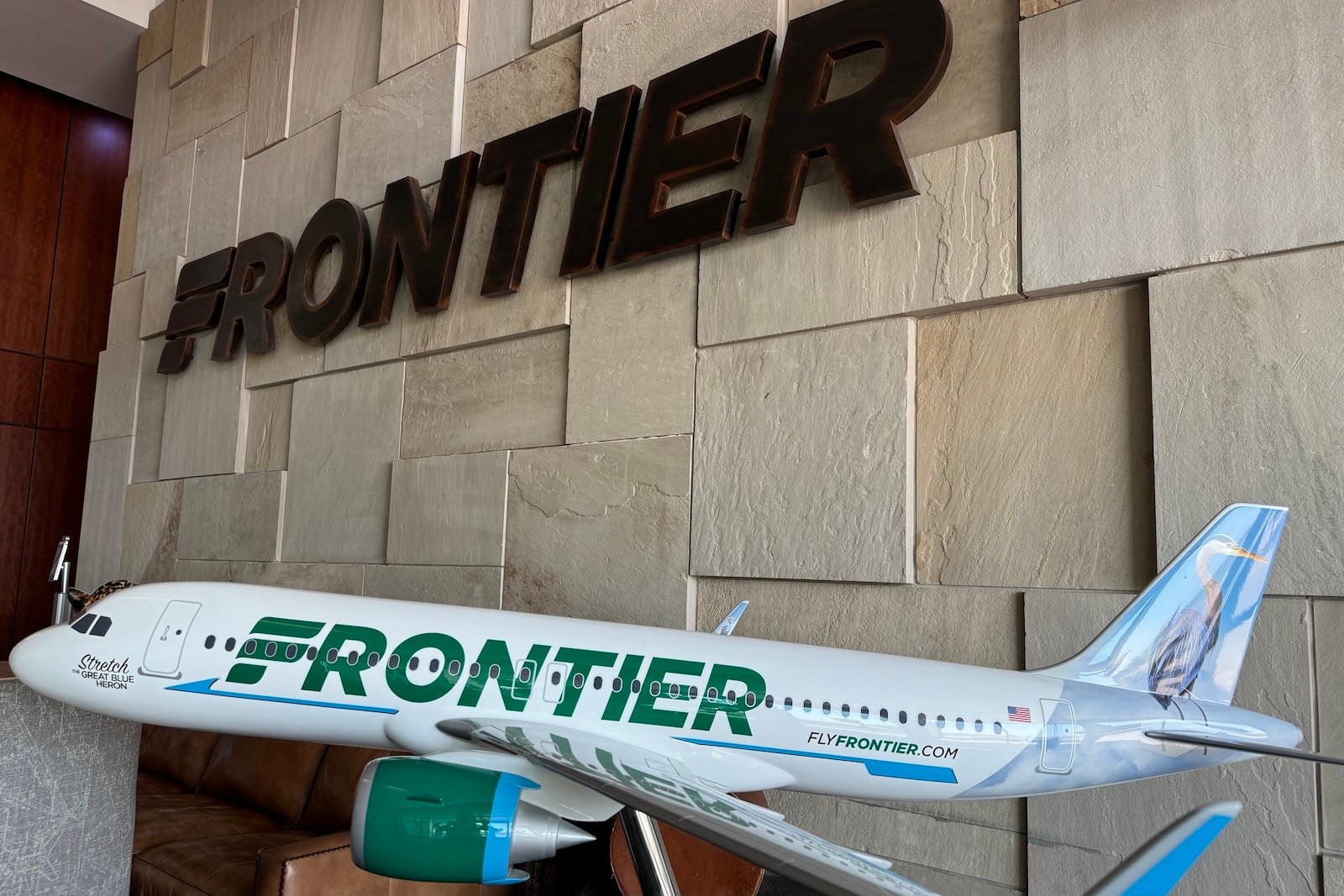
“We’re adapting the airline for the playing field we’re on,” Dempsey said of Frontier’s thinking. “I think some of these enhancements that we have coming — like first-class seats and Wi-Fi — give us a better platform to sell to the customer. To kind of grab their loyalty into our business.”
Improving operations
All of that sounds great.
But, let me ask you this: Have you or a family member ever flown Frontier and gotten stranded because a twice-a-week flight got canceled?
The airline has routinely ranked last in TPG’s Best Airlines Report, due in part to its spotty history of delays and cancellations.
Frontier needed to fix those operational problems if it wanted to truly boost its standing with customers, Dempsey said in January, shortly after assuming the CEO post.
The early signs are encouraging.
Signs of improvement
Through the first half of the year, Frontier had climbed to the middle of the pack among U.S. airlines when it came to on-time performance — a notable improvement.
“We’ve taken a step forward. We need to take multiple steps forward from here,” Dempsey acknowledged, noting it would likely take through 2027 to get the carrier “into a really good place.”
Getting maintenance right
A key focus?
Improving its maintenance work at its bases around the country — specifically, making sure planes that go in for service overnight are ready for the first flight the next morning.
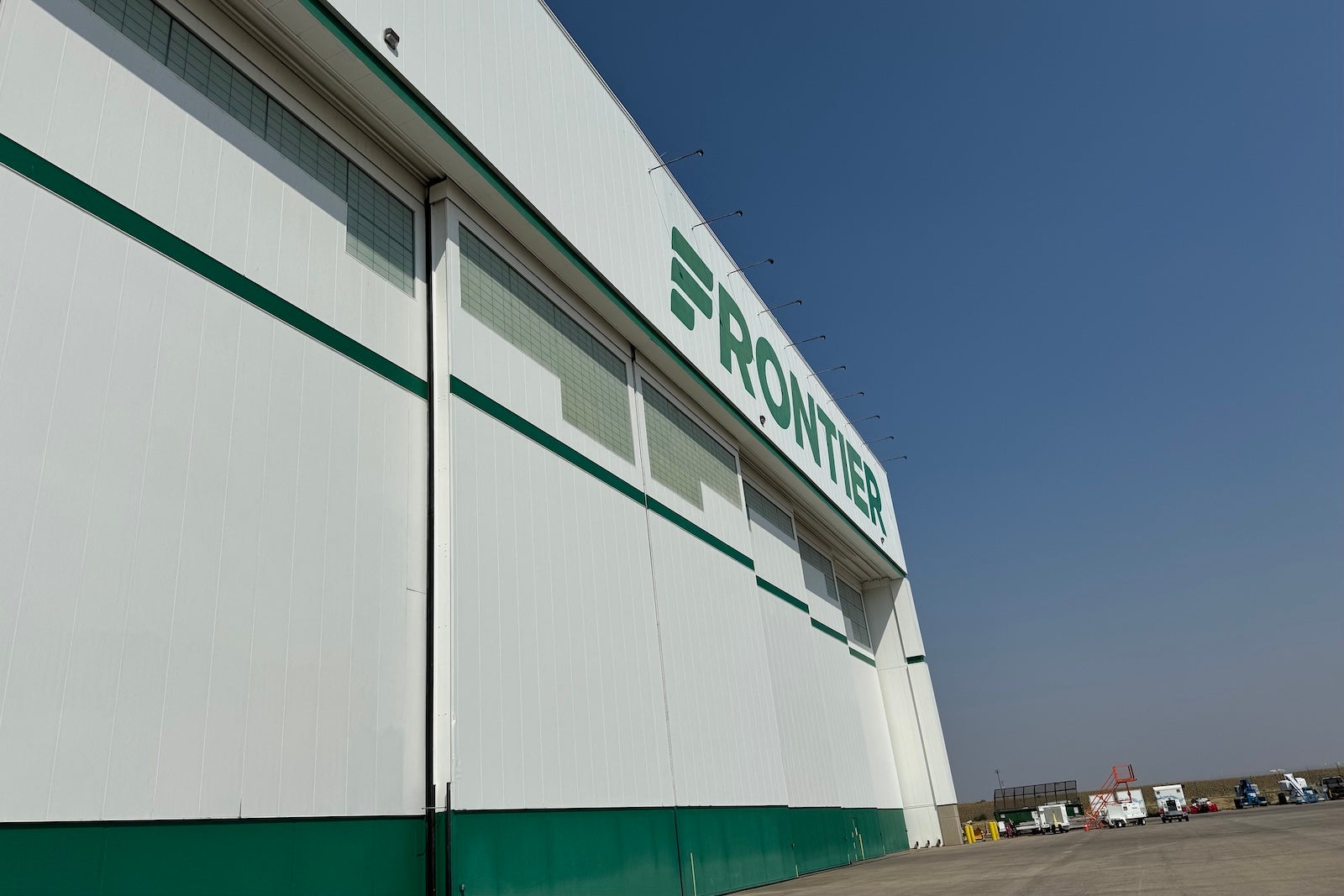
“If you start cleanly in the morning,” Dempsey said, “the airline tends to run on time for the rest of the day.”
A push for loyalty
Ultimately, Dempsey sees improving Frontier’s operational reliability as part of the same effort to drive loyalty among its customers.
The carrier wants to become an airline passengers willingly choose to fly — and earn miles with. And redeem those miles. And pursue status (thanks to new perks launched in the last year).
Will it work?
Plenty of analysts still question budget airlines’ ability to thrive in a market that’s dominated — especially on the loyalty front — by a small number of large carriers.
JPMorgan analyst Jamie Baker recently wrote that it’s “still not clear” whether Frontier can “profitably and permanently” make inroads.
Dempsey, though, remains confident in Frontier’s core mission — “Everybody wants low fares, right?” he said.
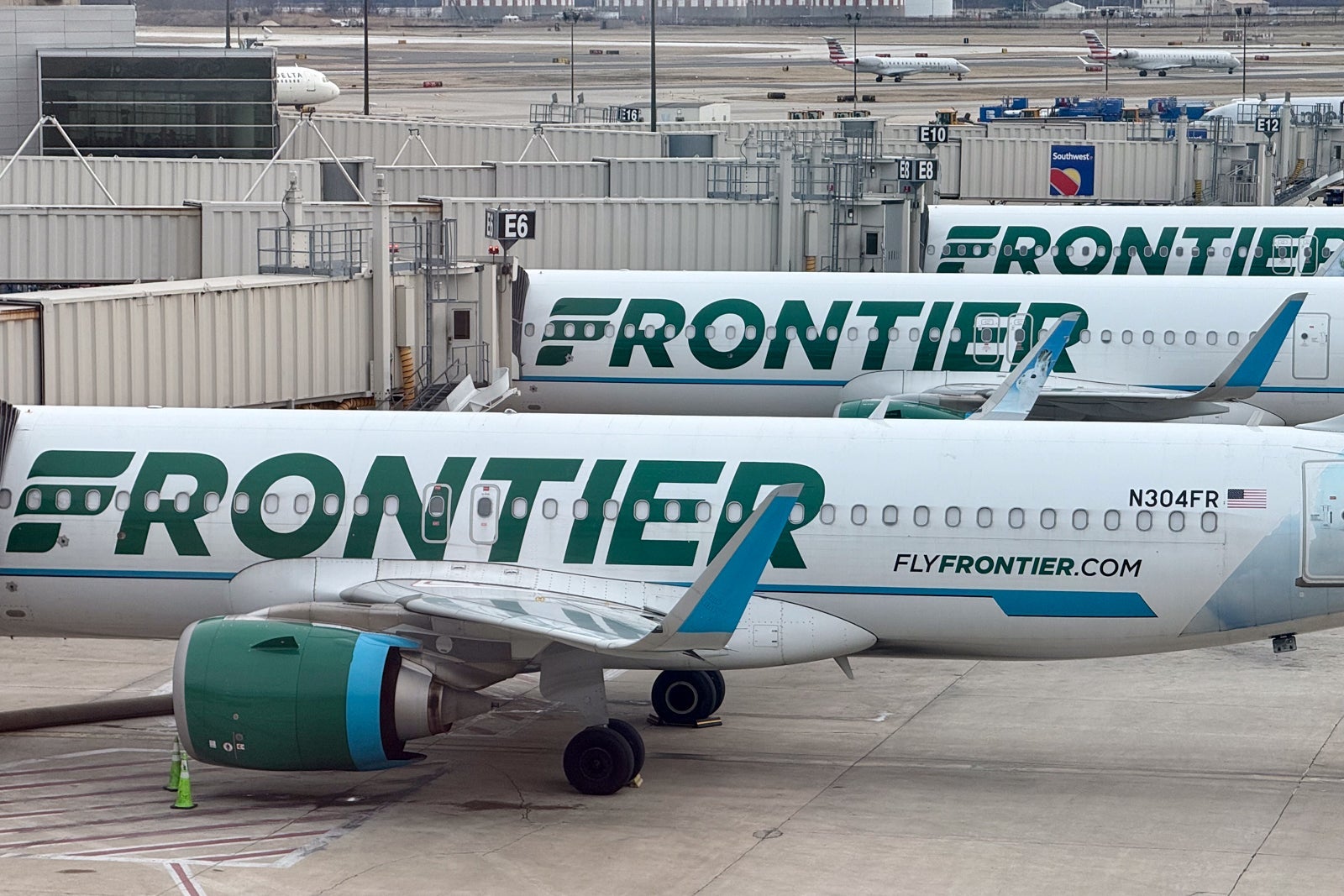
He’s also encouraged by the numbers: During the second quarter of this year, for instance, the company saw a 30% surge in credit card sign-ups versus last year.
It’s a sign, he believes, that customers are buying into its changes.
“The fact that we’re giving significant value to customers, I think, will resonate over time,” he said. “Particularly if we run a better operation and drive a really, really attractive loyalty program to align with that.”
Related reading: