dailynewsnblog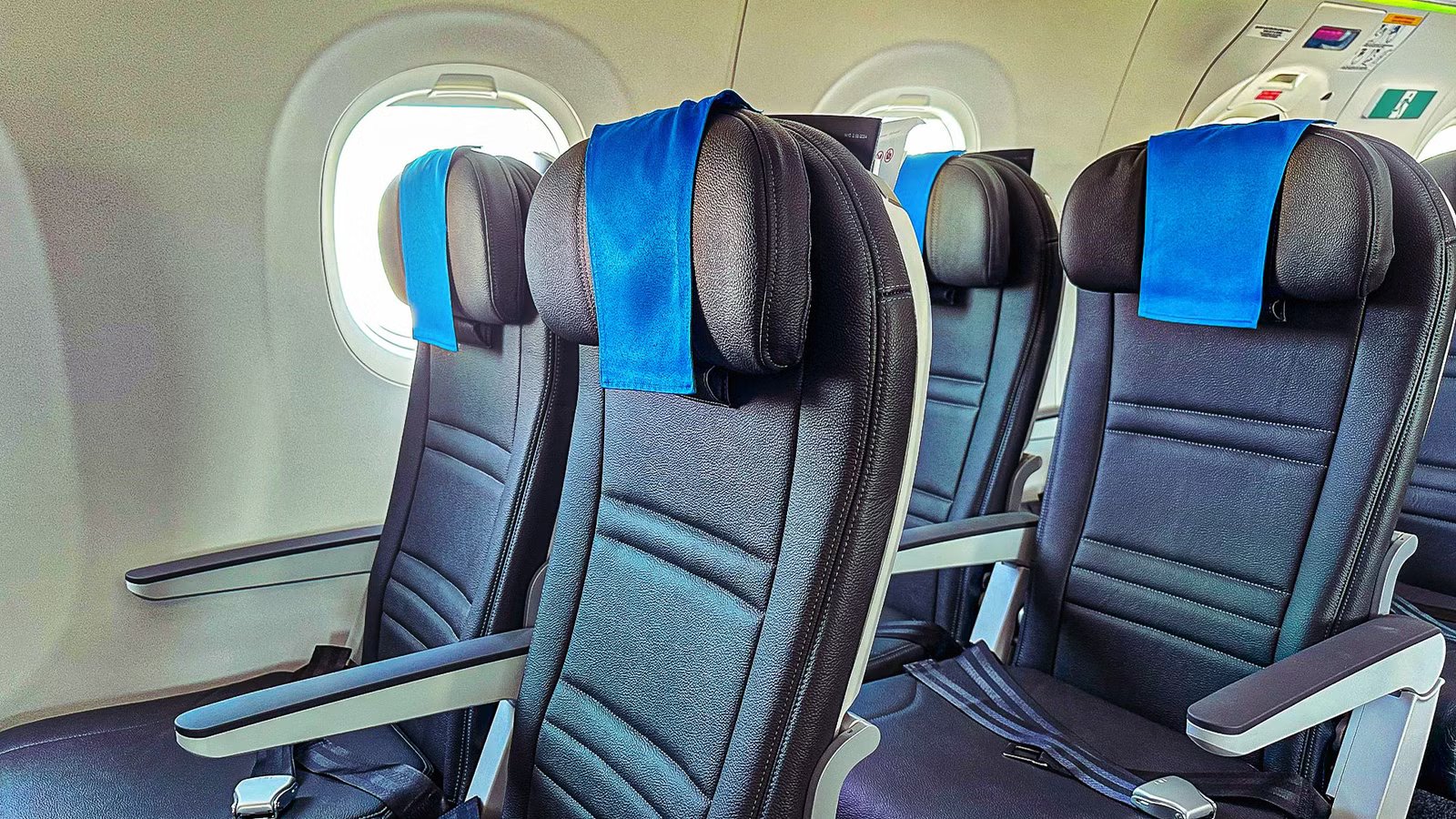
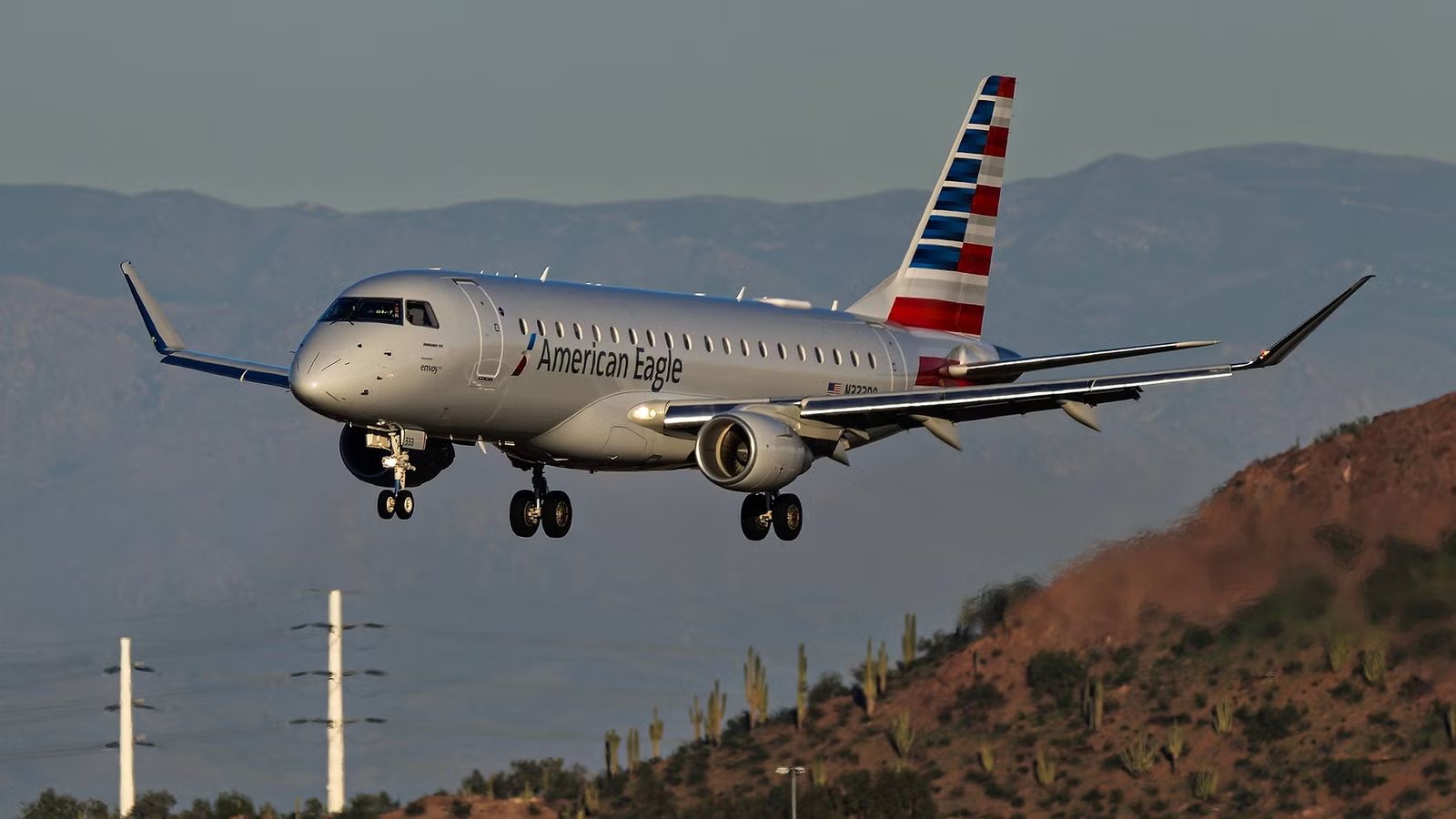
Frequent flyers often assume that stepping onto a long-haul widebody airliner guarantees a superior passenger experience compared to boarding a small regional jet. However, cabin geometry tells a very different story when evaluating elbow room and hip space in economy class. The Embraer E-Jet family is a real outlier in the regional jet market, offering wider economy seating than many high-density intercontinental jets while removing the dreaded middle seat.
What is clear to see when looking at how the airline market has evolved in recent years is that major carriers have reconfigured flagship twin-aisle jets to squeeze extra seats into every row. Regional manufacturers, on the other hand, rethought cabin architecture from the ground up. Embraer designed its E-Jet series around a four-across layout that pushes individual seat width and makes the most out of personal clearance.
Fitting As Many Seats Onboard As Possible

Widebody airliners have always been seen as the pinnacle of passenger comfort in commercial aviation. Long-haul travel was defined by generous cabin cross-sections that allowed for wide seats and spacious aisles across economy class. That advantage began to lessen slightly as airline financial models shifted toward maximizing seat counts on intercontinental routes. Today, the space allocated to economy passengers on flagship twin-aisle jets has compressed significantly compared to historical standards.
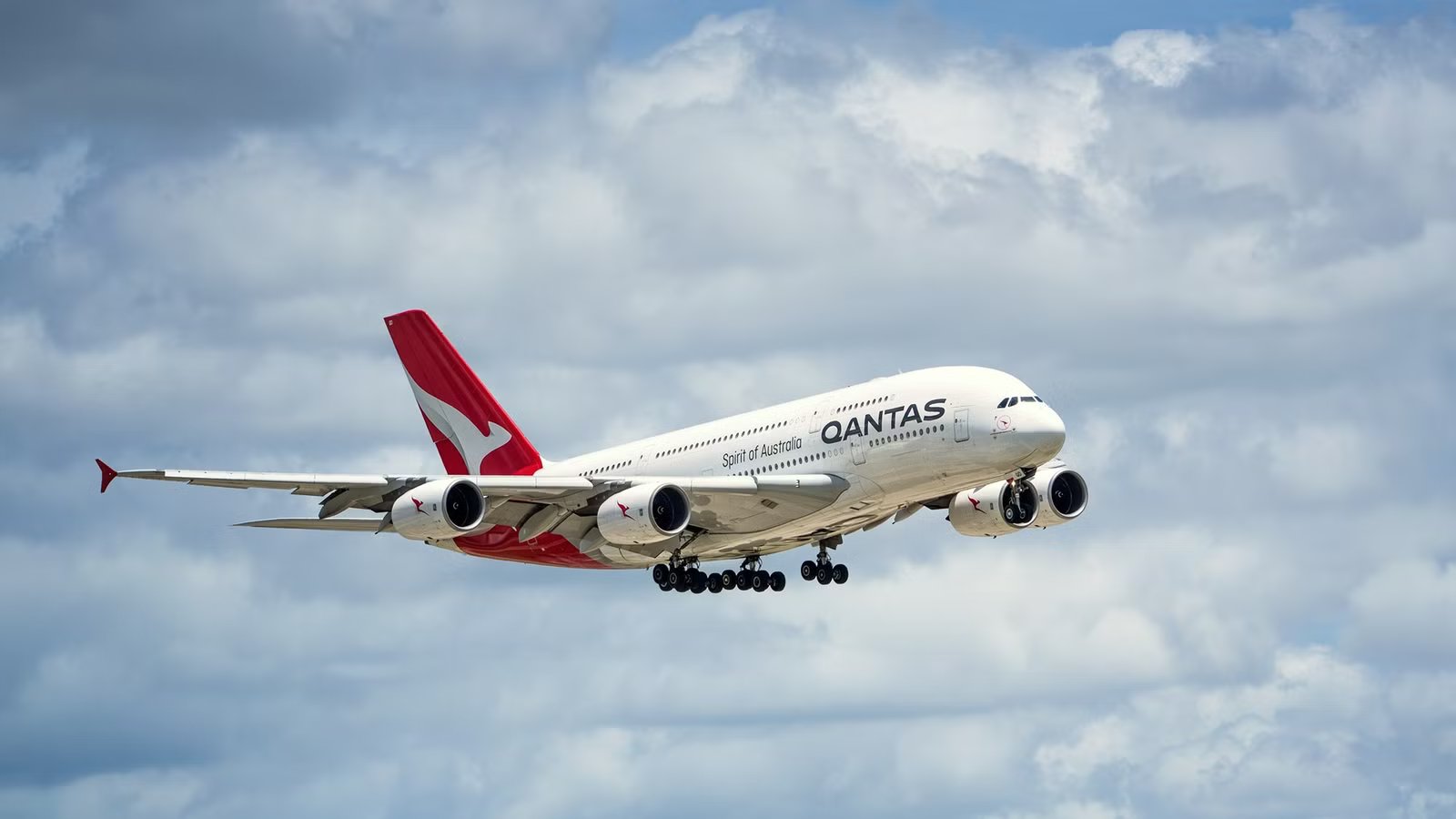
The most pronounced example of this ergonomic compression occurred when airlines transitioned the Boeing 777 economy cabin from a traditional nine-abreast layout to a ten-abreast configuration. Fitting ten seats across a cabin width of 19 feet, 3 inches (5.87 meters) led seat manufacturers to shrink individual seat widths down to roughly 17 inches (43.2 cm) while narrowing aisles to 16.5 inches (41.9 cm). A similar dynamic played out on the Boeing 787, where nine-abreast seating became the industry standard, yielding seat widths of 17.2 inches (43.7 cm) compared to the roomier eight-abreast concept originally envisioned for the airframe.
This almost unanimous tightening of widebody cabin density created a counterintuitive output for passengers. Naturally, a passenger stepping onto an intercontinental flight would expect to be greeted with an expansive environment, but they often end up squeezed into narrower seats than those found on short-haul regional flights. High-density seating models prioritize overall passenger count over individual seat dimensions, leaving long-haul travelers with limited lateral hip room and restricted shoulder space during journeys lasting eight hours or more.
What Is Embraer’s Place In The Market?

The Embraer E-Jet series distinguishes itself by prioritizing passenger cabin ergonomics over pure maximum density capacity. Looking at narrowbody aircraft like the Boeing 737 and Airbus A320, which often struggle to balance aisle space with seat width, the E-Jet family, by comparison, standardizes economy seating at 18.25 inches (46.4 cm) in width. This measurement is a key foundational element of the aircraft’s cross-section design, giving passengers an experience of a consistent level of personal space that remains untouched by the aggressive cabin densification seen in larger fleets.
Catch what other flight trackers miss
Emergency squawks, holds, NOTAMs — live signals, no signup.
Open tracker
Catch what other flight trackers miss
Emergency squawks, holds, NOTAMs — live signals, no signup.
Open tracker
Most Boeing 737 MAX and A320 aircraft feature seats up to 18 inches (45.7 cm) wide at best, though they are usually narrower, and while a difference of roughly 1 inch (2.5 cm) might seem negligible on paper, it has a measurable impact on lateral shoulder and hip clearance during the flight. Avoiding the cramped 3-3 configuration typical of larger narrowbodies means the E-Jet allocates more space to every individual, directly challenging the assumption that only larger aircraft can provide a comfortable cabin environment.
For passengers, these technical differences translate into a significantly different sensory experience. The wider seat width provides essential separation, reducing the amount of contact between neighbors, while the more generous aisle width facilitates faster boarding and deboarding. Embraer has shown that the race to the bottom that defines much of the economy market is not on its agenda, making an effort to show that regional jets can actually outperform the widebody giants on the specific metrics that matter most to the traveler.
What Fuselage Design Can Actually Do For Passengers

Those who have spent plenty of time hunching shoulders toward the center of the cabin to avoid the cold, arching plastic of a curved fuselage, know exactly what is wrong with most regional aviation. Many regional jets, particularly older designs like the Bombardier CRJ family, use a circular fuselage cross-section. Having this geometry means the cabin walls sweep inward abruptly at shoulder height, leaving window-seat passengers with minimal space to lean or even shift their posture. It creates a psychological sense of confinement that persists from takeoff to touchdown.
Embraer solved this with a clever bit of design known as the double-bubble fuselage. Instead of a single, perfect circle, the cabin architecture essentially joins two unequal circles, creating a wider, flatter floor pan and near-vertical sidewalls. The idea was to shift the widest point of the fuselage up to shoulder level rather than floor level, which results in an expansive sense of volume that is absent in older narrowbody aircraft.
Embraer’s decision for cabin structure offers more than just aesthetic relief. The sidewalls are near-vertical, so the space beneath the window seat remains open and accessible, providing genuine room for under-seat storage that does not lead to contorting your feet or belongings. It recovers the dead space that defines traditional circular fuselages, making the cabin feel far more purposefully designed. For a passenger, this simple engineering change transforms the window seat from a cramped penalty box into a spacious, private corner of the aircraft.
The Perfect Configuration?

The most pervasive source of anxiety in modern economy travel is the middle seat lottery. On a standard 737 or A320, the three-across seating arrangement means that one-third of the passengers are trapped between two strangers, deprived of both the window view and easy aisle access. The layout is a byproduct of high-density demand, but it comes at a high cost to the passenger experience. The Embraer E-Jet family renders this entire dilemma obsolete by using a four-across, two-by-two configuration.
In this cabin, every passenger has an equal probability of landing a seat with a view or a seat with a quick exit. It is actually quite a simple idea that gives way to excellent seating options: 50% of travelers get a window, and 50% get an aisle. You will never find yourself squeezing into the narrow gap between two other passengers, and the crew benefits from a cabin that is significantly easier to navigate during service and emergency egress.
When the middle seat is removed, the primary friction point of boarding goes out with it. Passengers move into their rows faster, the aisle remains clear of people climbing over one another, and the overall cadence of the flight becomes smoother. It is a rare instance where the airline’s desire for a smaller, efficient regional airframe aligns perfectly with the passenger’s desire for personal space and dignity.
A Diverse Operational Profile

North American regional networks generally use the E-Jet to solve the logistical puzzle of high-frequency feeder routes, whereas international carriers have taken a different, more strategic approach. Airlines in markets like Japan and Canada are not only using these aircraft to move bodies between hubs, but are actually positioning the E-Jet as a premium product. In these regions, the absence of a middle seat is treated as a central pillar of their brand identity, turning the perception of a regional flight on its head.
Consider the Japanese market, where precision and passenger comfort are held to an exceptionally high standard. Carriers such as J-AIR (a subsidiary of Japan Airlines) and Fuji Dream Airlines operate the E-Jet family with configurations that emphasize personal space. J-AIR, for example, utilizes a unique 1-2 configuration in its Class J cabin, a single-seat side for those traveling solo. It allows passengers flying out of hubs like Osaka Itami to experience a level of exclusivity usually reserved for international widebodies. Similarly, Canada’s Porter Airlines has built its entire competitive strategy around the Embraer E195-E2, utilizing an all-economy 2-2 layout to aggressively challenge the larger, denser narrowbody fleets of its competitors.
The success of these carriers provides a compelling plan for the future of regional travel. When an airline chooses to stop densifying its cabins, it gains a measurable advantage in customer sentiment. Passengers who fly a 2-2 configuration on a regional jet from Osaka to a secondary Japanese city, or from Toronto to a business hub in the United States, arrive at their destination less fatigued than those squeezed into a 3-3 setup on a larger plane. These carriers have recognized that in a world of standardized, cramped economy cabins, the Embraer E-Jet serves as a powerful differentiator.
Developments Are Still Ongoing

Embraer did not rest on the success of the original E-Jets. The E2 family, specifically the E190-E2 and E195-E2, is the manufacturer’s comprehensive rethink of regional economics and passenger comfort. Engineers carefully maintained the core DNA of the cabin, preserving that critical 18.25 in (46.4 cm) seat width that set the original series apart, but upgraded the core metrics that make an aircraft stand out to a potential airline customer, such as range and fuel economy.
The E2 series introduces significant interior and mechanical refinements that elevate the cabin experience even further. The integration of Pratt and Whitney GTF engines has dramatically lowered the noise floor inside the cabin, creating a serene environment that rivals or exceeds the quietest widebodies in the sky. Furthermore, the overhead bins have been completely reimagined to support modern travel habits, utilizing rotational technology that allows standard roll-aboard luggage to be stored sideways. The E2 design change helps solve the perennial regional jet problem of gate-checked bags, allowing passengers to carry their full-sized suitcases on board with ease.
When booking a trip, it is time to stop viewing aircraft size as the ultimate indicator of cabin quality. In reality, manufacturers like Embraer can show that the exterior looks are truly deceiving, offering a cabin experience that few other aircraft in the narrowbody segment offer. It may not be as common a sight when compared with a 737 or A320, but the Embraer E-Jets are easily one of the most exciting aircraft types to travel on.