dailynewsnblog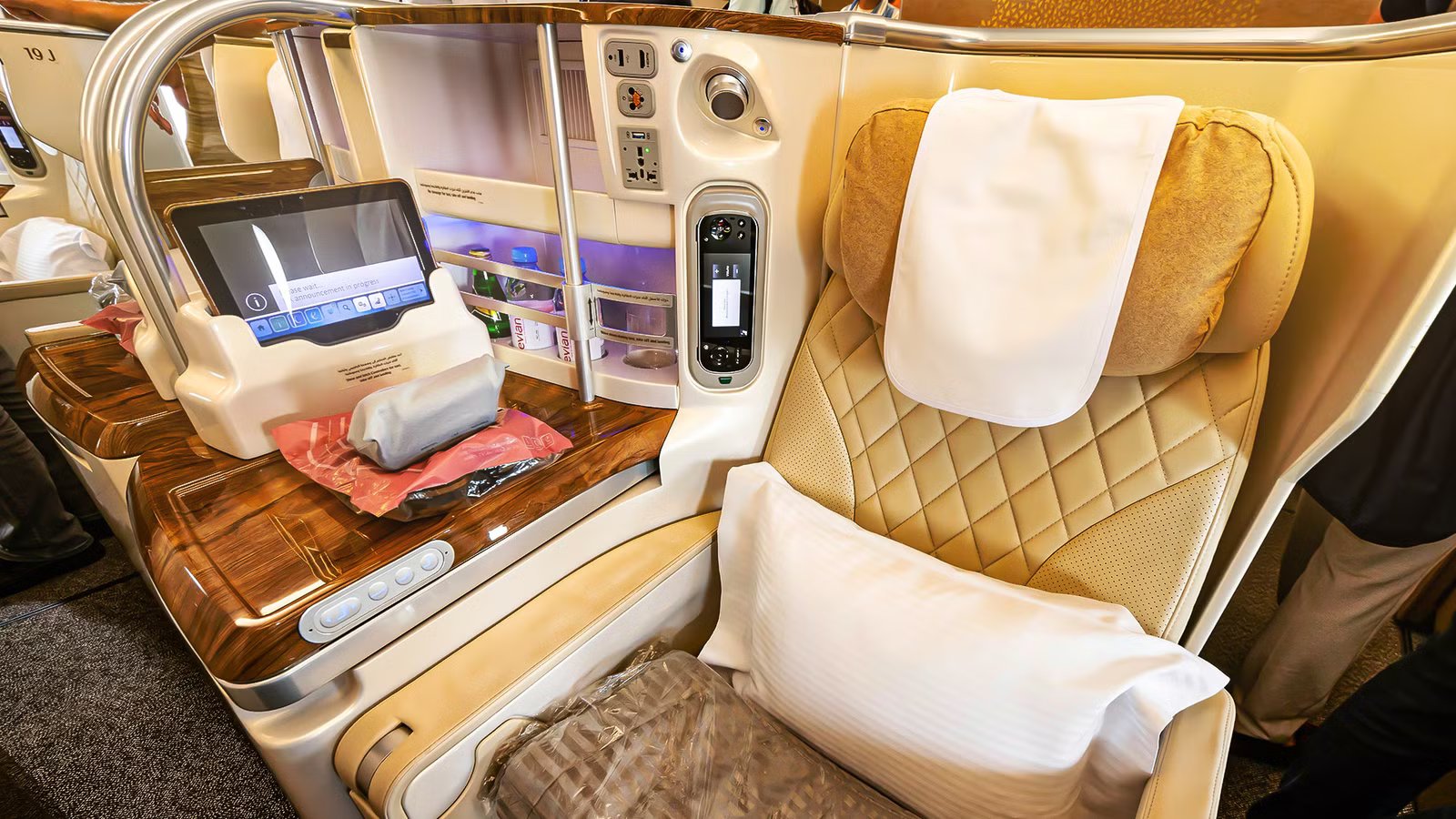
The frequent flyer ecosystem has operated on a silent contract between airlines and their most loyal customers, but now that contract seems to be ending. There was once a period defined by the exploitation of fixed award charts, complex routing rules, and the mathematical beauty of carrier-imposed surcharges. Travelers spent years reverse-engineering award flight availability, viewing the loyalty landscape as a puzzle where deep knowledge of program intricacies provided access to premium cabins for a fraction of their cash value.
That period has been replaced by one with far more rules and regulations, making the top elites more isolated and the rest unable to access what they once could. From  United Airlines terminating the Excursionist Perk to restricting of
  Emirates first class to elite members, these were aggressive defensive measures designed to protect the profitability of premium cabin inventory.
United Airlines Excursionist Perk
Instant upgrades and free flights
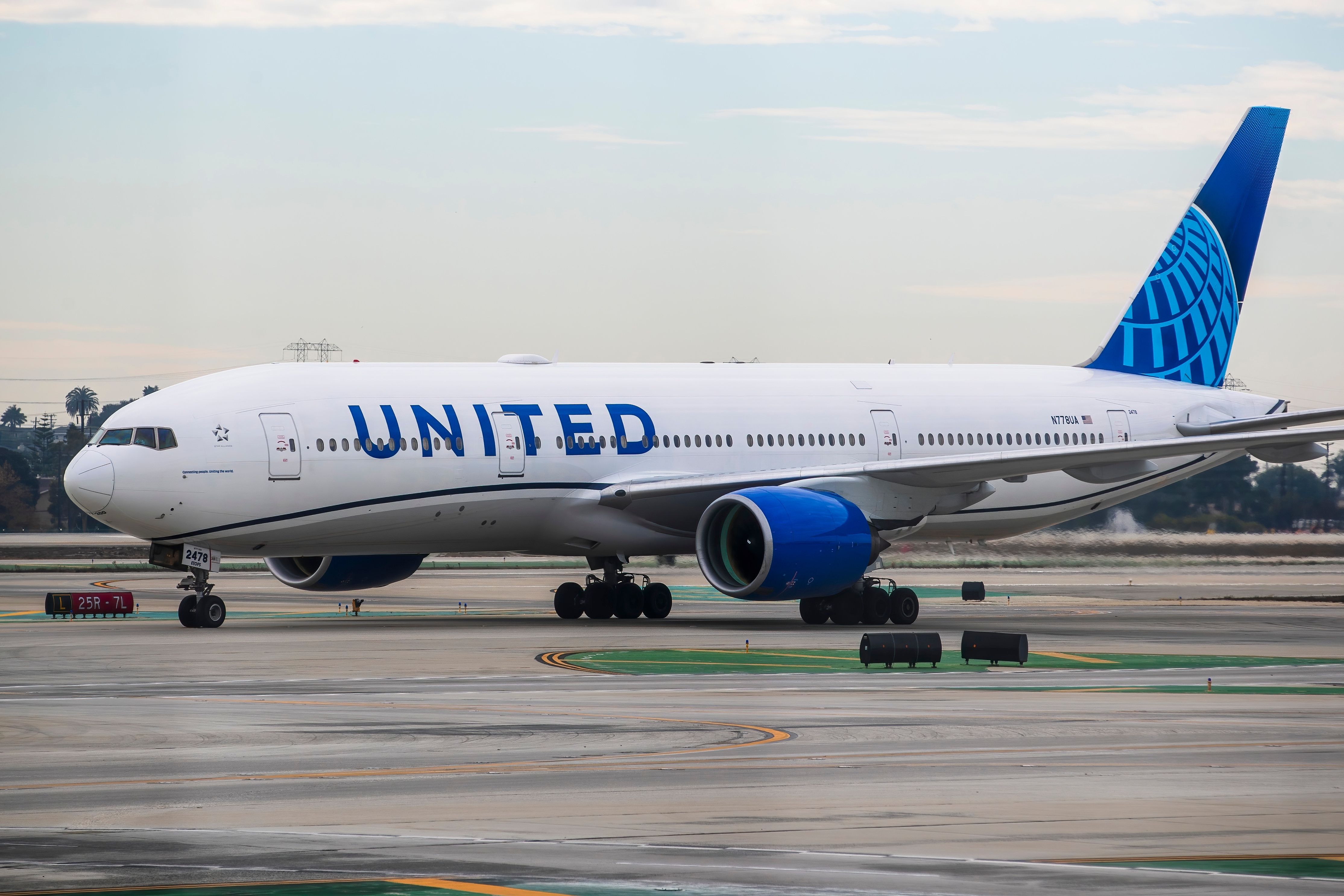
The tearing apart of the United AirlinesMileagePlus program is easily one of the most significant structural changes in North American frequent flyer history. The Excursionist Perk has long served as the gold standard for multi-city travel, allowing travelers to book itineraries across 3 distinct geographic regions and add on a free one-way flight within the middle region. This loophole permitted creative routing, such as visiting Tokyo, flying to Seoul for free, and continuing to another Asian destination, without increasing the award cost. After August 21, 2025, United closed this door, removing travelers from complex, high-value routing and back into a linear, more expensive booking model.
Alongside this, the airline targeted the certainty of the premium cabin experience by removing instant upgrades on full-fare economy tickets. Previously, purchasing a full-fare economy ticket allowed travelers to instantly gain a business or first-class seat if inventory was available. When United retired its fixed upgrade charts on November 24, 2025, it removed the predictability that business travelers relied upon. What this move did was push high-value passengers into the waitlist system, where seat availability is managed by proprietary revenue algorithms rather than customer loyalty.
The loss of these features was a defensive measure intended to protect premium cabin profitability by forcing higher cash or point spending. United, removing the ability to hack an upgrade or a free segment, guaranteed that its premium seats were sold for cash or at higher point costs driven by dynamic pricing. For those who spent years refining their ability to navigate these rules, the closure of these loopholes feels like the loss of a real competitive advantage.
ANA Star Alliance Round The World Award
A simple way to journey the world
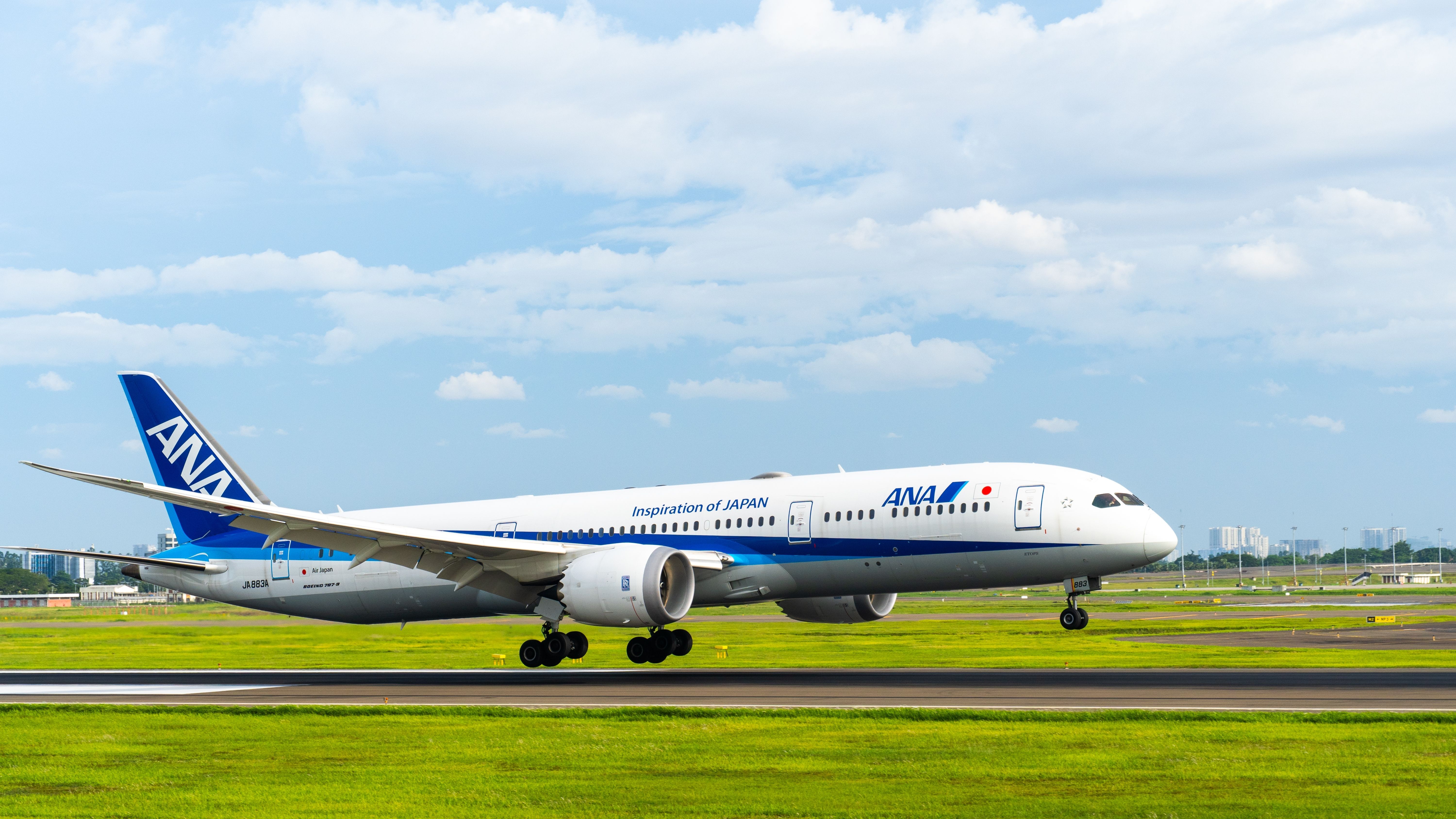
The All Nippon Airways (ANA)  Star Alliance Round the World award was widely considered the ultimate hacker tool, allowing travelers to book massive, multi-stop global itineraries for a fraction of the cost of individual flights. Travelers could construct complex journeys covering 20,000 miles (32,187 kilometers) or more, weaving together multiple Star Alliance carriers under a single ticket, using fixed pricing based on total mileage rather than point-to-point segment pricing. It was a mathematical marvel that exploited the lack of dynamic pricing on alliance-wide partnerships, offering unparalleled access to first and business class cabins globally.
Catch what other flight trackers miss
Emergency squawks, holds, NOTAMs — live signals, no signup.
Open tracker
Catch what other flight trackers miss
Emergency squawks, holds, NOTAMs — live signals, no signup.
Open tracker
This loophole faced its expiration on June 23, 2025, when ANA ceased the issuance of these specialized tickets. The termination of the program effectively removed the most flexible award vehicle in the Star Alliance portfolio. Travelers who used this tool could view airline loyalty programs as an operating system they could program, customizing every segment to get the most value out of their points balance. The sudden closure of this window therefore left a vacuum where previously, a single booking could account for weeks of international travel.
In actuality, ANA’s decision is consistent with a broader industry trend where airlines are moving to seek out and remove global network anomalies that allow for such extreme arbitrage. Without the RTW option, travelers would be restricted to point-to-point redemptions, which are significantly more expensive and subject to stricter, individual carrier availability rules. The closure of this loophole signifies that the era of the global itinerary builder is largely over, replaced by a system that prioritizes simple, direct, and higher-cost redemptions that align more closely with retail market values.
Emirates & Qantas First Class Upgrades
Adding restrictions and limits all over
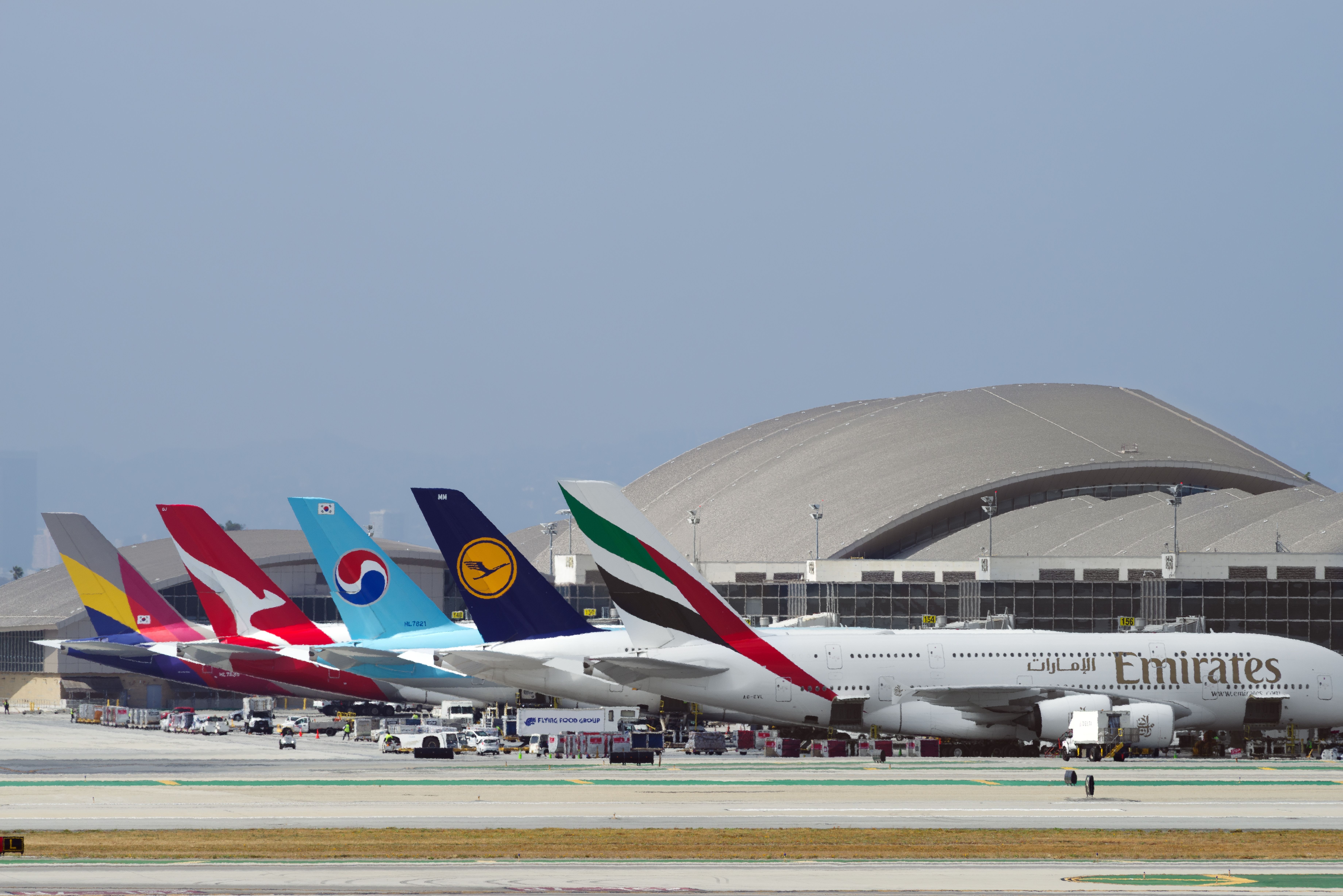
Having unrestricted access to the pinnacle of commercial aviation, Emirates first class, is no longer as straightforward, replaced by a gated tier system that prioritizes airline elite status over point balances. Effective May 12, 2025, Emirates implemented a strict policy restricting first class ‘Classic Reward’ bookings exclusively to members holding Emirates Skywards Silver, Gold, or Platinum status. This move locked out base-level members and credit card point accumulators, regardless of how many miles they had accrued. As a result, Emirates shifted its most aspirational cabin from a product available to any strong-willed point collector into a privilege reserved for the airline’s most consistent high-value customers.
Qantas followed this defensive trend, tightening its partnership rules to match the restrictive nature of the Emirates Skywards program. As of January 21, 2026, Qantas implemented a minimum age requirement of 9 years for Emirates first class redemptions, and by February 18, 2026, it restricted these bookings to Qantas Frequent Flyers with Silver status or higher. Furthermore, the airline announced a significant devaluation of its points-to-seat ratio, with first class award costs increasing by approximately 20% effective March 31, 2026. These combined measures (age limits, status requirements, and increased points costs) have made the once-in-a-lifetime first class award significantly harder and more expensive to secure than it was just 18 months ago.
Despite these heavy restrictions, a functional, albeit unpredictable, workaround remains for travelers who do not hold elite status. Travelers can still book an Emirates business class award and subsequently attempt to upgrade to first class using Skywards miles at the time of booking or check-in, provided that first class space has been released by the airline. While this, of course, is unaffected by the elite status restriction on direct awards, it is inherently risky, as upgrade availability is controlled by different revenue management algorithms than award seat release. For anyone determined to experience the shower in the sky without elite status, this remains the last viable technical loophole in a system that is rapidly closing its doors to the general public.
Air Canada Aeroplan Changes
Making reward-seeking much harder
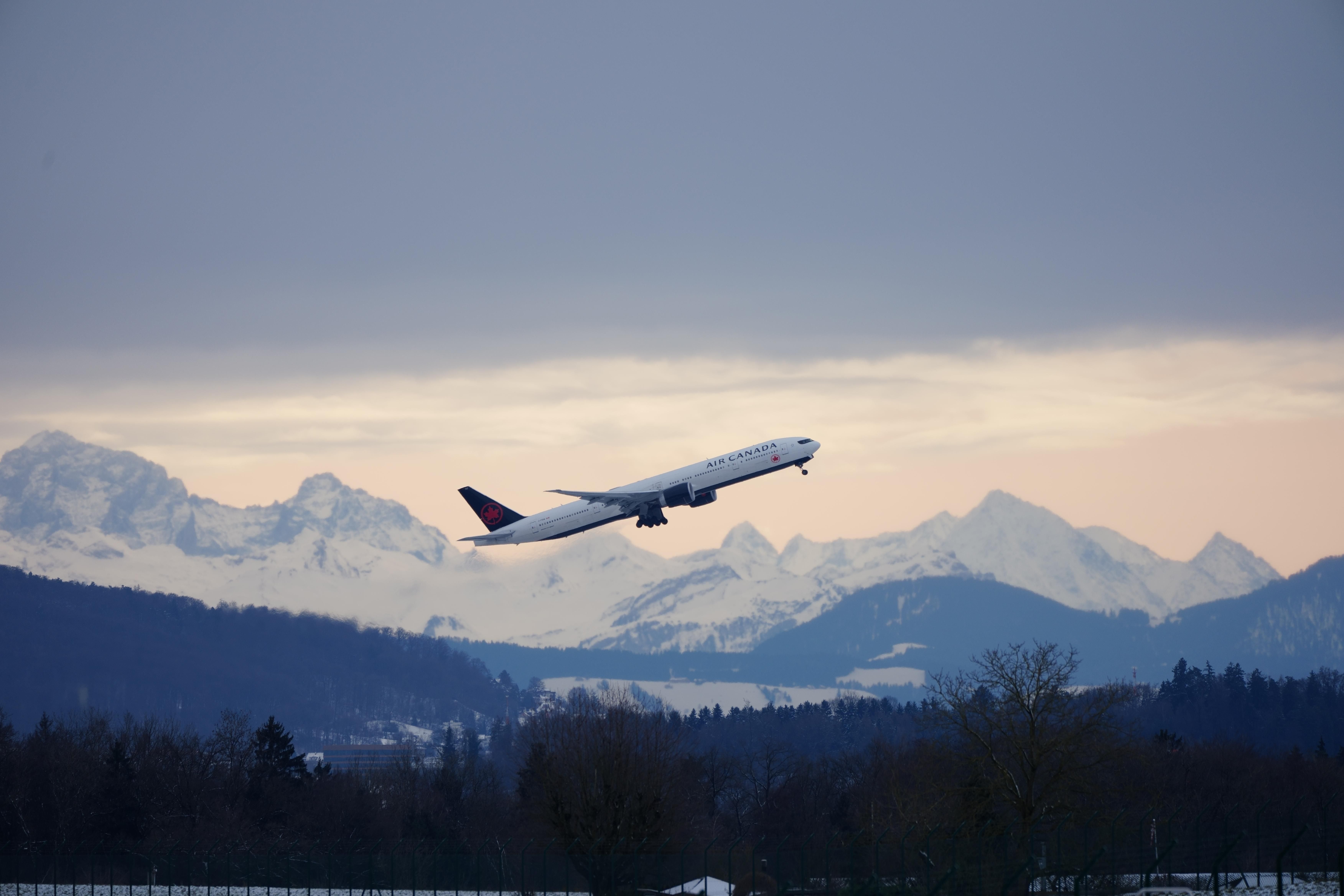
Air Canada’s Aeroplan program has long maintained its reputation as a haven for value-seekers due to its transparent, fixed-pricing partner award chart. The airline separated the cost of awards from the fluctuating cash price of tickets, which allowed members to book premium cabin partner flights at predictable rates, regardless of the retail cost. However, this created a structural imbalance for the airline, as the cost of redeeming points for long-haul business and first class seats on partner carriers often sat well below the economic value of the seat to the airline. On June 1, 2026, the program recalibrated its award chart, specifically targeting these long-haul sweet spots to better align point costs with the actual market value of these premium cabins.
The adjustments hit the most aspirational routes hardest, stripping away the amazing value that frequent flyers had exploited for years. For transpacific partner business class flights in the distance band of 7,501 to 11,000 miles, the cost increased from 87,500 points to 102,500 points, a 17% hike. Even more aggressive was the treatment of transatlantic first-class redemptions, which jumped from 100,000 points to 120,000 points, another 20% increase.
Routes that were previously considered must-book opportunities now demand a more critical evaluation of whether the points outlay is truly justified against the cash cost of a ticket. If anything, the changes  Air Canada made have taken the ease out of deciding where to spend miles and have almost discouraged those looking for a good deal. Air Canada has clearly moved the goalposts, telling its customers that the strategy of utilizing partner charts for cheap, high-end travel is becoming a relic of a more generous era.
Value-Per-Mile Losing Its Meaning
A change seen all over the industry
The frequent flyer community often talks about the value-per-mile metric, the relentless pursuit of the highest possible cents-per-point redemption. However, the closing of the loopholes detailed so far is something that can be applied to almost all airlines with a mileage scheme. Airlines have almost unanimously realized that allowing unlimited arbitrage on premium inventory undermines their ability to monetize those seats. Consequently, the game has shifted away from finding hidden sweet spots to finding reliable access through elite-tier exclusivity. For the modern traveler, the goal is no longer to beat the chart, but to qualify for the status that guarantees a seat at the table.
The shift is rooted in the broader industry move toward retail-centric loyalty ecosystems where status, not mileage balance, is the ultimate currency. Programs like United MileagePlus and Aeroplan have devalued the hacker approach by implementing dynamic pricing floors and elite-only gatekeeping. Finding stable, predictable inefficiencies is increasingly incompatible with an environment where award costs fluctuate in real-time based on demand and revenue yield. To survive in this new landscape, the view should be toward earning strategies that prioritize status-earning activities, such as high-spending credit card usage and consistent partner loyalty, rather than simply chasing the next big redemption loophole.
The tactical reality is that those who build a consistent, high-value relationship with a single program will be the most rewarded. Consolidating spend within one loyalty umbrella and focusing on the perks of high-tier status, travelers can be safe from the volatility of dynamic pricing. While the thrill of the one-time, massive-value hack may be fading, the consistent utility of lounge access, priority upgrades, and dedicated support remains a far more reliable asset. It is really just the maturation of the industry, where the free ride is replaced by the preferred customer, and those who adapt to this reality will continue to find value, just in a much more predictable form.