dailynewsnblog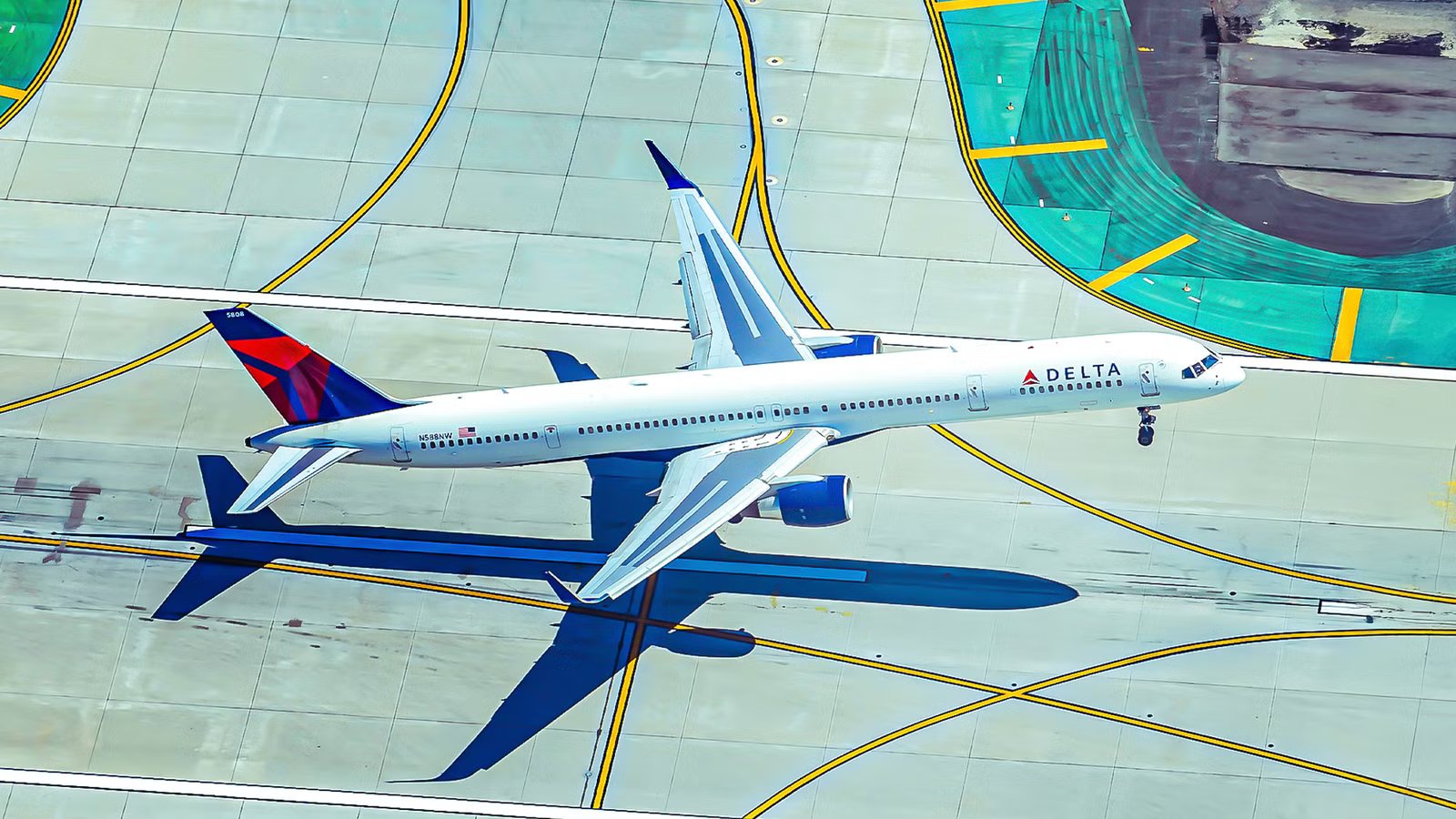
 Delta Air Lines is, by many metrics, one of the largest carriers not just in the United States or North America but, indeed, in the world as a whole. Like most American operators, its network model has it serving several hubs throughout the US because of the country’s large size and population. This ensures optimal coverage as it competes against the likes of American Airlines and United Airlines for market share.
However, of these nine hubs, Department of Transportation (DOT) data shows that six lost passengers year-on-year in the 12 months ending in April. This may be a cause for concern for Delta, although most of these declines were fairly minimal. Elsewhere, its remaining three hubs saw slight passenger growth in 2025/2026 compared to 2024/2025.
The Biggest Drops

While it has been growing its ops in Seattle of late as a result of increased competition from  Alaska Airlines, Delta’s main hub on the West Coast is
  Los Angeles International Airport (LAX). In the 12 months to April, Delta carried 13,439,470 guests to and from LAX, representing a 1.7% year-on-year decrease compared to the 13,671,676 flyers that it handled at LAX in the 12 months to April 2025.
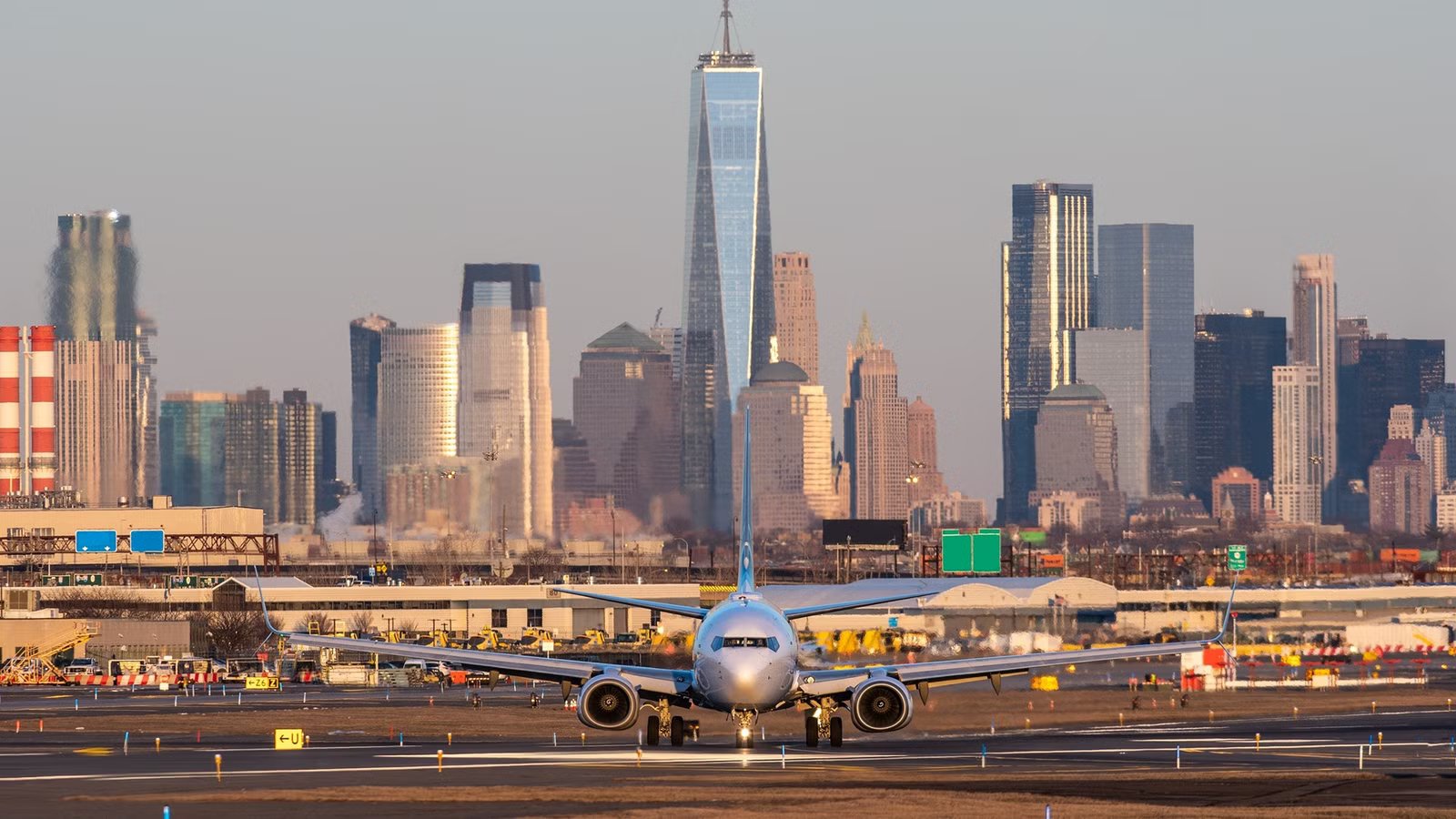
Over on the East Coast, two of Delta’s four biggest losers passenger-wise in the last financial year to April 2026 could be found in New York. Its LaGuardia total of 13,667,234 was 1.1% lower than the 13,816,823 guests that it handled there in the previous 12 months. New York-JFK fared even worse, with a 2.4% drop from 18,714,750 to 18,257,449, making it the biggest loser. The airline commented on its transcontinental service to JFK.
“Delta offers the most flights and seats of any carrier at JFK with more than 225 total peak-day departures to nearly 100 domestic and international destinations.”
Smaller Declines Elsewhere

Ranked third, in between LAX and LaGuardia, Delta’s Minnesota hub at  Minneapolis-St. Paul International Airport (MSP) also saw a decline last year, dropping by 1.3% from 24,815,603 to 24,495,018. For context, data from Cirium, an aviation analytics firm, shows that there were 30.6 million seats available on Delta-marketed flights at MSP in that period (24.4 million mainline and 6.2 million regional).
Elsewhere in the US, two more Delta hubs saw more negligible year-on-year drop-offs in terms of passenger numbers. Its secondary West Coast hub at  Seattle-Tacoma International Airport (SEA) in Washington was one such facility, falling by a factor of 0.3% from 12,349,600 to 12,310,370. In the 12 months to April 2026, there were 15.4 million seats available on Delta-marketed flights to and from Seattle.
Even Delta’s largest hub at  Hartsfield-Jackson Atlanta International Airport (ATL) was not immune from these declines. Admittedly, its drop-off was the smallest, at 0.2%, with the total only falling from 81,434,269 to a still huge 81,251,715. The carrier offered 98.8 million seats on its flights to and from Atlanta in the 12 months to April (92.7 million mainline and 6.1 million regional).
Passengers Are Up At Certain Hubs

It is important to note that it isn’t all doom and gloom when it comes to year-on-year passenger traffic development at Delta’s hubs. Indeed, three of these facilities saw annual growth in the 12 months to April 2026, with the best performer on this front being  Boston Logan International Airport (BOS). Here, two-way traffic rose from 10,972,120 passengers in 2024/25 to 11,239,494 passengers in 2025/2026.
 Detroit Metropolitan Wayne County Airport (DTW) had the largest growth in terms of raw numbers, and the second-largest proportionally. speaking. Indeed, its annual total climbed by almost half a million, rising by a factor of 2.2% from 22,846,144 to 23,340,073. Salt Lake City International Airport (SLC) completes the list, with the large Utah hub seeing a 0.6% annual increase as passenger totals rose from 18,567,498 to 18,674,576.
Simple Flying Quiz
Think you really know Delta Air Lines?
Answer 10 questions and put your knowledge to the test
Think you really know Delta Air Lines?
Answer 10 questions and put your knowledge to the test
Easy (15s)Medium (10s)Hard (5s)