dailynewsnblog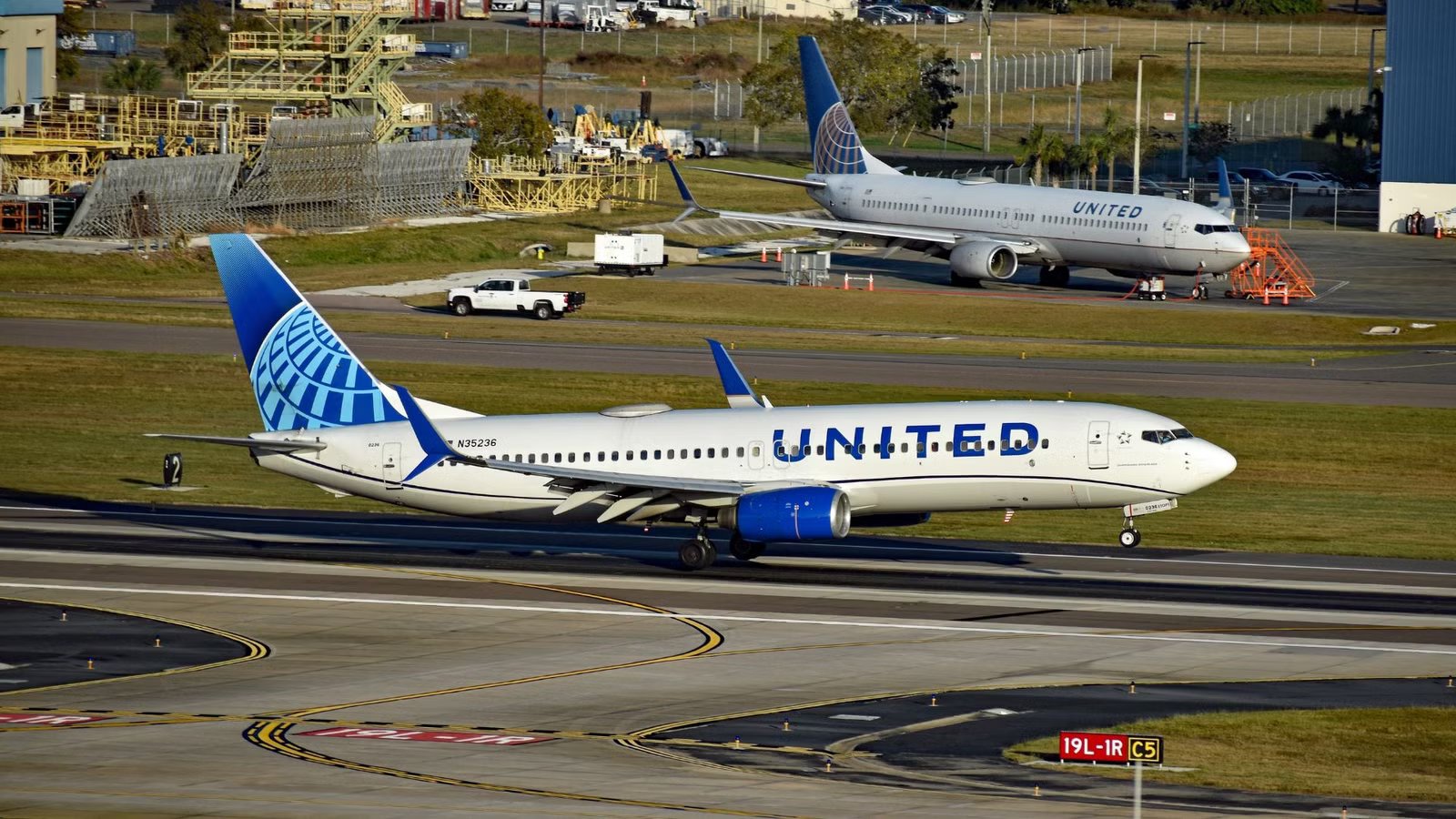
Star Alliance carrier  United Airlines will have to face a lawsuit that has come from passengers complaining after paying for a window seat, and once arriving at their allocated seat, discovering the seat had no windows. The U.S. District Judge has rejected United Airlines’ defense that the window referred to the location of the seat, not that it had a window to view the outside.
Judge James Donato rejected United’s bid to dismiss this lawsuit, and it comes as similar proposed class action suits against both United and  Delta Air Lines from August last year, following passenger complaints that they found themselves seated next to walls on the Boeing 737, Boeing 757, and Airbus A321.
United’s Defense Is That They Never Contractually Promised A Window

United has stood by its belief that the window seat did not contractually promise the seat would be located with a physical airplane window, and referred to the location of the seat within the cabin. This is common on some aircraft that select rows may not have a physical window to view outside.
The lawsuit has claimed that the airlines did not clearly disclose the missing windows to their passengers during the reservation and booking process, and that it can occur where some seats align with aircraft components such as air conditioning ducts, as reported by The Daily Record, and that as a result, the window itself may be absent.
United has refused to comment on the matter due to pending litigation; however, the airline has confirmed it has added additional detail to its process online, where customers now have more information on what to expect when selecting a seat.
Up To One Million Passengers Per Carrier

The current lawsuit is seeking millions of dollars in damages from the claim, and has been brought forward by more than one million passengers per airline (alongside  SkyTeam partner Delta). United has had its argument quashed by Judge Donato, that the federal law preempted the passengers’ claims.
Donato has expressed that the airline should be able to provide window seats if passengers had paid for them, and that following this, there is no more information needed at this stage for the breach claim to proceed. Plaintiffs have argued that the individuals purchasing the window seat were doing so due to fear of flying, nausea from motion sickness, and for the entertainment of children onboard, amongst more daylight or a view.
Delta, which is facing a similar lawsuit, has continued to dismiss the claims in the New York Federal Court. Delta has allegedly been charging premiums for window seats that were positioned against blank walls. The claims seek millions for the misrepresented seat features and for the airline did not disclose the missing windows during the booking process.

United Asks Judge To Toss ‘Windowless’ Window Seat Lawsuit
United clearly believes the lawsuit has no merit.
A Windowless Window Seat

As already mentioned, windowless window seats can exist due to customized seating layouts, to which the aircraft fuselage may have predetermined structural requirements that may lead to a row failing to align with a physical window. Beyond the seating density, this misalignment is commonly caused by structural components:
Structural Component | Reasoning |
|---|---|
Utilities | Air conditioning risers, electrical wiring, or emergency equipment |
Structural Integrity | Load-bearing framework |
Emergency Exits | Placement over wing emergency exit doors can shift row alignments |
Simple Flying would recommend that if passengers are specifically looking to reserve a window seat, they review the aircraft type and row number, where they can check if the seat has a window aligned. You can do so via our seat maps here.
For United, it must now face the lawsuit by passengers who have claimed that they paid extra money to be allocated a window seat, and following the discovery that there was no physical window, have taken it to the Federal Court for damages in the millions. It will be interesting to see how this one plays out. The core definition of this claim centers on the definition of a window seat, and the charging of additional ancillary fees to be seated in a ‘window’ seat