dailynewsnblog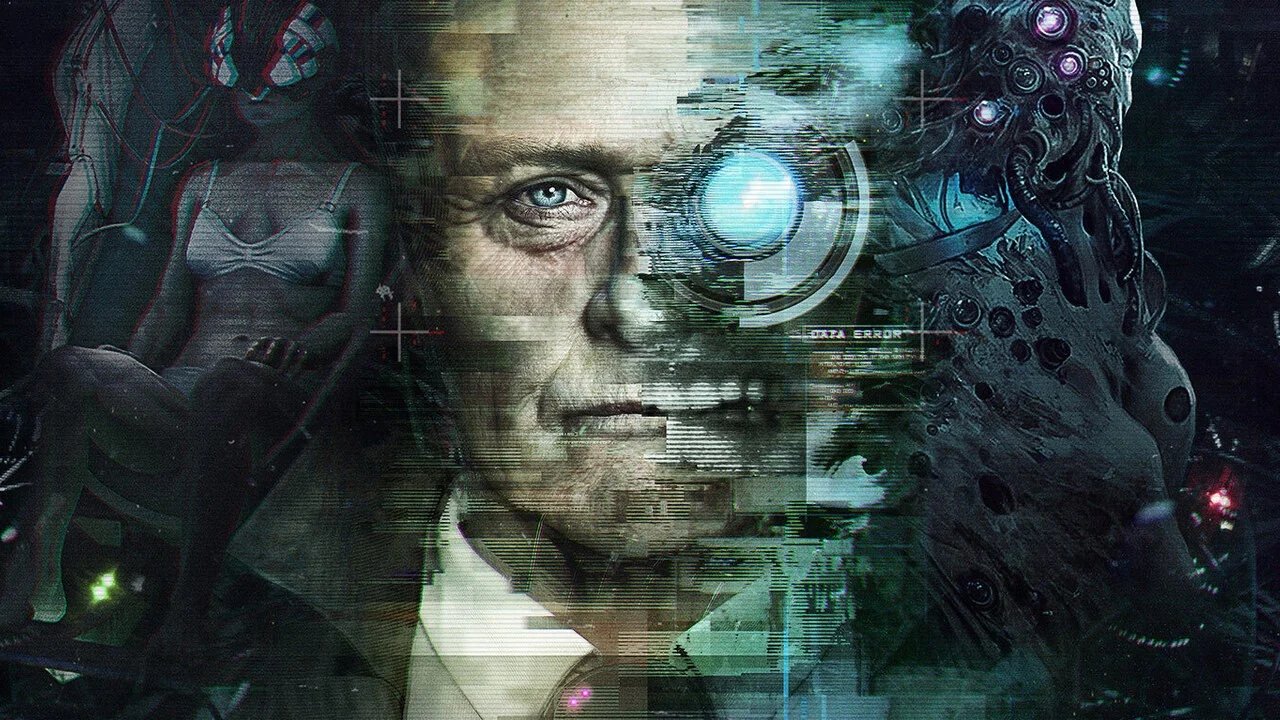
A dystopian cyberpunk future bombarded with rain? Check. Working-class people turning to body augmentations and drugs? Check. Rutger Hauer? Also check. Yeah, so far, so Blade Runner. Observer: System Redux isn’t shy about its influences, nor should it be, as this short-but-sweet homage to sci-fi murder mystery films delivers a thrilling ride and a knowing celebration of the genre.
Developed by Bloober Team, the Polish developer now possibly best known for the Silent Hill 2 remake, Observer is a contained, linear, narrative-heavy title set in a cyberpunk version of Krakow in the year 2084. The late, great Rutger Hauer stars as Daniel Lazarski, a world-weary detective searching for his son, and one of many ‘Observers’ that use hacking technology to enter people’s minds and relive their memories.
That hook right there is a great jumping-off point for a sci-fi story, but Observer pumps so much more into its 8-10 hour playtime thanks to impressive attention to detail and a heartfelt commitment to the futuristic mise-en-scène. Lazarski’s search for his son leads him to a rundown apartment complex, and you use both Bio Vision and Electromagnetic Vision to find clues ranging from blood spatters to hidden technology. Occasionally the story’s next objective isn’t obvious, but optional side challenges mean there’s plenty to do even when lost.
Solving this mystery takes time, and here gameplay serves this speed well, as even the admittedly simple mechanics are elevated thanks to the gritty realism of each apartment and the impressive graphical fidelity.
Don’t get too comfortable, though, as Observer’s horror moments keep you on your toes. Long reality-warping sequences use both gorgeous contrasting visuals and stunning sound design to make you feel like you’re sinking further into someone’s mind, with a couple of well-timed jumpscares shattering the tension. As a massive sci-fi fan, it’s fun to see the body-augmenting ideas of titles like Ghost in the Shell exaggerated with actual body horror.
An upgrade to 2017’s original version (which came to Switch 1 in 2019), Switch 2 performance feels consistently impressive outside of occasional pop-in, with sharp visuals and a steady frame rate. In particular, the title’s deep blacks and contrasting flares of Matrix-esque greens and noir mood lighting look great in handheld’s HDR mode (though don’t expect Observer’s stygian darkness to pop when playing in a park).