dailynewsnblog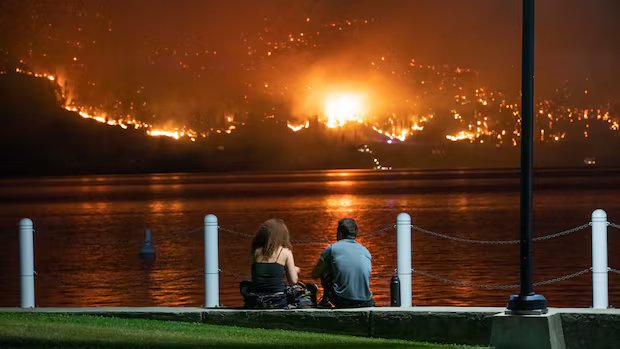

Listen to this article
Estimated 3 minutes
The audio version of this article is generated by AI-based technology. Mispronunciations can occur. We are working with our partners to continually review and improve the results.
As temperatures rise and communities across the country brace for potential forest fires, experts are renewing their call for a federal emergency management agency to oversee firefighting resources.
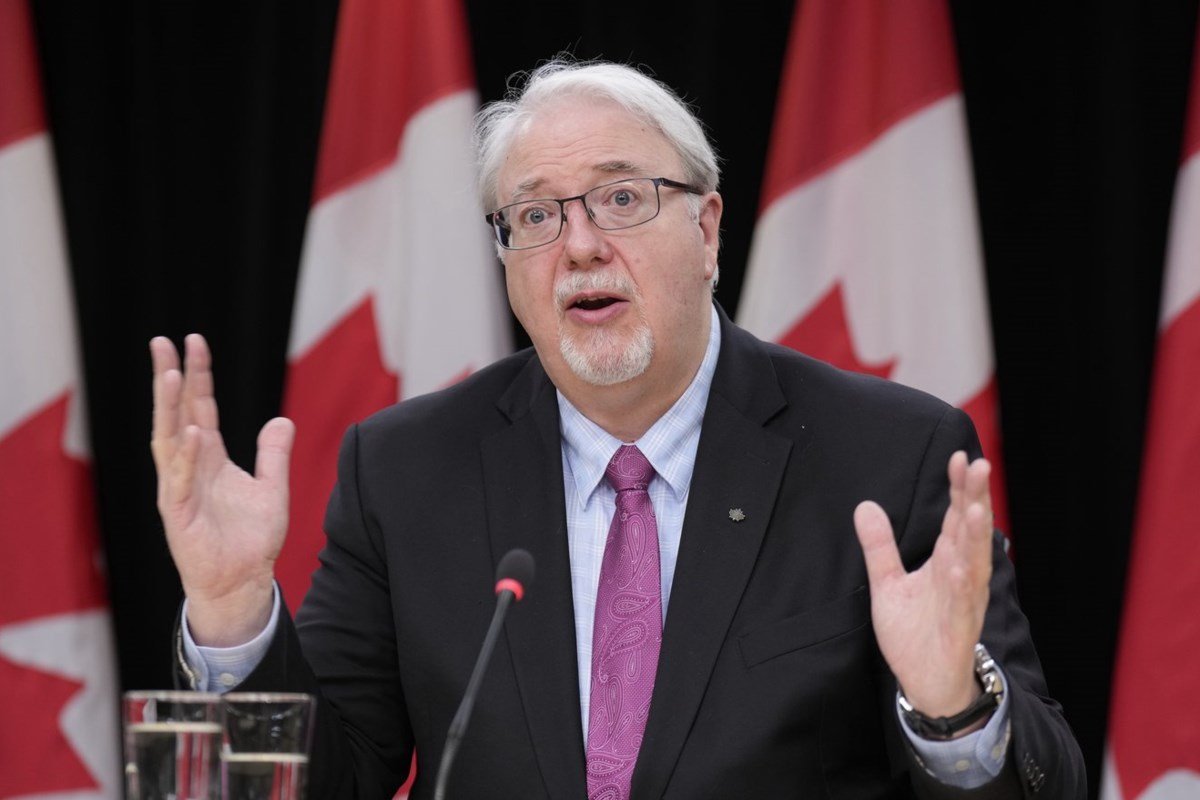
Mike Flannigan, a wildfire researcher and professor at Thompson Rivers University in Kamloops, B.C., has long called for federal funding to aid provinces responding to wildfires — as well as floods, earthquakes and other natural disasters.
“What I would envisage is not a federal agency coming in and taking charge,” he told CBC’s Daybreak South. “I see it as helping out when needed and providing resources.”
Flannigan was one of dozens of Canadians who spoke with the Senate Committee on Agriculture and Forestry to help it understand the impacts these fires are having, and what the federal government could do to help.
According to the committee’s recently-released report, Canada on Fire, more than 5,000 wildfires have burned in Canada each year, on average, over the past decade. The past three years have been record-breaking wildfire seasons, which the report says shows “that climate change is accelerating fire behaviour beyond the capacity of existing systems.”
This summer is expected to be a challenging one for forest fires, given a general lack of precipitation across Canada,according to the federal government. The dry land combined with forecasted heat could spell disaster for some communities.
The Senate committee, like Flannigan, found that a federal office of some sort for emergency response would serve communities well.
One of its 15 recommendations said the Government of Canada should create a federal coordinating office, modelled after those in other countries including the U.S., U.K. and Japan.
“The committee learned that no single authority is responsible for wildfire preparedness, response and recovery in Canada,” the report reads.

Instead, 10 provinces, three territories and Parks Canada are individually responsible for wildland fire management, Flannigan said, adding that that’s led to situations where some jurisdictions don’t have enough firefighters or aircraft to effectively fight fires.
“Coordination challenges contribute directly to delayed response times, inconsistent planning, uneven access to equipment and personnel and a system that mobilizes only once disaster is already underway, none of which are moving at the speed of the current wildfire crisis,” the report says.
It also recommended the feds fund a national fleet of wildland firefighting aircraft and ensure long-term funding for mental health support for affected communities.

Last summer, federal Emergency Management Minister Eleanor Olszewski said a national co-ordination centre for wildfires was one idea under consideration.
In an email statement to CBC News, a spokesperson with Olszewski’s ministry said the federal government is reviewing feedback from a national engagement process that closed in March.
“Budget 2025 included funding to lease firefighting aircraft to create new federal surge capacity,” Olszewski’s ministry said. “And on May 25, 2026, Minister Olszewski announced that the Canadian Interagency Forest Fire Centre has leased 10 aerial firefighting aircraft for the next five years starting for the 2026 wildfire season.”
The ministry did not say whether the federal co-ordination centre was still being considered.
Flannigan, however, remains hopeful.
“I hope they respond positively. There’s a number of good recommendations.”
Daybreak South8:15Canadian Senate report has reccomendation on how to handle wildfire
Mike Flannigan, a wildfire expert and professor at Thompson Rivers University, says there are several recommendations in the new senate report on wildfires that he agrees with, especially the development of a national wildfire agency