dailynewsnblog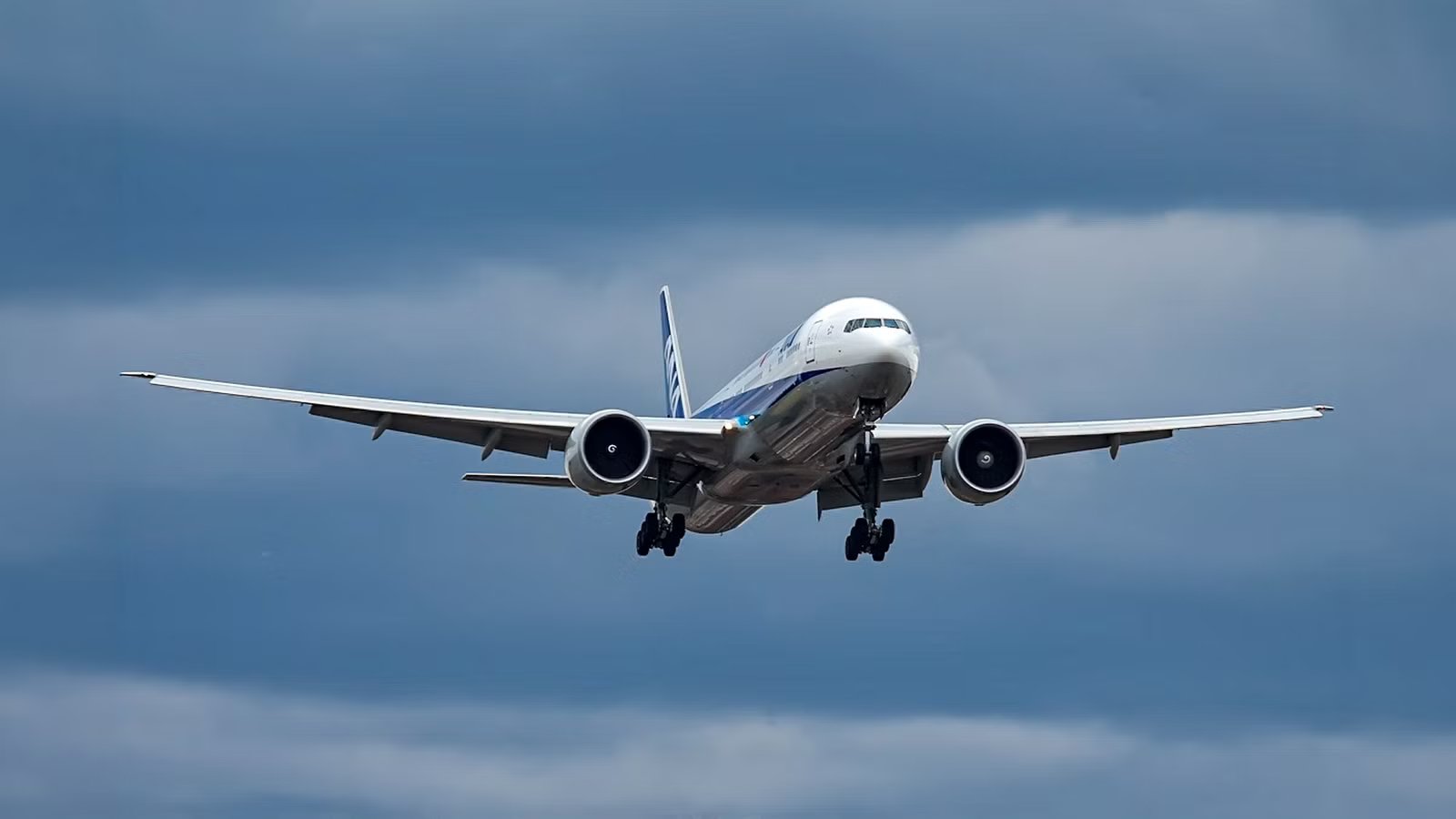
For much of the 21st century, the Boeing 777-300ER occupied a unique position in commercial aviation. It was not the newest aircraft, the largest passenger jet, or the most technologically radical design. Yet it became one of the most important long-haul airliners ever built. Airlines relied on it to connect major global hubs across continents, replacing aging Boeing 747s and Airbus A340s while delivering impressive economics and reliability.
 Boeing produced 837 777-300ER aircraft between 2004 and 2024, making it the most successful variant of the Boeing 777 family and one of the most commercially successful widebody aircraft programs in aviation history. For many airlines, it became the flagship of their long-haul fleets, carrying millions of passengers across some of the world’s busiest intercontinental routes. What makes the aircraft’s departure particularly unusual is how little attention it received. When the final 777-300ER left Boeing’s production system in 2024, there was no major ceremony, no highly publicized farewell event, and no dramatic announcement marking the end of a program that had transformed long-haul aviation. Instead, production quietly faded away.
The decision appeared puzzling to many observers. Boeing ended production even though its intended replacement, the 777X, remains years behind schedule. Meanwhile, airlines continue to operate hundreds of 777-300ERs, demand for the aircraft remains strong, and carriers are investing heavily in cabin upgrades rather than retiring their fleets. The reasons behind the 777-300ER’s disappearance reveal how aircraft manufacturing decisions are driven not only by market demand, but also by long-term industrial planning, technological transitions, and strategic commitments that can be difficult to reverse.
Quiet End Of One Of Aviation’s Biggest Success Stories

The 777-300ER’s production run concluded in an unexpectedly subdued manner. By the end of production, Boeing delivered 837 aircraft over two decades, a remarkable achievement for a long-haul widebody jet. The aircraft became the backbone of fleets operated by airlines including Emirates, Air France, Cathay Pacific, Qatar Airways, Singapore Airlines, and many others. It earned a reputation for reliability, range, and operating economics that few competitors could match.
Yet the final chapter was strikingly uneventful. Deliveries peaked at 88 aircraft in 2016 before beginning a steady decline. Boeing delivered 32 examples in 2018, only four in 2020, none in 2023, and a single aircraft in 2024. That final delivery went to leasing company Altavair after the airframe spent nearly five years in storage. Originally built for China Southern Airlines, it was eventually leased to Ethiopian Airlines, becoming what is widely regarded as the last passenger 777-300ER delivered from Boeing’s factory.
The production slowdown reflected a reality that had been developing for years. New customer orders had largely disappeared. While several outstanding aircraft remain on Boeing’s order book, including five examples associated with Pakistan International Airlines, industry analysts generally expect those orders to be canceled rather than fulfilled. The aircraft did not disappear because airlines suddenly stopped using it. Instead, production ended because Boeing had already committed to moving beyond it.
The 777X Was Always Intended To Replace The 777-300ER

The most important reason Boeing ended 777-300ER production is that the company had already designated the 777X as its successor. When Boeing launched the 777X program in 2013, the company presented it as the future of the large twin-engine widebody market. The new family promised improved fuel efficiency, greater range, updated technology, and increased passenger capacity. Airlines placing large orders for the 777X expected it to replace existing 777-300ER fleets over time.
From Boeing’s perspective, continuing to market and manufacture both aircraft indefinitely would have created strategic complications. Aircraft manufacturers depend heavily on long-term planning. Development programs require billions of dollars in investment, extensive supplier commitments, and years of production preparation. Once Boeing publicly committed to the 777X, much of its manufacturing strategy became centered around transitioning customers toward the new platform. Maintaining significant production of the older model would have undermined that strategy. It could have discouraged airlines from ordering the newer aircraft while creating uncertainty about Boeing’s future product direction.
The challenge, however, was timing. The 777X encountered repeated certification delays, engineering revisions, regulatory scrutiny, and shifting market conditions. What Boeing originally envisioned as a relatively smooth transition evolved into a prolonged gap between the end of the 777-300ER and the arrival of its replacement. Industry forecasts now place first customer deliveries of the 777X no earlier than 2027, creating a situation in which the successor remains unavailable years after the predecessor effectively left production. Despite the delays, Boeing never reversed course. The company remained committed to transitioning away from the classic 777 platform even as the replacement schedule slipped further into the future.

Why The Flagship Of The World’s Elite Airlines Is No Longer In Production
Boeing recently made the decision to halt the production of one of its best-selling widebody aircraft.
Changing Airline Economics Reduced Demand For New Orders

The end of 777-300ER production was also driven by broader changes in airline economics and route planning. When the aircraft entered service in 2004, it represented a major advancement in long-range travel. Its combination of passenger capacity, cargo capability, and fuel efficiency allowed airlines to retire older four-engine aircraft such as the Boeing 747-400 and Airbus A340-600. For more than a decade, the 777-300ER dominated the large long-haul twin-engine segment.
Catch what other flight trackers miss
Emergency squawks, holds, NOTAMs — live signals, no signup.
Open tracker
Catch what other flight trackers miss
Emergency squawks, holds, NOTAMs — live signals, no signup.
Open tracker
Over time, however, the market evolved. The emergence of the Boeing 787 Dreamliner and Airbus A350 fundamentally changed how airlines approached network planning. Both aircraft families offered significant fuel efficiency improvements, often estimated at roughly 20 to 25% compared with older-generation designs. Just as importantly, they carried fewer passengers than the 777-300ER while maintaining excellent range performance. That combination aligned closely with changing travel patterns. Airlines increasingly favored point-to-point services connecting secondary cities rather than concentrating passengers through a limited number of massive hub airports. Smaller, more efficient aircraft made these routes economically viable.
As a result, the market segment that had once made the 777-300ER indispensable gradually shrank. Airlines no longer needed a large aircraft for every long-haul route. Many destinations could be served more profitably using a 787 or A350. The 777-300ER remained highly capable, but it no longer occupied a market position without competition. New orders slowed because airlines had alternatives that better matched evolving route structures and fuel-efficiency priorities. In many cases, carriers still valued their existing 777-300ER fleets. They simply saw less reason to purchase additional aircraft of the same type.
Boeing’s Manufacturing Priorities Had Already Shifted

Another major factor was Boeing’s production infrastructure. Building modern widebody aircraft requires enormous industrial resources. Assembly facilities, specialized tooling, supplier networks, engineering teams, and testing operations must all function in coordination. Maintaining two overlapping aircraft programs can create significant inefficiencies, especially when one is intended to replace the other.
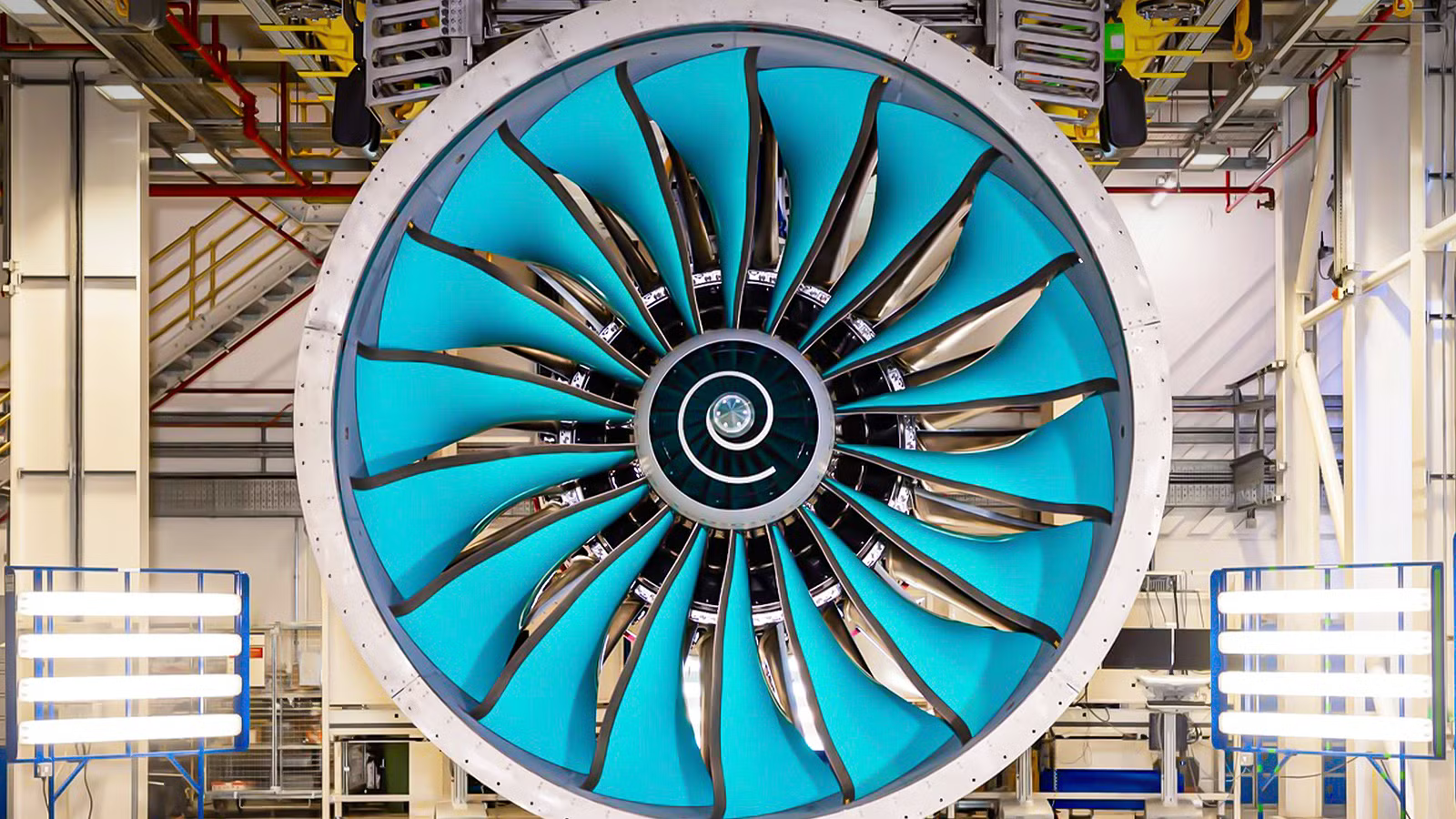
The 777X introduced manufacturing requirements that differed substantially from those of the 777-300ER. The aircraft features the world’s largest carbon-fiber composite wing, a sophisticated folding wingtip mechanism, and integration of the massive GE9X engine, which itself required extensive development and testing. These innovations demanded new equipment, revised production processes, and dedicated floor space within Boeing’s Everett manufacturing complex. As development progressed, Boeing increasingly allocated resources toward preparing the factory for 777X production and certification activities. Continuing substantial 777-300ER output would have complicated those efforts.
The company, therefore, adopted a gradual transition strategy. Production rates were steadily reduced while infrastructure and personnel shifted toward the newer program. By the time 777X delays became more severe, much of that transition had already occurred. Reversing course would have been expensive and operationally disruptive. Restarting large-scale 777-300ER production would require renewed supplier commitments, manufacturing adjustments, and customer demand sufficient to justify the effort. Even though the replacement aircraft was delayed, Boeing had effectively crossed the point where returning to full 777-300ER production made practical sense.

30 Years After Launch, The Boeing 777 Is Still The Best-Selling Long-Haul Widebody In Aviation History
The aircraft remains popular with carriers around the world.
A Strange Reality: Airlines Still Need The Aircraft

Perhaps the most remarkable aspect of the 777-300ER story is that demand for the aircraft never truly disappeared. Ordinarily, aircraft production ends because operators move on to newer alternatives. In this case, airlines continue relying heavily on the type because no direct replacement exists in sufficient numbers.
The prolonged delay of the 777X has constrained replacement capacity across the global airline industry. Carriers that were expected to begin introducing the new aircraft have instead extended the lives of existing fleets. Many have renewed leases, postponed retirements, and invested in major cabin modernization programs. Industry reporting indicates that since 2020, approximately 98 Boeing 777-300ERs have received significant interior upgrades, including new seats, updated entertainment systems, refreshed cabins, and revised premium-class products. These investments demonstrate that airlines expect the aircraft to remain in frontline service for many years.
The aircraft’s residual values have also benefited from the unusual market conditions. Limited replacement availability has increased demand for existing airframes, supporting lease rates and secondhand values. Today, the 777-300ER remains central to the long-haul operations of airlines such as Emirates, Air France, Cathay Pacific, Ethiopian Airlines, and numerous others. It continues to fly major intercontinental routes carrying hundreds of passengers daily. This creates a rare paradox. Airlines cannot place meaningful new orders, yet the jet remains one of the most important long-haul airliners in active service. Few commercial aircraft programs have experienced such a disconnect between production status and operational relevance.
A Successful Aircraft

Boeing did not end 777-300ER production because the aircraft became obsolete or unpopular. In many respects, the opposite is true. The jet remains one of the most successful and widely used long-haul airliners ever built, continuing to serve as the backbone of international fleets across the globe. Its production ended because Boeing had already committed to a replacement strategy centered on the 777X. Once that transition began, manufacturing resources, engineering priorities, and industrial planning increasingly focused on the next-generation aircraft. At the same time, changing airline economics reduced demand for new 777-300ER orders as carriers embraced more efficient alternatives such as the Boeing 787 and Airbus A350.
The complication was that the replacement failed to arrive on schedule. Certification delays and development challenges created a prolonged gap between the end of one program and the arrival of the next. As a result, airlines continue depending heavily on an aircraft Boeing no longer produces. The quiet conclusion of the 777-300ER program reflects an unusual moment in aviation history. A highly successful aircraft left production not because demand vanished, but because strategic decisions, industrial realities, and future commitments made continuation impractical. Years after its final delivery, the 777-300ER remains exactly what it was at its peak: one of the most capable and important long-haul airliners ever built.