dailynewsnblog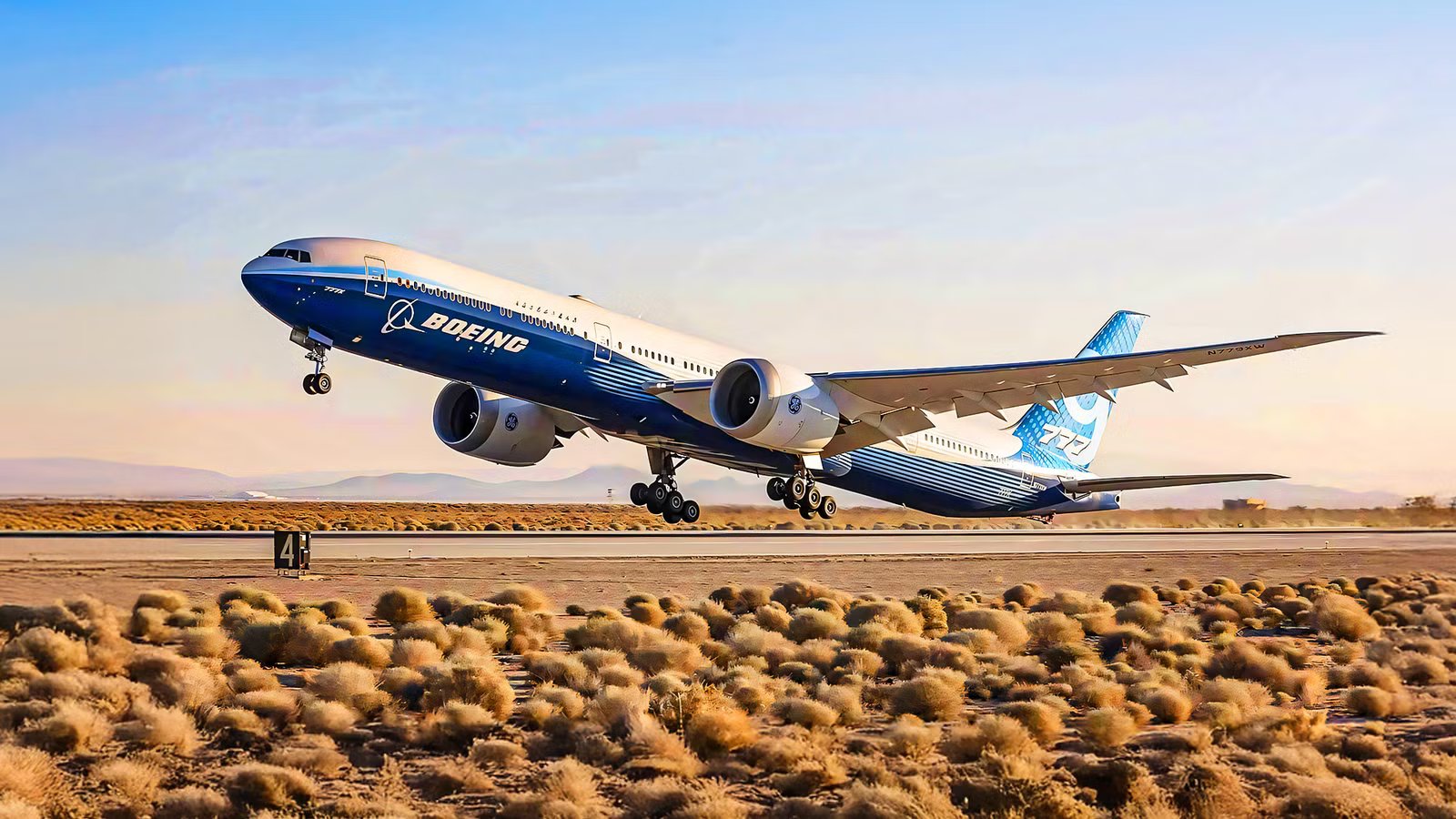
The Boeing 777X represents one of the most ambitious engineering projects in modern commercial aviation. Designed as the next evolution of Boeing’s long-running 777 family, the aircraft combines a redesigned composite wing, larger cabin dimensions, and the massive GE9X engines to create a long-haul jet focused on efficiency and range. Yet the feature attracting the most attention is not found inside the cabin or beneath the wing. Instead, it sits at the outer edge of the aircraft itself. The 777X is the first commercial passenger aircraft in history to be equipped with folding wingtips, a design  Boeing developed to address a major operational challenge.
At full extension, the 777X has a wingspan of 235 feet (71.75 meters), making it the widest twin-engine commercial aircraft ever built. Such a large wing offers major aerodynamic benefits, as longer wings reduce induced drag and improve fuel efficiency during cruise flight. However, the enormous span would normally require airports to provide specialized Code F gates, the same category used for aircraft like the Airbus A380. To avoid limiting where airlines could operate the jet, Boeing engineered 11-foot folding wingtip sections that reduce the aircraft’s ground span to approximately 212 feet (64.85 meters). That smaller footprint allows the 777X to fit into standard Code E gates already used by existing 777 aircraft.
The concept created an obvious safety concern. If a 777X attempted takeoff with its wings still folded, the aerodynamic consequences could be catastrophic. Regulators, therefore, classified the wingtip position as safety-critical and required Boeing to engineer a system capable of actively preventing an unsafe departure attempt. The result is a sophisticated takeoff inhibition system that continuously monitors the wingtip configuration using multiple independent sensors. If the tips are not fully extended and mechanically locked, the aircraft physically prevents progression into a high-speed takeoff roll. Rather than simply warning pilots about danger, the aircraft itself intervenes to prevent the error from becoming a disaster.
Why Boeing Needed Folding Wingtips

The folding wing design exists because Boeing wanted to maximize aerodynamic efficiency without sacrificing airport compatibility. In commercial aviation, larger wings generally produce better performance. A longer wing generates lift more efficiently and reduces induced drag, particularly during long-range cruise operations. Airlines benefit directly from lower fuel consumption, greater range capability, and reduced operating costs. Boeing redesigned the 777X wing using advanced carbon fiber composite materials that are lighter and stronger than traditional aluminum structures. This allowed engineers to create a larger wing without an excessive weight penalty. The wing is one of the key contributors to the aircraft’s expected efficiency improvements compared with previous generations of widebody aircraft.
The challenge was practical rather than aerodynamic. A fixed 235-foot wingspan would classify the aircraft as ICAO Code F, requiring larger gates, wider taxiways, and additional airport infrastructure. Many airports either lack those facilities or only have a limited number available. Airlines operating the 777X would therefore face restrictions on where the aircraft could fly. Boeing wanted to avoid the infrastructure limitations experienced by the A380. Although the A380 offered impressive passenger capacity, its size forced airports to make expensive modifications to accommodate routine operations. Boeing instead pursued a design that would allow the 777X to use the same airport infrastructure already supporting the current 777 aircraft.
The folding wingtips effectively give the aircraft two different configurations. In the air, the 777X benefits from its full aerodynamic span. On the ground, the folded tips shrink the aircraft enough to fit into standard Code E gate dimensions. Airlines can therefore operate the aircraft at a much wider range of airports without major reconstruction projects. While folding wings are common in military aviation, especially aboard aircraft carriers where storage space is limited, the 777X marks the first time such technology has been introduced on a commercial passenger jet. That distinction significantly increased the level of regulatory scrutiny applied during development and certification.
How The Folding Wing System Works

The folding mechanism itself was developed with assistance from Liebherr, a major aerospace supplier specializing in hydraulic and flight control systems. Each wingtip section measures approximately 11 feet and rotates upward using hydraulic rotary actuators. The entire extension or folding sequence takes around 20 seconds. Pilots control the system through a dedicated switch located on the overhead cockpit panel. Before departure, the crew extends the wingtips into the flight position while taxiing toward the runway. Once fully extended, the system mechanically locks the tips into place, creating a rigid aerodynamic surface capable of handling the stresses of flight.
The locking process is especially important because the folding sections are part of the aircraft’s primary lifting structure. Unlike cosmetic winglets attached to some aircraft, these wingtips contribute directly to lift generation and overall aerodynamic performance. During takeoff, turbulence, and cruise flight, the wings experience enormous structural loads. Boeing therefore had to ensure that the folded sections could perform with the same reliability as a conventional fixed-wing aircraft. After landing, the process reverses. Once the aircraft slows to taxi speed, the system can automatically fold the wingtips upward to reduce the aircraft’s ground footprint. This allows the jet to maneuver more easily around taxiways, gates, and airport ramps designed for smaller wingspans.
Multiple layers of redundancy are built into the system. Independent sensors continuously monitor wingtip position, locking status, and actuator alignment. Information from those sensors feeds directly into the aircraft’s flight control and warning systems. Boeing also subjected the mechanism to extensive structural testing. Engineers evaluated the wing under repeated loading cycles, vibration stress, and harsh environmental conditions to verify long-term durability. Because the concept was unprecedented for a commercial airliner, regulators required Boeing to demonstrate that the system could maintain reliability throughout years of airline operations. Although the visible movement of the wingtips attracts public attention, the real engineering complexity lies in the monitoring and safety systems hidden beneath the surface.
Regulation Considerations And Safety Critical Designation

Certification authorities immediately recognized that folding primary wing structures introduced a new category of risk to commercial aviation. Traditional takeoff configuration errors typically involve systems such as flaps, spoilers, or stabilizer trim. On the 777X, however, the shape and geometry of the wing itself can change. Because of this, regulators classified wingtip position as safety-critical. Boeing had to prove not only that the wings could lock securely for flight, but also that the aircraft could not accidentally attempt takeoff with the tips still folded.
Historically, commercial aircraft have relied heavily on procedural discipline and warning systems. Pilots complete checklists to verify proper aircraft configuration before departure, and electronic systems generate audible or visual alerts if anything is incorrect. However, aviation accident history has repeatedly demonstrated that crews can occasionally overlook or misinterpret warnings during periods of high workload. Rather than depending solely on cockpit alerts, Boeing adopted a more aggressive safety philosophy for the 777X. The aircraft continuously verifies whether the wingtips are fully extended and mechanically locked using multiple independent sensors. If any disagreement exists between those sensors, the system treats the condition as unsafe.
The key difference is what happens next. Instead of merely issuing a caution message, the aircraft actively prevents continuation into a high-speed takeoff roll. The system effectively forces a rejected takeoff scenario before the aircraft reaches speeds at which the situation could become unrecoverable. This represents an important evolution in aviation safety design. Earlier generations of aircraft primarily warned pilots about unsafe conditions and relied on crews to respond appropriately. Modern systems increasingly intervene directly to prevent dangerous actions from progressing.
The philosophy already exists in several areas of commercial aviation. Fly-by-wire aircraft use flight envelope protection to prevent stalls and overspeed conditions. Terrain awareness systems provide automated pull-up warnings to avoid controlled flight into terrain. Automatic braking systems help prevent runway overruns. The 777X extends that concept into wing configuration management. By physically preventing takeoff with folded wings, Boeing created a system designed not just to detect danger, but to stop it entirely before the aircraft leaves the ground.
What Happens If The Pilot Forgets To Extend The Wings?

Shutterstock | Simple Flying
One of the most common questions surrounding the 777X is simple: what happens if the pilots forget to unfold the wings before takeoff? The answer is that the aircraft is specifically engineered to prevent the situation from becoming dangerous. As the aircraft taxis toward the runway, normal operating procedures require the crew to extend the wingtips before departure. If pilots fail to complete that step, the aircraft begins generating warnings as thrust increases. Initial alerts indicate that the pre-takeoff checklist has not been completed correctly.
If the crew continues advancing power, additional takeoff configuration warnings activate. Most importantly, the takeoff inhibition system ultimately prevents the aircraft from entering a high-speed takeoff roll if the wings are not properly configured. This safeguard is critically important because takeoff accidents become far more difficult to recover from once an aircraft reaches high speed. Boeing’s system is designed to interrupt the chain of events before the aircraft approaches rotation speed.
The system also reduces the risk of confusion during periods of high cockpit workload. Rather than relying entirely on human recognition and reaction time, the aircraft itself helps prevent the error. Once the aircraft becomes airborne, the folding mechanism is disabled. The wingtips cannot accidentally fold during flight and remain locked until after landing. Only when the aircraft slows to taxi speed can the system once again command the tips upward into the ground configuration.
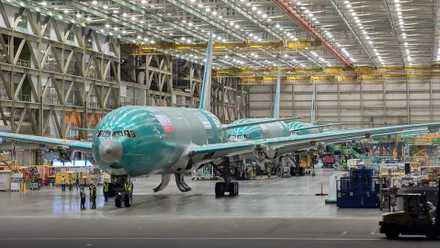
Why Did Boeing Already Build Over 20 Examples Of The 777-9?
The Boeing 777-9 is not due to enter commercial service until 2027.
What This Means For Future Aircraft Design

The folding wing concept on the 777X may ultimately influence future commercial aircraft development far beyond Boeing itself. Airlines continue demanding greater fuel efficiency, and larger wings remain one of the most effective ways to improve aerodynamic performance. However, airports around the world face growing infrastructure limitations and space constraints. Folding wing technology offers manufacturers a way to balance those competing pressures. Aircraft can benefit from larger, more efficient wings during flight while still fitting into existing airport layouts on the ground.
The 777X also reflects a broader shift in aviation safety philosophy. Earlier generations of commercial aircraft relied primarily on pilot skill, procedural discipline, and warning systems. Modern aviation increasingly emphasizes layered protections that combine human oversight with automated safeguards. Importantly, this does not remove pilots from the equation. Flight crews remain fully responsible for operating the aircraft safely. However, the industry increasingly recognizes that automated intervention can provide an additional layer of protection against rare but potentially catastrophic mistakes.
The certification process for the 777X also established new regulatory frameworks for folding primary wing structures. Aviation authorities established special certification conditions to address the unique risks associated with the technology. Future aircraft using similar systems will likely build upon the standards developed during the 777X program. If the aircraft proves successful in long-term airline service, folding wings may eventually become more common in future widebody aircraft designs. Manufacturers are constantly seeking ways to improve efficiency without forcing airports to undertake expensive infrastructure upgrades. The 777X demonstrates that folding structures may offer one practical solution.
Final Thoughts

The 777X combines aerodynamic efficiency, airport practicality, and advanced automation in a way no previous commercial aircraft has attempted. Its enormous 235-foot wingspan improves fuel economy and long-haul performance, while the folding wingtips allow the aircraft to operate from standard airport gates.
Because those folding sections form part of the aircraft’s primary lifting structure, Boeing and aviation regulators treated their position as safety-critical from the beginning. The result is an advanced takeoff inhibition system that continuously verifies that the wings are fully extended and mechanically locked before departure. If the aircraft detects an unsafe configuration, it does not simply warn the pilots. It physically prevents progression into a high-speed takeoff roll. That philosophy represents a major shift in commercial aviation safety design, moving beyond passive alerts toward direct prevention of dangerous actions. The folding wings may become the 777X’s most recognizable visual feature, but the real innovation lies in the systems controlling them.