(Bloomberg) — The US and Iran traded threats of escalation on Wednesday as the weeks-long standoff in the Middle East dragged on without resolution.
Most Read from Bloomberg
President Donald Trump told reporters that the US was in the “final stages” with Iran, sparking investor hopes that a deal was close. Treasuries surged and oil dropped sharply.
But the president also reiterated a pledge to resume attacks in the coming days if Iran didn’t agree to his terms, a threat he’s made multiple times since the ceasefire began. Trump has repeatedly said the two sides were close to reaching an agreement, but none has yet emerged.
“We’ll either have a deal or we’re going to do some things that are a little bit nasty,” he said. “But hopefully that won’t happen.”
The US has insisted Iran surrender any plans for nuclear enrichment and reopen the Strait of Hormuz to commercial traffic — demands Tehran is refusing. Iran wants the US to end a blockade of its ports first.
Iranian President Masoud Pezeshkian insisted the country was not on the brink of giving in. “Forcing Iran to surrender through coercion is nothing but an illusion,” he posted on X.
Trump later repeated the tight timeline he has set, and stretched, several times since the start of the conflict. “Believe me, if we don’t get the right answers, it goes very quickly,” Trump said after a speech at the Coast Guard Academy. “We’re all ready to go. We have to get the right answers.”
Earlier, Iran warned it would retaliate beyond the Middle East if the US or Israel renewed strikes, although it was unclear if Tehran had the capability to do so.
“If aggression against Iran is repeated, the regional war that had been promised will this time extend beyond the region,” the Islamic Revolutionary Guard Corps said, according to the semi-official Tasnim news agency. The IRGC, which has gained even more influence over Iranian decision-making since the war erupted in late February, vowed “crushing blows in places you do not expect.”
Iran fired drones and missiles at several countries when the US and Israel began the war. In addition to Israel and Gulf Arab states, targets included Turkey and Cyprus. While Tehran’s military was battered by airstrikes until a truce was agreed on April 8, it still has the ability to attack countries in the region.
Previously, Trump said he had held off on renewed attacks at the request of regional allies.
Asian stocks followed Wall Street higher as optimism over talks eased concerns. Brent crude oil edged higher to $105.60 a barrel after falling more than 5% in the previous session.
Still, key industry players warned oil flows from the Middle East won’t fully recover until well into 2027, even if the Iran conflict ends immediately.
“After almost three months of war, Trump’s aims are seemingly far from being achieved, and Iran is emerging bruised but emboldened with newfound global leverage,” Bloomberg Economics analysts Dina Esfandiary, Becca Wasser and Ziad Daoud said. “The risk of further escalation remains as both sides remain too far apart for a deal — but further fighting is unlikely to result in a strategic breakthrough.”
Axios reported Trump held a tense call with Israeli Prime Minister Benjamin Netanyahu on Tuesday in which Trump outlined US plans for a formal end to the conflict before final negotiations are completed.
Although Israel has indicated it wants another round of attacks on the Islamic Republic at some stage, Trump told reporters Wednesday Netanyahu would “do whatever I want him to do.”
Trump denied a Tasnim report that the US was offering oil sanctions relief as part of peace negotiations. “No, I’m not doing any relief until they sign an agreement. When they sign an agreement, we can get that place built up again, and have something that’s really a good country for the people, but no, we haven’t offered anything.”
Iran has so far refused Trump’s insistence it relinquish highly-enriched uranium or agree to never again process it.
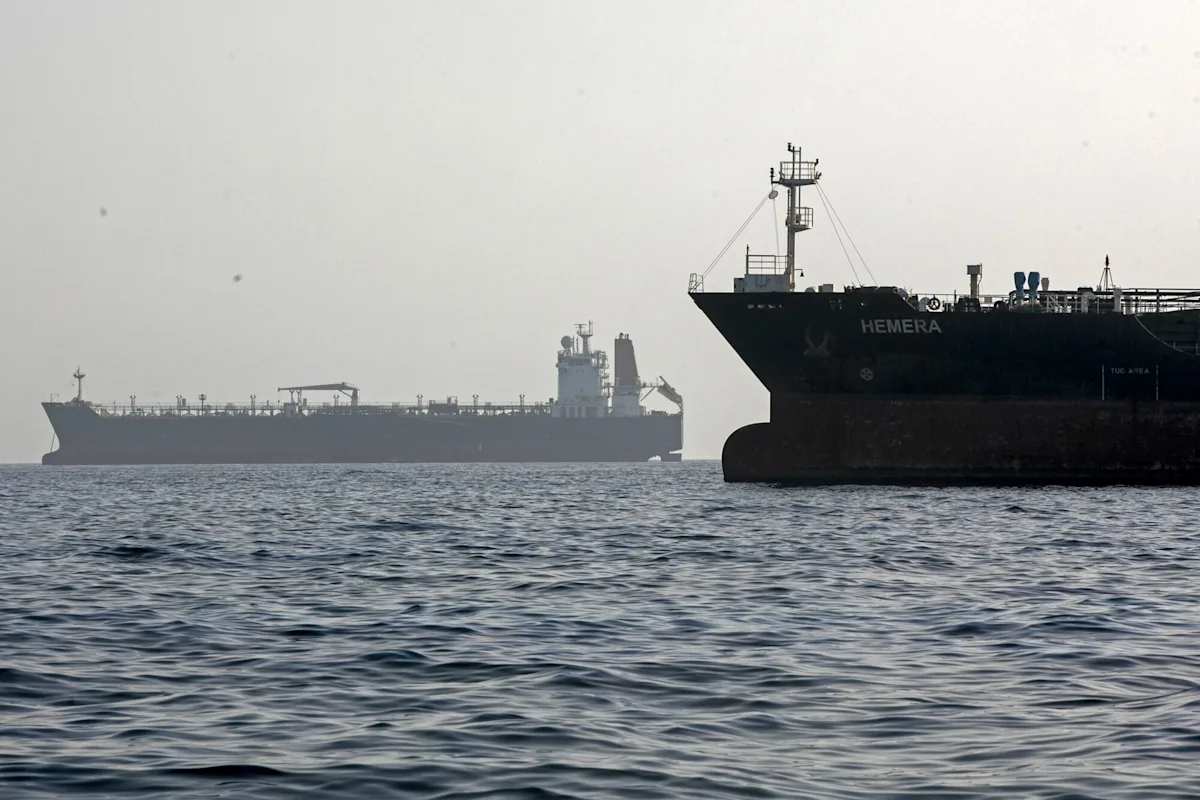
The two sides are also in a standoff over the status of the Strait of Hormuz. The US military on Wednesday boarded and later released an Iranian-flagged oil tanker in the Gulf of Oman.
The vessel, M/T Celestial Sea, was “suspected of attempting to violate the US blockade by transiting toward an Iranian port,” US Central Command said. Following a search of the vessel, American forces released it and directed the crew to alter course.
Iran claimed that 26 ships — tankers, container vessels and others — passed through Hormuz in the past day “with the coordination of and security provided by the IRGC Navy.” That would be an unusually high number for recent weeks, though still far below pre-war levels of traffic. The claim underscores Iran’s desire to assert control over traffic there.
The IRGC, which posted a statement on X, didn’t specify where the vessels were headed from, which countries they were going to, or offer evidence for the claim. Earlier, Iranian media said that South Korea had followed China by coordinating with the IRGC to get its ships through the strait safely.
Here’s more related to the Iran war:
-
Chinese President Xi Jinping again warned against a resumption of hostilities. “A comprehensive ceasefire is imperative, restarting war is even more unacceptable, and adhering to negotiations is particularly important,” Xi said in Beijing on Wednesday, as he met Russian President Vladimir Putin.
–With assistance from John Harney.
(Updates with markets, in 12th paragraph.)
Most Read from Bloomberg Businessweek
©2026 Bloomberg L.P.


 dailynewsnblog