dailynewsnblog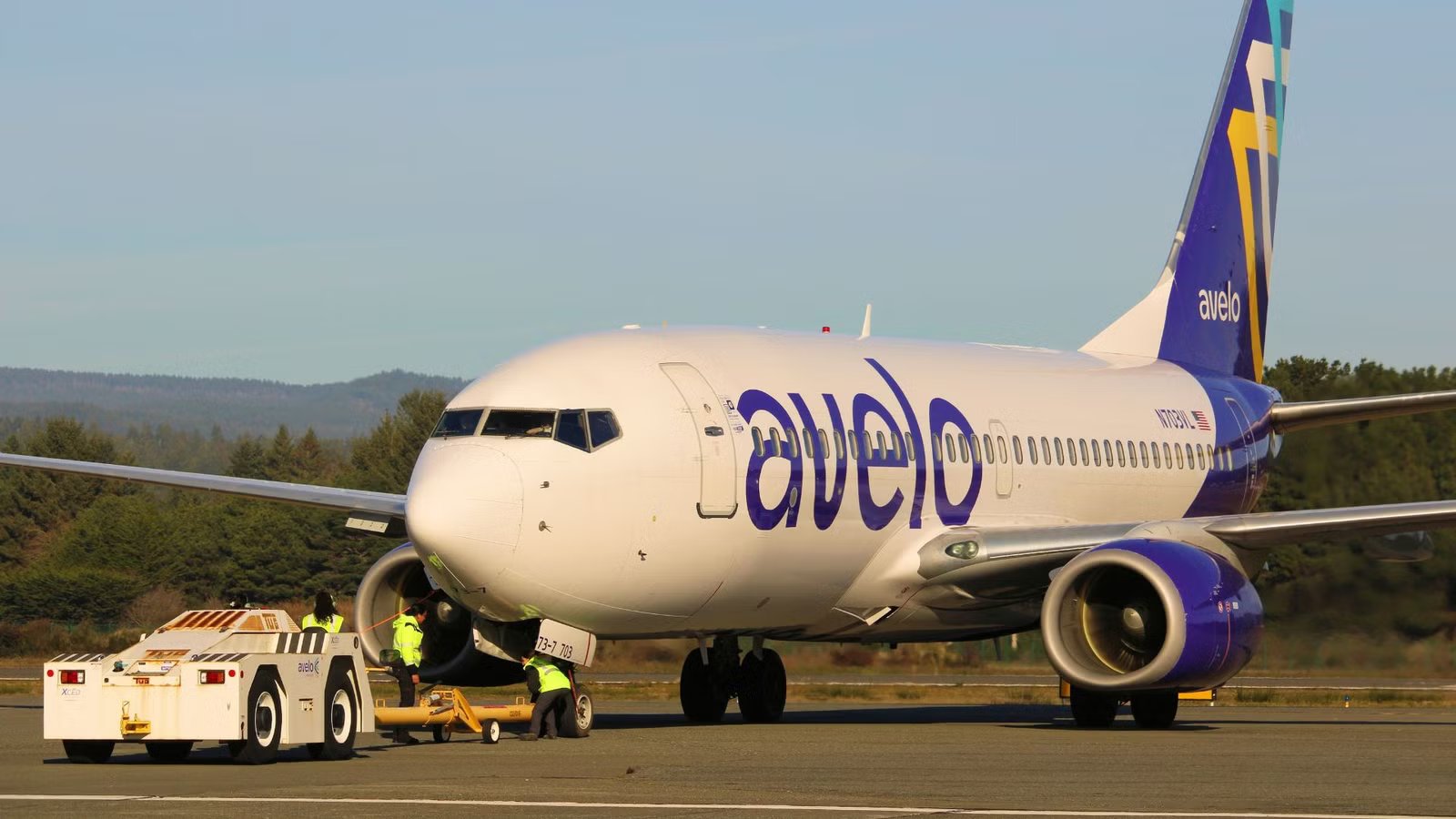
Between mid-May and mid-August 2026, US ultra-low-cost carrier Avelo Airlines will effectively stop flying on Tuesdays, an extremely unusual move for a scheduled airline. The carrier’s published schedules show zero network-wide Tuesday departures for most weeks during the period, with only a handful of exceptions. The decision comes as airlines continue to adjust capacity in response to weaker midweek demand, especially on leisure-focused domestic routes. While reduced Tuesday flying is common in the US market, eliminating an entire operating day is exceptionally rare.
The move highlights how aggressively some low-cost airlines are prioritizing profitability over airframe utilization. Tuesday has long been the weakest domestic travel day in the United States, often prompting airlines to heavily discount fares to stimulate demand. Airlines with older aircraft and lower ownership costs can afford to keep jets on the ground rather than operate marginal flights. However, Avelo’s strategy goes considerably further than that of comparable carriers such as Breeze Airways and Allegiant Air.
Why Avelo Airlines Is Eliminating Tuesday Flights This Summer

Avelo’s updated schedules show the airline operating no Tuesday flights for most of the summer peak season between mid-May and mid-August. The schedule adjustment was first highlighted by aviation scheduling site Aeroroutes, which noted that only a few isolated Tuesday operations remained during the period. The airline will instead concentrate most of its flying between Thursday and Sunday, when leisure demand is strongest. Mondays will also continue to see moderate activity across the network.
Flight schedule comparisons show how dramatically Avelo differs from its ultra-low-cost competitors. During the week of June 7–13, Avelo is scheduled to have 54 Monday departures but none on Tuesday. By comparison, Breeze Airways is expected to operate approximately 154 Tuesday flights that week, while Allegiant will still operate nearly 100. Even though both competitors reduce flying on Tuesdays, neither comes close to fully suspending operations for an entire weekday. Aerospace Global News reported the busiest (and slowest) days for air travel in 2025:
“By contrast, the quietest global air travel day in 2025 was Tuesday, 28 January, with 15,200,778 scheduled seats worldwide. January—particularly the last full week—typically sees demand slump as the Christmas and New Year’s travel rush recedes and business travel hasn’t yet ramped up. Tuesdays are generally among the lowest-traffic days of the week for air travel, with fewer business trips originating or terminating than on Mondays or Fridays. For airlines, this trough presents both operational challenges and opportunities: capacity may be reduced to match demand, but it also offers a window for maintenance and crew rest scheduling with minimal passenger disruption.”
How Avelo’s Schedule Compares With Breeze & Allegiant

The strategy reflects the economics of ultra-low-cost airline operations, particularly among carriers focused heavily on discretionary leisure traffic. Many of Avelo’s routes connect secondary cities and vacation destinations where passengers are highly price-sensitive, and demand is concentrated around weekends. Rather than discounting fares aggressively to fill aircraft on weak days, the airline appears to prefer removing capacity altogether. That approach can help protect yields while reducing variable operating costs.
The aircraft ownership structure also plays an important role in enabling such scheduling flexibility. Airlines operating older aircraft often face lower ownership or leasing costs than carriers with large fleets of new-generation jets. As a result, they are under less pressure to maximize daily aircraft utilization. Keeping aircraft grounded for one day each week may therefore be financially preferable to operating lightly booked flights at very low fares.
|
June 7–13 Sample |
Avelo Flights |
Breeze Flights |
Allegiant Flights |
|---|---|---|---|
|
Monday |
54 |
250 |
568 |
|
Tuesday |
0 |
154 |
98 |
|
Wednesday |
16 |
222 |
216 |
|
Thursday |
62 |
262 |
550 |
|
Friday |
54 |
256 |
569 |
|
Saturday |
22 |
220 |
391 |
|
Sunday |
62 |
256 |
550 |
The reduced Tuesday operation could also provide operational advantages beyond simple cost savings. Maintenance scheduling becomes easier when aircraft are already inactive, while crew rostering may also become more efficient. The model effectively turns Avelo into a five-day-focused airline for much of the summer, with its network heavily weighted toward peak leisure travel periods.
Why Avelo Airlines Scrapped All International Flights
The carrier has reverted to a domestic focus.
What Zero-Flight Tuesdays Reveal About ULCC Economics

The decision is particularly notable because it occurs during the northern summer peak season, when airlines typically aim to maximize aircraft usage. Legacy airlines and larger low cost carriers generally maintain daily schedules throughout the summer, even on weaker days, to preserve connectivity and network consistency. Avelo’s approach instead prioritizes profitability and demand concentration over schedule frequency. That reflects the carrier’s relatively small network and leisure-oriented business model.
Ultra-low-cost carriers have increasingly adjusted schedules to reflect uneven travel demand patterns since the pandemic. Airlines including Allegiant and Breeze frequently operate routes only a few times weekly rather than daily. However, network-wide reductions tied to a specific weekday remain uncommon in the United States market. Avelo’s move may therefore represent one of the clearest examples yet of a carrier fully optimizing around leisure demand trends.
Although the airline will still operate with limited exceptions on certain Tuesdays, the broader pattern remains highly unusual for a scheduled passenger carrier. The schedules underscore how smaller airlines continue experimenting with unconventional operating models in search of sustainable profitability.