dailynewsnblog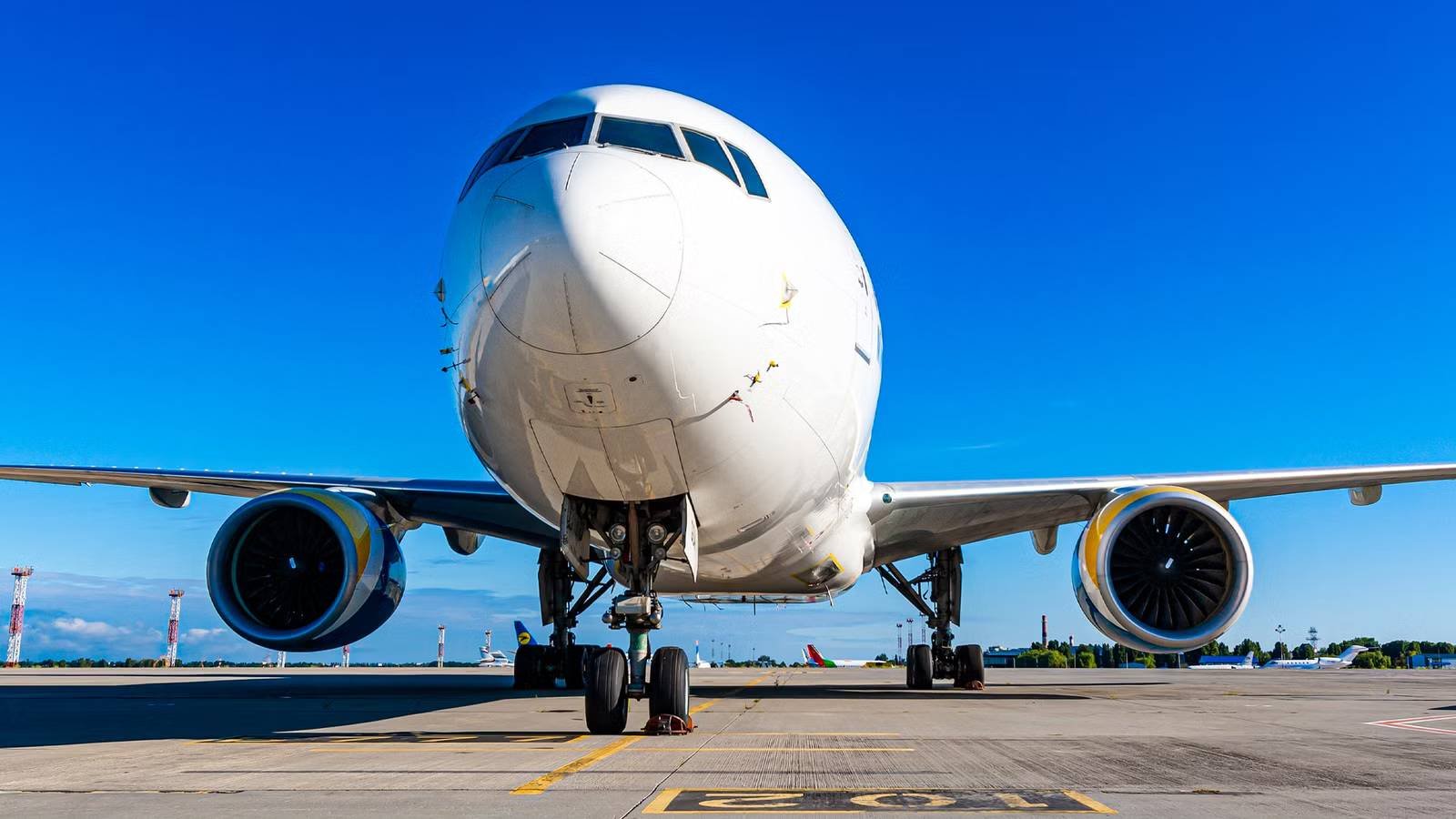
Thirty years after its entry into service, the Boeing 777 remains one of the most significant commercial aircraft ever produced. This widebody aircraft not only reshaped long-haul travel but also redefined airline economics in the modern era. First delivered in 1995, the twin-engine aircraft quickly established itself as a highly capable and efficient alternative to older three- and four-engine designs, offering airlines lower operating costs while maintaining long-range performance that allowed it to connect cities across continents with ease.
Over the decades, the 777 has evolved into a family of aircraft that has accumulated thousands of orders and deliveries, cementing its place as the best-selling long-haul widebody in aviation history. By 2026, cumulative orders have exceeded 2,400 aircraft – a remarkable achievement that reflects both sustained airline demand and the program’s ability to adapt to changing market conditions. Let’s take a closer look…
A Program Built For A New Era Of Long-Haul Travel

When  Boeing launched the 777 program in the early 1990s, the aviation industry was undergoing a fundamental shift. Airlines were moving away from large quad-engine aircraft such as the Boeing 747 and McDonnell Douglas DC-10 toward more efficient twin-engine jets that could fly long distances under ETOPS regulations. The 777 was designed specifically for this new landscape, offering a combination of range, capacity, and fuel efficiency that had not been seen before.
From the outset, Boeing took an innovative approach to development, working closely with airlines to tailor the aircraft to real-world operational needs. This collaborative process resulted in a jet that balanced passenger comfort with airline economics, featuring a wide cabin, advanced avionics, and powerful engines such as the General Electric GE90, which would become one of the most recognizable turbofan engines in aviation.
The aircraft’s early success was immediate, with major carriers placing significant orders even before its first flight. By the late 1990s, dozens of airlines had committed to the type, and the Boeing 777 quickly became a backbone of international fleets, replacing older widebodies and opening new long-haul routes that were previously uneconomical.

Why Didn’t Boeing Build The 777 With 4 Engines?
There was good reason behind Boeing’s decision to build the 777 with two engines.
The Rise Of The 777-300ER As A Market Leader

While the original Boeing 777-200 established the program’s credibility, the introduction of the Boeing 777-300ER truly transformed the aircraft into a dominant force in long-haul aviation. Entering service in the mid-2000s, the 777-300ER combined increased seating capacity with extended range, allowing airlines to operate high-density routes more efficiently than ever before.
The aircraft became particularly popular among major international carriers, with airlines such as  Emirates, Qatar Airways, and
  Singapore Airlines placing large orders that would define the long-haul market for years. The Boeing 777-300ER offered a compelling alternative to both the Boeing 747 and the Airbus A340, delivering comparable capacity with significantly lower fuel burn and maintenance costs.
At its peak, the Boeing 777-300ER was considered the flagship aircraft for many airlines, operating key routes between global hubs and serving as the backbone of intercontinental travel. Its reliability and versatility made it a favorite among operators, and its success played a crucial role in establishing the 777 as the best-selling widebody aircraft of all time. The latest data from ch-aviation shows that by far the largest operator of the 777-300ER today is Emirates, with a staggering 124 in its fleet. The world’s largest operators of the type are outlined in the table below:
|
Ranking |
Airline |
Boeing 777-300ER |
|---|---|---|
|
1 |
Emirates |
124 |
|
2 |
Qatar Airways |
57 |
|
3 |
Air France |
43 |
|
4 |
Cathay Pacific |
35 |
|
5 |
Saudia |
35 |
|
6 |
EVA Air |
34 |
|
7 |
Turkish Airlines |
33 |
|
8 |
Air China |
28 |
|
9 |
Korean Air |
25 |
|
10 |
Singapore Airlines |
22 |
Strong Order Book & Global Airline Adoption

One of the most telling indicators of the Boeing 777’s success is the breadth of its global customer base. Over the years, the aircraft has been ordered by airlines across every continent, from legacy carriers in North America and Europe to rapidly expanding airlines in the Middle East and Asia.
By 2026, total orders for the Boeing 777 program have surpassed 2,400 aircraft, with deliveries continuing at a steady pace despite fluctuations in the broader aviation market. The scale of these figures underscores the aircraft’s enduring appeal and its ability to remain relevant across multiple decades of airline operations.
Large orders from individual carriers such as Emirates, which alone has ordered hundreds of Boeing 777s, highlight the aircraft’s importance in supporting high-capacity, long-haul networks. Other airlines have relied on the 777 to expand their international reach, using its range and efficiency to connect distant city pairs and capture growing demand for global travel. Even as newer aircraft types have entered the market, the 777 has continued to attract orders, particularly in its freighter variant, which has become a critical asset for cargo operators around the world.

Which US Airlines Operate The Most Boeing 777s?
Two major US airlines currently operate the Boeing 777.
The Role Of The 777 Freighter In Sustaining Demand

While passenger variants of the Boeing 777 have dominated headlines, the freighter version has played an equally important role in the program’s long-term success. The Boeing 777F, introduced in the late 2000s, quickly became one of the most capable cargo aircraft available, offering a combination of payload capacity, range, and operating efficiency that appealed to logistics companies and cargo airlines.
In an era where global trade and e-commerce have driven increased demand for air cargo, the Boeing 777F has proven a valuable asset. Its ability to carry large volumes over long distances without refueling has made it a preferred choice for operators seeking to optimize their networks.
Recent orders for the Boeing 777F have helped sustain production as passenger demand fluctuated, particularly during periods of economic uncertainty and the COVID-19 pandemic. Even in recent years, Boeing has continued to secure new orders for the freighter variant, demonstrating its ongoing relevance in the cargo sector. This diversification into cargo has allowed the 777 program to remain resilient, ensuring that production lines continue to operate and that the aircraft remains a key component of Boeing’s commercial portfolio. The five largest operators of the 777F today are shown in the table below:
|
Ranking |
Airline |
Boeing 777F |
|---|---|---|
|
1 |
FedEx Express |
51 |
|
2 |
Qatar Airways |
28 |
|
3 |
AeroLogic |
22 |
|
4 |
China Southern Airlines |
19 |
|
5 |
China Cargo Airlines |
15 |
Transition To The 777X & Future Challenges

Shutterstock, Simple Flying
As the aviation industry looks toward the future, the Boeing 777 program is undergoing a significant transition with the development of the Boeing 777X, a next-generation variant designed to build on the success of its predecessors. Featuring new composite wings, advanced engines, and improved fuel efficiency, the 777X aims to carry the program forward into the coming decades.
However, the transition has not been without challenges. The Boeing 777X program has experienced a series of significant delays, driven by a complex mix of technical challenges, heightened regulatory scrutiny, and ongoing production setbacks that have collectively pushed its entry into service far beyond the originally anticipated 2020 timeframe and now closer to 2027. Certification progress has been notably slowed by stricter oversight from the US Federal Aviation Administration (FAA), particularly in the aftermath of earlier safety crises involving the Boeing 737 MAX, which has led to more rigorous testing and documentation requirements.
At the same time, engineering issues such as engine reliability concerns and structural defects identified during testing phases have required redesigns and further inspections, while global supply chain disruptions and workforce constraints have compounded the timeline and substantially increased overall program costs. Despite these setbacks, the aircraft remains a key part of Boeing’s long-term strategy, with major airlines maintaining significant orders.
The shift from the Boeing 777-300ER to the 777X also marks the end of an era, as production of the 777-300ER has wound down after years of dominance. This transition reflects broader changes in the industry, as airlines seek more efficient, technologically advanced aircraft to meet evolving environmental and economic requirements.

Inside The Boeing 777X’s Folding Wing Mechanism
Here’s how Boeing’s engineers have ensured the 777X’s iconic folding wingtips can operate safely and reliably.
Enduring Legacy In Commercial Aviation

The legacy of the Boeing 777 extends far beyond its impressive sales figures. The aircraft has fundamentally changed how airlines approach long-haul operations, enabling point-to-point travel on routes that were once the domain of larger, less efficient aircraft. Its introduction accelerated the decline of four-engine aircraft, proving that twin-engine aircraft could safely and economically operate ultra-long-haul flights. This shift has had a lasting impact on the industry, influencing the design of subsequent aircraft such as the Boeing 787 and Airbus A350.
The Boeing 777 has set new standards for passenger comfort and operational reliability, earning a reputation as one of the most dependable aircraft in commercial aviation. Its widespread adoption and continued use by airlines around the world are a testament to its enduring value. Three decades after its launch, the Boeing 777 remains not only a commercial success but also a symbol of innovation and adaptability in aviation, a program that has continually evolved to meet the needs of a changing industry while maintaining its position as the best-selling long-haul widebody aircraft in history.