dailynewsnblog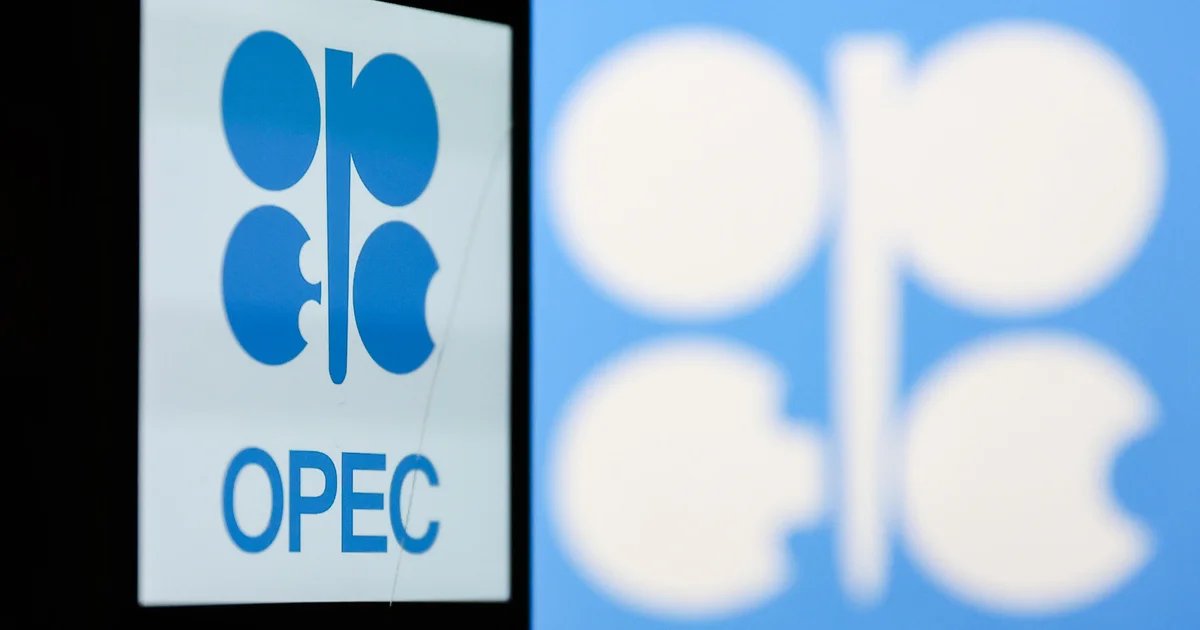
The United Arab Emirates said on Tuesday that it is leaving the OPEC oil cartel after more than 50 years of membership.
The UAE said its decision to exit OPEC followed an “extensive review” of its production policy and future capacity. The statement also cited “geopolitical fluctuations” affecting short-term oil supplies, a reference to the Iran war. The conflict has caused oil prices to surge as the Strait of Hormuz, through which roughly 20% of the world’s oil supply normally flows daily, remains blocked.
The UAE also said it is leaving the wider OPEC+ group, which is led by Russia.
“This decision reflects the UAE’s long-term strategic and economic vision and evolving energy profile, including accelerated investment in domestic energy production, and reinforces its commitment to a responsible, reliable, and forward-looking role in global energy markets,” the UAE said.
“Following its exit, the UAE will continue to act responsibly, bringing additional production to market in a gradual and measured manner, aligned with demand and market conditions,” the country added.
UAE eager to boost production
There has been speculation about whether the UAE would continue to participate in OPEC, given the country’s desire to increase oil production, according to Capital Economics.
“The bigger picture is that the UAE has been itching to pump more oil; it ultimately feels that being outside of its OPEC+ ‘obligations’ will give it more ‘flexibility’,” analysts with the investment advisory firm said in a report on Tuesday. “The UAE’s desire to pump more oil has been placated up to now by a combination of the rest of OPEC turning a blind eye to its overproduction and also raising its quota levels.”
The UAE first joined OPEC in 1967 through the Emirate of Abu Dhabi, and then continued after the establishment of the United Arab Emirates in 1971.
In recent years, however, the country has increasingly clashed with Saudi Arabia, OPEC’s largest producer, over political and economic issues in the Mideast.
“The UAE’s dissatisfaction with OPEC has been clear for some time, with the country of the belief that OPEC quotas are an unfair limit, constraining the nation’s major infrastructure investment projects,” Michael Brown, senior research strategist at Pepperstone, a brokerage firm, said in an email.