dailynewsnblog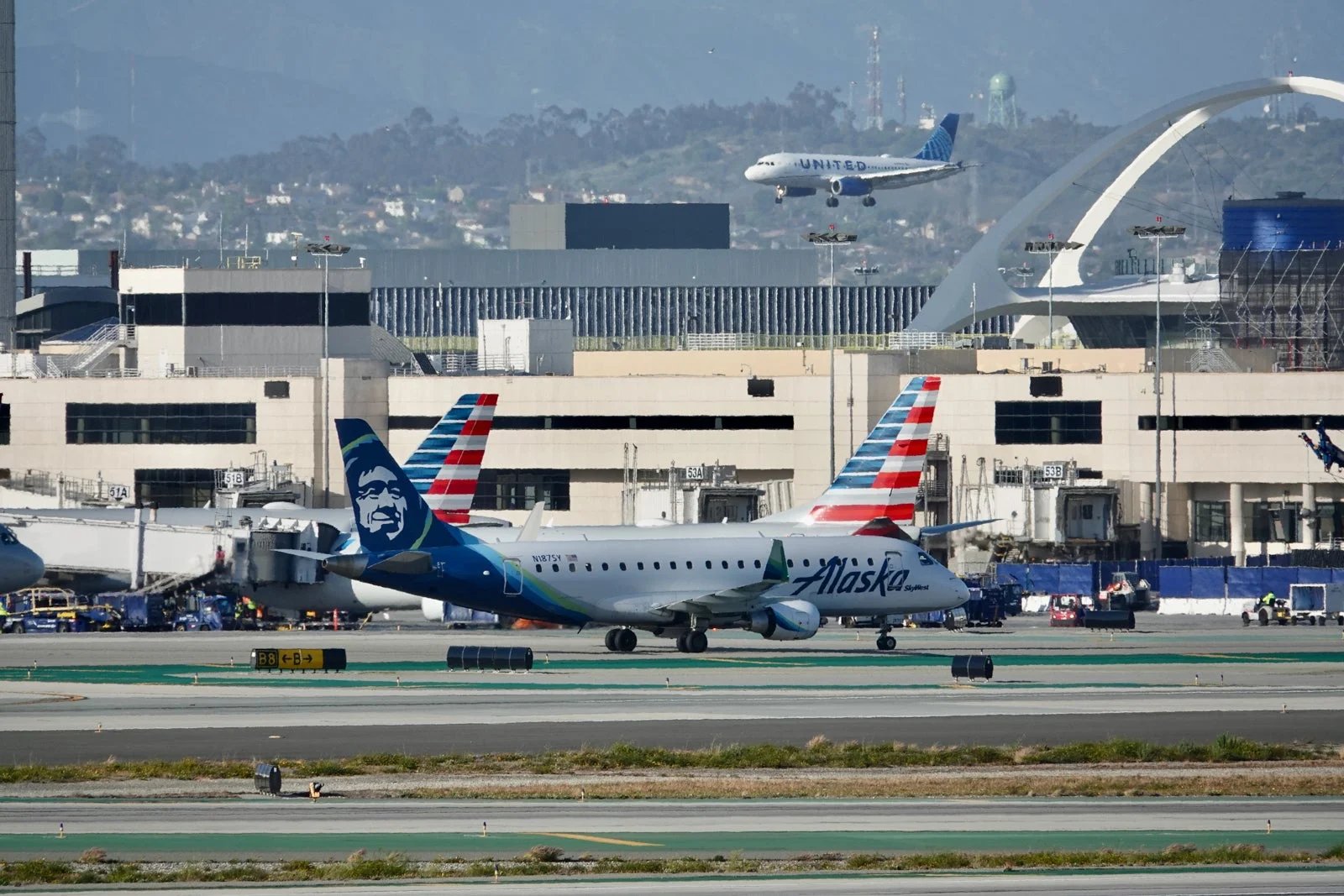
American Airlines CEO Robert Isom did little Thursday to diffuse talk of an expanded partnership with Alaska Airlines.
Isom, speaking to analysts and reporters a day after Bloomberg reported the airlines were discussing a deeper partnership, avoided commenting directly on the news but repeatedly said American was open to more partnerships.
“I know they’ve been fiercely independent,” he said of Alaska. “We look forward to doing more with Alaska going forward.”
More from TPG: Airlines are cutting routes in response to high fuel prices — here’s the latest
Isom added that American has a “great” relationship with the Seattle-based carrier.
He did not say what more they could do. Alaska and American currently have a codeshare and loyalty partnership where both airlines place their respective codes — “AS” for Alaska and “AA” for American — on some of the other’s flights. The loyalty pact provides AAdvantage and Atmos members reciprocal earning and redemption on the other airlines flights, as well as select elite benefits like complimentary upgrades.
Both Alaska and American are also members of the Oneworld alliance.
What a further expansion of the partnership could like look remains to be seen. It could take the form of a joint venture where Alaska and American remain separate, independent airlines but agree to coordinate on the scheduling and pricing of flights in certain markets. A JV could include revenue and cost sharing but they require antitrust approval from regulators. American has several international JVs, including with British Airways, Iberia, Japan Airlines and Qantas Airways.
Isom dispelled thoughts of a potential merger with Alaska, saying American was focused on itself but would be at the “forefront” of any partnership or asset acquisition opportunities that arise.

Reward your inbox with the TPG Daily newsletter
Join over 700,000 readers for breaking news, in-depth guides and exclusive deals from TPG’s experts
Alaska is completing its 2024 merger with Hawaiian Airlines. The latter successfully moved to the former’s reservations system, or passenger service system (PSS), on Wednesday in one of the last big passenger-facing integration hurdles.
High fuel prices are driving a surge in merger chatter among U.S. airlines. United Airlines CEO Scott Kirby has floated the idea of a merger with American to administration officials in Washington. JetBlue Airways is reportedly shopping itself around. And Spirit Airlines, still operating in bankruptcy, may be near securing a bailout from the Trump administration to keep flying — or at least buy time until it can sell itself.
Asked about a potential American-United merger, Isom described such a deal as “anti-competitive” and a poor outcome for both American and travelers broadly.
“We’re going to be roommates,” said Isom referring to Chicago O’Hare International Airport (ORD) where both American and United have hubs. “But we’re not getting married.”
The argument for a merger is that a larger airline with a stronger market position would more easily be able to weather high fuel prices. The last major round of industry consolidation occurred after fuel prices soared in 2008 with the combinations of Delta and Northwest Airlines, United and Continental Airlines, Southwest Airlines and AirTran Airways and, in 2013, American and US Airways.
“I anticipate higher fuel prices will cause much more significant structural reform than we’ve seen over this period,” said Ed Bastian, the CEO of Delta, earlier in April.
Some consolidation is already underway. Discounter Allegiant Air’s $1.5 billion takeover of Sun Country Airlines has secured both antitrust and Department of Transportation approval. The airlines hope to close the deal in May subject to shareholder approval.
Related reading: