dailynewsnblog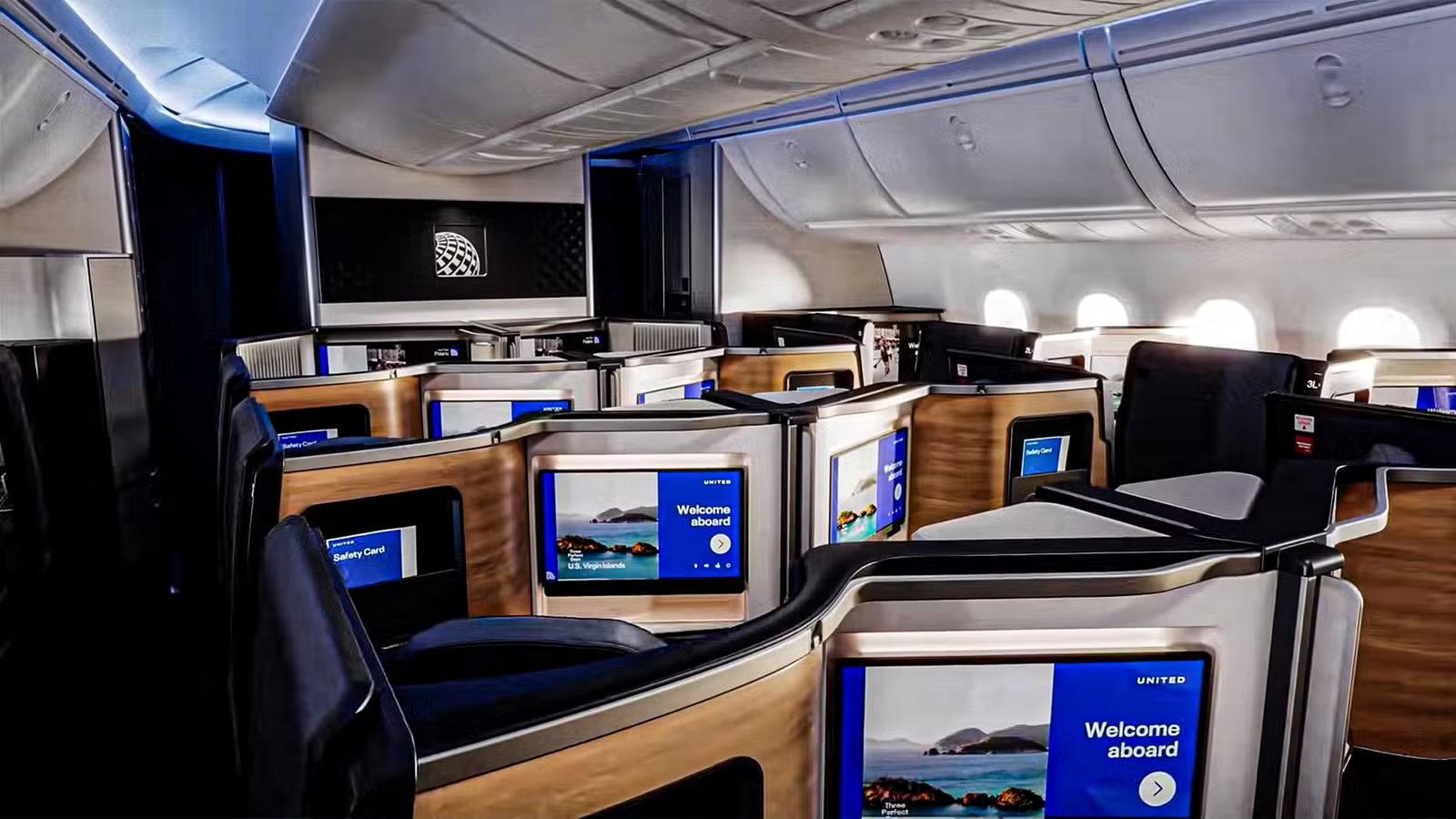
 United Airlines is ushering in a new era of unbundled premium travel with the launch of its Basic Polaris fare on transatlantic routes in early 2026. This product is designed to segment the business class market, offering a lower entry price for the lie-flat experience by stripping away traditionally bundled perks. This guide examines what flyers can expect from this fare, focusing on the trade-offs in ground service, seat selection, and flexibility as the airline rolls out the product on key seasonal routes.
The move toward a tiered business class structure, comprising Base, Standard, and Flexible options, reflects a broader industry trend toward ultra-segmentation and increased ancillary revenue. For United, it allows the carrier to capture price-sensitive business travelers who prioritize sleep over secondary luxuries like pre-flight dining. Premium revenue for the airline has grown by 11% in 2025, suggesting a strong appetite for varied luxury products across the Atlantic, and United is in a perfect position to capture far more market share than ever before here.
Aligning With Industry Trends

Perhaps the most significant change for passengers booking a Basic Polaris ticket is the restriction on ground-based lounge access. A standard business class ticket once granted entry to the exclusive Polaris Lounges, and now, the new Base fare downgrades the ground experience to the standard United Club. What this change means is that the airline’s most premium spaces remain less crowded for higher-yielding passengers who pay for Standard or Flexible tickets. By implementing this tier, United joins a growing list of global carriers that no longer consider elite lounge access a default feature of every business class seat.
The difference between these two facilities is substantial, particularly at major hubs like  Newark Liberty International Airport (EWR) or
  Chicago O’Hare International Airport(ORD). A Polaris Lounge offers a sit-down dining room, private daybeds, and high-end shower suites, providing a sanctuary before a long-haul flight across the Atlantic. In contrast, the United Club, while functional, typically offers a buffet-style food selection and a more communal atmosphere that can become quite busy during peak departure windows. For a traveler flying from Newark to London or the new seasonal route to Glasgow, this trade-off means sacrificing a gourmet pre-flight meal for more basic amenities. The base fare still offers a quiet place to work, but the restaurant-quality dining that defined the Polaris brand is now excluded from the entry-level price.
This restriction aligns with a broader policy change implemented in April 2026, where United also trimmed Polaris Lounge access for certain  Star Alliancepartners. By narrowing the gate, the carrier is addressing long-standing complaints about lounge overcrowding that have plagued the product since its inception. Travelers on the Base fare will still have access to the airline’s expanded network of United Clubs, which have recently seen their own upgrades in food and beverage quality. However, for those seeking the full ground-to-air luxury experience, the highest tier of service is now hidden behind a price tag that includes more than just a lie-flat bed.
Stripping Away The Luxuries

One of the most disruptive aspects of the Basic Polaris fare is the introduction of paid seat selection within the business class cabin. A premium ticket previously allowed travelers to select any available seat at the time of booking without incurring additional costs. Under the new Basic tier, however, passengers are not granted a complimentary seat assignment until check-in, or they must pay a substantial fee to secure a specific spot in the cabin. This change represents a total flip in the premium value proposition, where the location of one’s lie-flat bed is no longer a guaranteed right but a billable luxury.
Across the Atlantic, this means that those who opt for the lowest price point may find themselves assigned to less desirable middle seats or locations near high-traffic areas like the galley or lavatories. Every seat in the Polaris cabin offers direct aisle access, but the level of privacy varies significantly between the forward-facing and angled seats. Passengers wishing to avoid the uncertainty of a lottery assignment at the 24-hour check-in window may find themselves paying anywhere from $100 to $300 extra per segment to guarantee a window seat on a transatlantic route. This monetization of seat geography allows United to lower the headline fare while simultaneously encouraging travelers to buy up to the Standard fare to regain their peace of mind.
|
Feature |
Basic Polaris (Base) |
Standard Polaris |
|
Seat Selection |
Paid or at Check-in |
Included at booking |
|
Lounge Access |
United Club Only |
United Polaris Lounge |
|
Checked Baggage |
One bag |
Two bags |
|
Refundability |
Non-refundable |
Refundable (fee may apply) |
|
Upgrades |
Not eligible |
Eligible for Mileage/PlusPoints |
|
PQP Accrual |
Reduced (50%) |
Full (100%) |
Unbundling of seat selection in this way mirrors the evolution of basic economy over the last decade, proving that no cabin is immune to the pressures of algorithmic pricing. Stripping away free seat selection, United is creating a hidden cost for those who value specific cabin configurations, such as the honeymoon seats for couples or the more private window pods for solo business travelers. As the airline increasingly utilizes the Boeing 767-300ER and the Boeing 787 on its diverse European network, the variance in seat quality makes the lack of a free assignment a significant tactical hurdle for the discerning traveler.

You’ve Heard Of Basic Economy, But Basic Business? It Could Be Coming To United
Here’s why unbundled business class fares are coming to United and other airlines.
Better Be Good At Packing

A business class ticket across the Atlantic was generally synonymous with a generous baggage allowance, typically permitting two checked suitcases at no additional cost. The introduction of the Basic Polaris product disrupts this standard by capping the complimentary allowance at just one checked bag. The weight limit for this single bag remains a substantial 70 lbs (31.7 kg), useful for those ‘bleisure’ travelers that make up a decent percentage of the Polaris customer base. Despite this, the reduction in volume forces long-haul travelers to make difficult packing decisions, especially those heading on multi-week European tours or business trips that require a diverse wardrobe.
The policy shift is particularly impactful for the new 2026 destinations, such as Faro or Madeira, where recreational gear or formal attire for Mediterranean cruises often necessitates extra space. Under the Standard Polaris fee, a passenger could easily distribute weight across two pieces of luggage, but the Base flyer must now consolidate or pay an excess baggage fee. For many, the savings of the Base fare are quickly negated if travel needs require that second suitcase, turning a seemingly cheaper ticket into a logistical and financial headache at the check-in counter.
Despite the restriction on checked items, United has fortunately maintained the standard Polaris boarding priority for Base ticket holders. These passengers still board in Group 1, ensuring they have first access to the overhead bins for their carry-on luggage. This is a critical distinction from the domestic basic economy product, which often restricts carry-on bags and relegates flyers to the final boarding group. However, the loss of the yellow tag that ensures your suitcase is among the first on the carousel means that while you may board early, you could be waiting significantly longer at the luggage belt.
Competitors Following Along

The introduction of Basic Polaris is not an isolated experiment by any means, and is being replicated by United’s closest rivals.  Delta Air Lines and United Airlines have matched each other’s premium cabin innovations, from all-aisle-access suites to high-end bedding. Now, the competition has shifted toward who can most effectively deconstruct the business class ticket. United was the first to market in April 2026, but now, Delta has already confirmed its intent to roll out a Business Basic product by the end of the year, which inevitably means that the era of the all-inclusive transatlantic business class ticket is rapidly coming to an end.
Delta’s upcoming response is heavily influenced by the success of its Comfort Basic product, which was quietly introduced in late 2024 to unbundle its extra-legroom economy cabin. By offering the same Comfort+ seat at a lower price point while stripping away early boarding and seat selection, Delta proved that passengers are willing to trade perks for a lower headline price. It proved so much of a success for Delta that it is now being pushed up into the Delta One cabin. Industry analysts expect Delta’s version of unbundled business class to be even more restrictive than United’s, potentially requiring a 48-hour wait for seat assignments and offering zero flexibility for flight changes, even for a fee.
This retail-style approach to pricing allows both airlines to compete more aggressively with European serial unbundlers like Finnair, who have successfully operated business light fares for several years. Offering a stripped-down premium seat, United and Delta can market lower ‘starting from’ prices on competitive routes like New York to  London Heathrow, luring travelers away from low-cost long-haul competitors.

Delta Unbundles Premium: ‘Basic’ Business And First Class Fares Coming In 2026
Delta Air Lines will launch Basic Business and First Class fares in 2026, unbundling premium travel as fare segmentation expands across cabins.
Effects On United’s Most Loyal Passengers

For MileagePlus members, the most complex aspect of a Basic Polaris ticket is its impact on elite status qualification. While the ticket still generates Premier Qualifying Points (PQP) based on the base fare and carrier-imposed surcharges, it notably excludes the accrual of Premier Qualifying Flights (PQF). This means that while a high-priced last-minute ticket might help reach the spend threshold for Premier Gold, the segment itself will not count toward the number of flights required to secure that status for the following year.
Starting in April 2026, United Airlines shifted to a revenue-heavy model that further penalizes those booking at the entry-level price point. For instance, a General member without a co-branded credit card now earns just three miles per dollar on these fares, compared to six miles on a Standard Polaris ticket. Translated on a $3,500 round-trip to Paris, choosing the Basic tier could result in a loss of over 10,000 redeemable miles, increasing the true cost of the flight when the value of future award travel is considered.
The 2026 program overhaul also introduced a ‘cardmember advantage’ where those with a United Club or Quest card can mitigate some of these losses, but for the average traveler, the Basic Polaris fare represents a clear ceiling on their upward mobility within the MileagePlus ecosystem. As airlines increasingly prioritize wallet share over seat share, the decision to save a few hundred dollars today can have long-lasting consequences for one’s travel comfort in the years to come.
Ready For European Summer

The timing of the Basic Polaris rollout coincides with United Airlines’ most ambitious transatlantic expansion to date, specifically targeting secondary European markets in summer 2026. Destinations like Split, Croatia, and Bari, Italy, both launching in early May 2026, are prime candidates for this unbundled product. On these routes, the Boeing 767-300ER provides a substantial 46-seat Polaris cabin, and the Basic fare allows the carrier to fill those seats with luxury-seeking vacationers who might otherwise choose a lower cabin class.
For those heading to the capital of the Galicia region, Santiago de Compostela, or the rugged landscapes of Glasgow, the Basic Polaris option offers a strategic middle ground. Since United will be the only US carrier offering nonstop service to these cities from Newark, it holds a significant competitive advantage. However, because the flights to Glasgow and Santiago de Compostela are operated by the Boeing 737 MAX 8, the premium experience is inherently more intimate.
The future of transatlantic flight is one of choice. You can choose to pay for the full, end-to-end luxury experience, or you can choose to simply pay for the sleep. As 2026 progresses, the success of this new tier will likely determine if the unbundled business class becomes the new global standard or remains a unique quirk of the competitive North Atlantic market.

![Up To 9-Hour Nonstop Flights: Air Canada’s 10 Longest A321XLR Routes [New List]](https://dailynewsnblog.com/wp-content/uploads/2026/04/1776961538_simpleflying-airbus-a321xlr-air-canada-1776085348308.jpg)