dailynewsnblog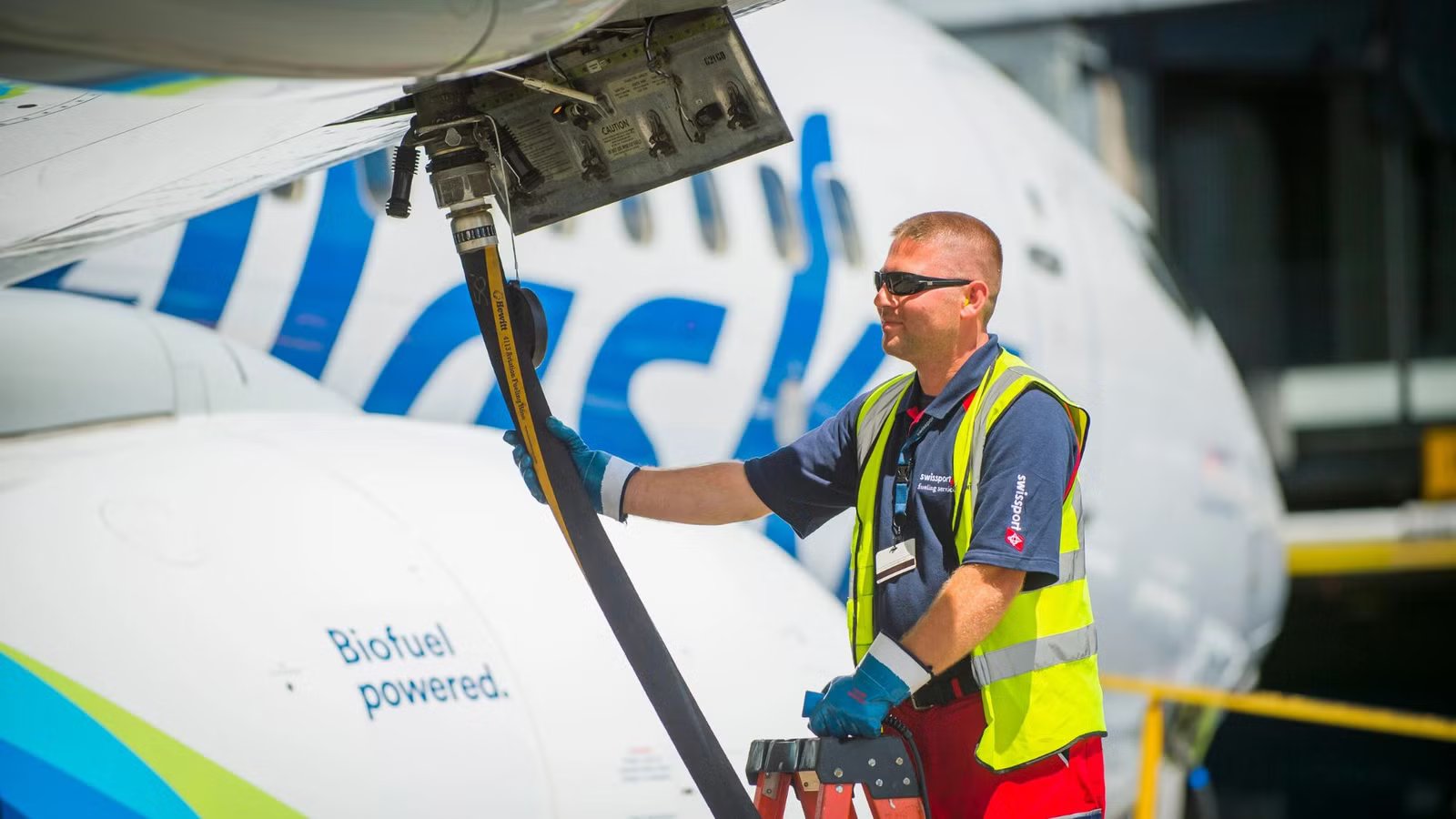
 Alaska Airlines has introduced a limited-time initiative allowing travelers to enhance their loyalty status by financially supporting sustainable aviation fuel (SAF). The program is available through the airline’s dedicated SAF platform and is aimed at members of its Mileage Plan program. Running throughout April as part of Earth Month, the offer gives participants elite-qualifying miles in exchange for contributions. The goal is to encourage customer involvement in lowering aviation emissions while rewarding engagement.
Sustainable aviation fuel is considered a crucial pathway for reducing the industry’s carbon footprint, though production remains scarce and expensive. Airlines have been experimenting with ways to fund SAF expansion, including partnerships and voluntary contributions. Alaska’s latest move builds on these efforts by directly linking environmental action with loyalty incentives. It signals a broader shift toward integrating sustainability into customer-facing programs.
Alaska Airlines Links Loyalty Rewards To Sustainable Aviation Fuel Contributions

Through the initiative, passengers can contribute funds toward the airline’s SAF purchases using an online platform. In return, they receive elite-qualifying miles that count toward Mileage Plan status tiers. The structure allows customers to progress within the loyalty program without necessarily increasing flight activity. As a result, the airline is combining sustainability funding with a tangible customer benefit.
This approach addresses two challenges simultaneously: the high cost of SAF and the need to engage customers in sustainability efforts. By offering status-related incentives, the airline may attract both frequent flyers and environmentally conscious travelers. It also provides an alternative pathway to earn status, which could appeal to those flying less frequently. The model could serve as a test case for how airlines incentivize greener behavior. Details on Alaska Airlines’ website say:
“For a limited time, Atmos™ Rewards members can earn 3 status points for every $1 spent on any combination of SAF contributions through Alaska Airlines or Hawaiian Airlines between March 23, 2026 and April 30, 2026. Members can earn up to a maximum of 10,000 status points on any combination of SAF contributions through Alaska Airlines or Hawaiian Airlines between January 1, 2026 and December 31, 2026.”
Passengers Can Earn Elite Status Credits Through SAF Support During Earth Month

Wikimedia Commons
SAF is derived from renewable or waste-based feedstocks and can significantly cut lifecycle emissions compared to conventional jet fuel. Despite its benefits, supply is still limited, representing only a small share of global aviation fuel usage. Airlines have been seeking ways to stimulate demand and investment in production. Customer contribution programs like this one are becoming an increasingly visible part of that strategy.
Several airlines have launched SAF-related initiatives, often focused on corporate travel partnerships. Alaska’s decision to incorporate its frequent flyer base broadens the reach of such programs. By connecting sustainability with loyalty rewards, the airline may influence how competitors structure similar initiatives. This could mark a shift toward more consumer-driven climate action in aviation.
The airline has previously outlined long-term environmental targets, including achieving net-zero emissions by 2040. Efforts include fleet renewal, operational efficiencies, and increased SAF usage. Programs that involve passengers directly add another dimension to these goals. They also help raise awareness about the role travelers can play in reducing aviation emissions.

The Future Of Aviation? Why Rolls-Royce Filed A Patent For A Hydrogen Engine System
Hydrogen could have a big role to play in the future of aviation.
Airline Blends Sustainability Goals With Frequent Flyer Incentives

The concept of linking sustainability contributions to customer rewards is expanding across multiple industries, including logistics and hospitality. Within aviation, SAF remains one of the most viable near-term solutions for emissions reduction. Campaigns tied to events like Earth Month can help boost participation and awareness. Alaska’s initiative highlights how time-limited offers can drive engagement.
Future developments may see SAF contributions integrated directly into the flight booking process, making participation more seamless. As production capacity increases, airlines could expand these programs beyond promotional periods. Regulatory frameworks and incentives may also accelerate SAF adoption globally. The combination of policy support and customer engagement will likely shape the next phase of aviation sustainability.
While relatively small in scale, initiatives like this demonstrate how airlines can involve passengers in climate-focused efforts. By pairing environmental contributions with loyalty benefits, Alaska Airlines is experimenting with a model that could become more widespread across the industry.