dailynewsnblog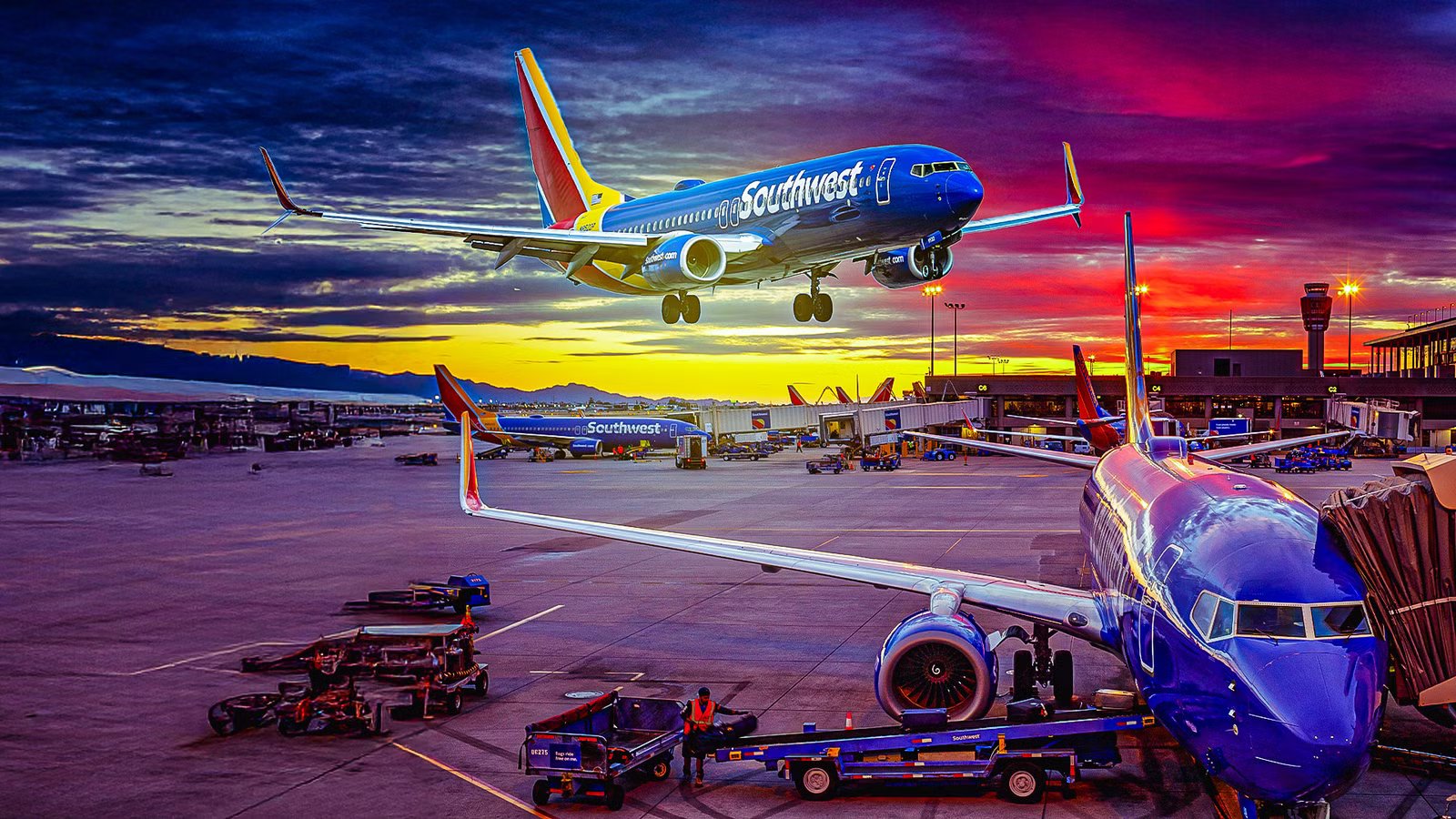
 Southwest Airlines has been making major changes to its business model and company model for more than a year now. Ending the ‘Bags Fly Free’ policy and switching from open seating to assigned seats have been two of the most noteworthy and controversial moves to date, but the airline CEO is planning to make even more radical departures from the brand identity.
The Elliott Investment Group, which is the activist investor backing SWA, is largely responsible for driving the transformational plan at Southwest. It reduced its stake from 16% to 9% this year, and two directors resigned in February, with the group expected to have less influence going forward. However, CEO Bob Jordan plans to continue the trajectory that Southwest is on, even considering adding lounges and a premium cabin airfare.
The End Of America’s Affordable Airline: The New Southwest Airlines

Industry analysts, long-time customers, and other critics have been polarized in opinions on the changes at Southwest, with some renouncing the carrier as conforming to the industry norms and becoming no different from the other legacy carriers that it competes with. Jordan has argued that while the business model of the airline must change in order for it to achieve profit targets, the company will retain its core values and culture with no change to the way customers can be expected to be treated.
While investors have cheered the financial results, longtime loyalists are pushing back against the loss of the airline’s unique brand. Displaying a marketing campaign that tried to portray the previous open seating system as chaotic, many flyers and critics have said that the new eight-group boarding process is far more frenzied and disorganized than ever before. Additionally, new features like Starlink WiFi have only been offered to loyalty members.
Flying Magazine quoted SWA CEO Jordan saying the airline is “not done” shaking up its business, going on to say:
“We’re going to keep making product changes because we want to, over time, give you fewer and fewer and fewer reasons to have to go to a competitor.”
Southwest’s New Target Demographic: Shareholder Value

The addition of airport lounges and the conversion of one-third of the cabin to premium seating are key levers in Southwest Airlines’ strategy to quadruple its profitability by the end of 2026. Jordan says that the airfares on SWA are 20% lower than Legacy carriers like American, United, or  Delta Air Lines of the ‘Big Three.’ Yet, critics argue that Southwest’s transformation is a pivot toward shareholder-driven extraction rather than genuine customer improvement.
While claiming to prioritize hospitality, the airline cut 1,750 corporate roles, including 15% of leadership, to save $300 million annually, returning $2.9 billion to shareholders through buybacks and dividends in the same period. In the 4th quarter of 2025, SWA recorded record quarterly profits and full-year revenues of $7.4 billion and $28.1 billion, respectively.
Southwest’s stock surged 27% in early 2026, significantly outperforming the broader market. Management projects 2026 adjusted earnings per share of at least $4.00, a massive jump from the $0.93 achieved in 2025. After successfully forcing these changes, Elliott Investment Management began selling off its stake in early 2026. The airline projects a 9.5% increase in revenue per available seat mile thanks to the new fees and premium seating. Jordan has set a goal of a return on invested capital of over 15% by 2027.

Lounges & Widebodies? Southwest Airlines At “Beginning” Stages Of Potential Long-Haul Strategy
Here’s the latest in a long series of changes aimed at transforming Southwest into an entirely new, more profitable airline.
The Results Of Board Room Calculus For Flyers In The Air

The airline’s leadership maintains that these shifts are responsive to modern traveler preferences, though critics argue the framing is intentionally misleading. Inside the cabin, travelers reported being denied the ability to switch seats on half-empty flights due to claims of weight and balance concerns, which some describe as a convenient excuse to strictly enforce new paid-tier seating.
Southwest claims that 80% of customers preferred assigned seating, yet travelers in online communities have challenged these figures, noting a lack of transparency in the airline’s polling methods and sample sizes. Assigned seating, previously touted as a “fairness” feature of Southwest’s identity, is now explicitly used to “segment demand and monetize the cabin” through tiered pricing for the same physical space.